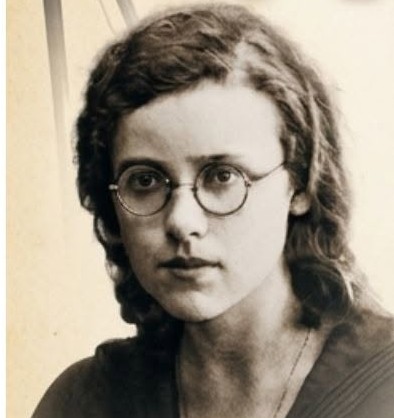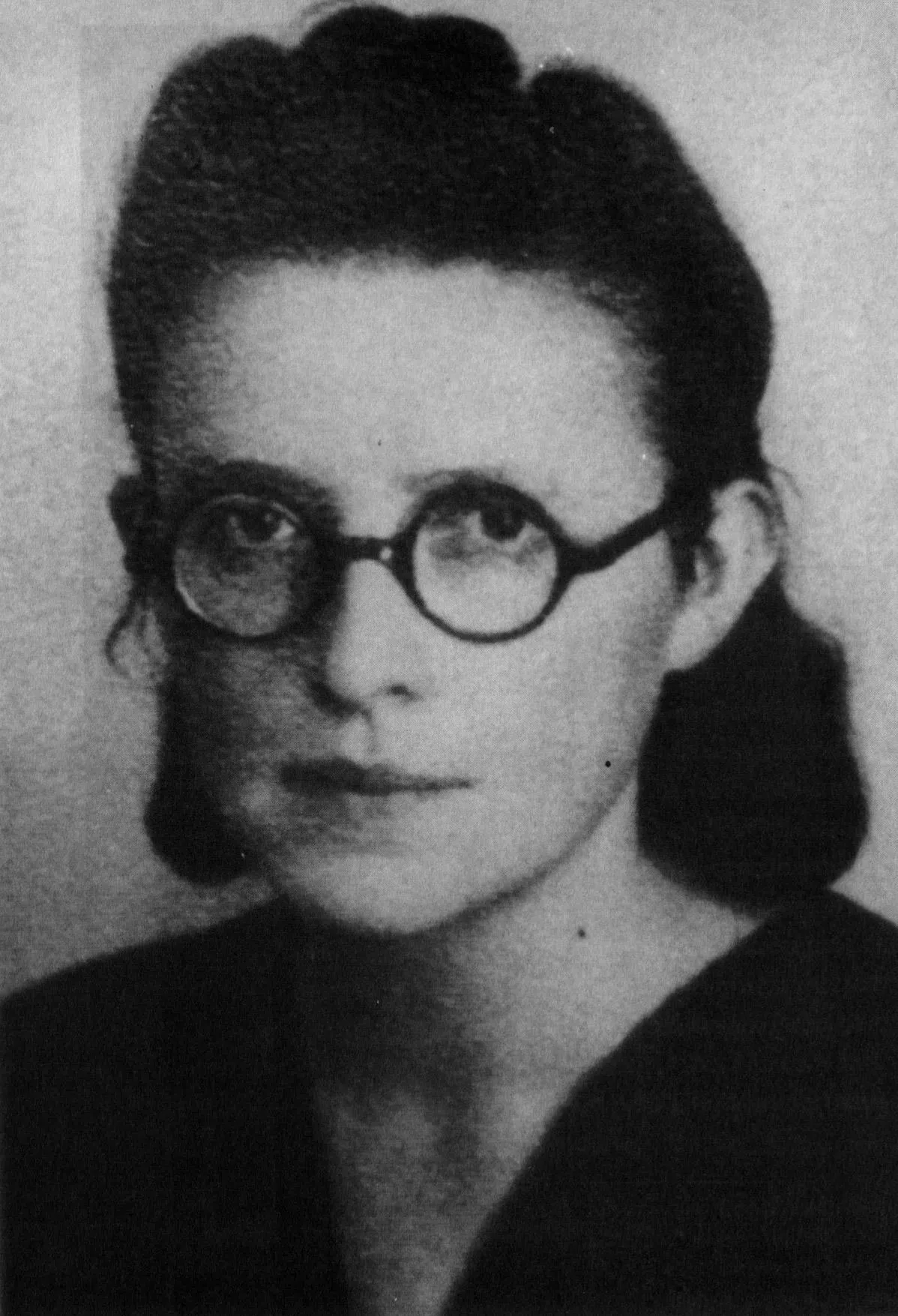
Stefania Łącka (1914–1946)
Journalist and Catholic activist from Wola Żelichowska (parish Gręboszów). A prisoner of Auschwitz-Birkenau, called by her fellow prisoners "the earthly guardian angel". She died on 7 November 1946 in Kraków; buried in Gręboszów. Her beatification process is underway.
Stefania Łącka was born on January 6, 1914 in Wola Żelichowska in the Tarnów region, in the parish of Gręboszów. She came from a peasant family — the daughter of Agnieszka and Antoni Łącki. Brought up in a deeply religious home, she was involved in the life of the parish from an early age: she belonged to the Marian Sodality and the Catholic Association of Female Youth.
She started her education at a school in her hometown, and completed the next grades in Gręboszów. In 1928 she entered the Blessed Kinga Private Women's Teachers' Seminary in Tarnów, was active in scouting and edited the school monthly "Złota Nić". She passed her matriculation exam in 1933.
Journalism and conspiracy
In the years 1934–1939 she worked in the editorial office of the diocesan magazine "Our Case", being responsible for the children's supplement "Króluj nam Chryste". She has written a total of over 700 articles. After the outbreak of World War II, the editorial office became involved in underground publishing activities; Stefania also worked in a printing house.
On April 16, 1941, she was arrested by the Gestapo and imprisoned in Tarnów. After a year, she was deported to the KL Auschwitz concentration camp, and then to the women's sector in Birkenau. She was given the camp number 6886.
Auschwitz-Birkenau
In the camp, she distinguished herself with heroism towards her fellow prisoners. She worked in the camp hospital as a nurse, baptized newborns, watched over the dying and encouraged them to pray together. She knew German — as a camp writer she helped write letters, and as a secretary of the block, she rescued sick women during selection, crossing them off death lists or swapping numbers.
During the decimation after the prisoner's escape, she declared her readiness to go to her death for Helena Panek: "Don't worry, Helena, if they read your number, I'll step out of line — you're healthy and you should survive." Her fellow prisoners called her "earthly guardian angel" and "a heart in a striped jacket".
After the war
After the evacuation of the camp in January 1945. Stefania returned to her family home in Wola Żelichowska. She began studying Polish studies at the Jagiellonian University in Krakow, but her health, destroyed by camp conditions and illnesses, quickly deteriorated.
She died on 7 November 1946 in a hospital in Krakow, at the age of 33. Four days later, she was buried in the parish cemetery in Gręboszów.
Memory and beatification
Stefania Łącka is today a symbol of civil patriotism — sacrifice, solidarity and spiritual resistance to totalitarianism. Her character combines the history of the Gręboszów community with the drama of concentration camps and the light of Christian love of neighbor.
In 2020, the Bishop of Tarnów, Andrzej Jeż, announced an edict on the initiation of the beatification process of Stefania Łącka. In the project "Steadfast from Gręboszowa", a film etude about her civil martyrdom is being created — after the premiere of the workshop, the material will appear in the multimedia section of this profile.