item
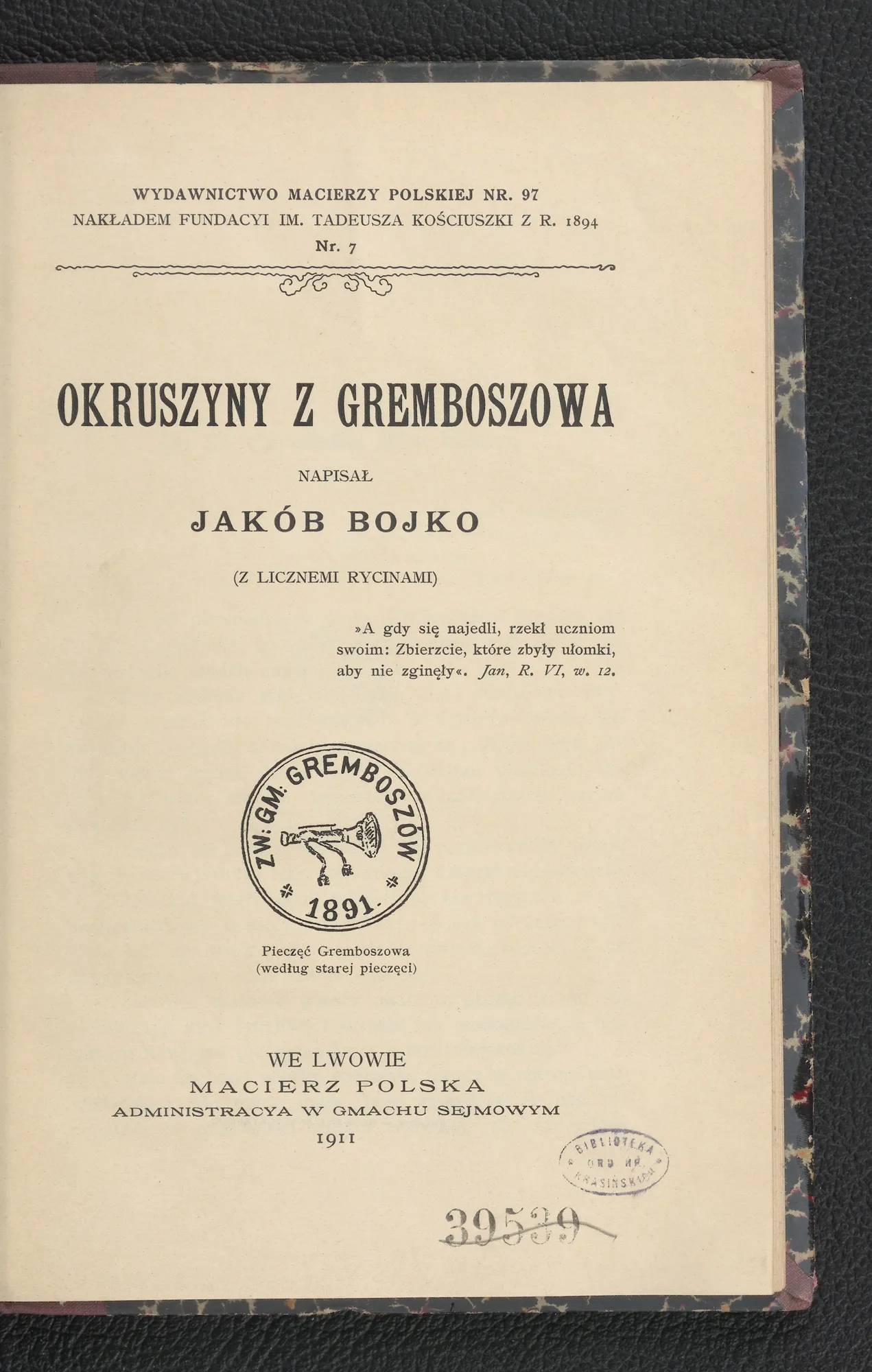
Crumbs from Gremboszów (1911)
Added to the collection:
Jakub Bojko's monograph — from the Nieczuja family (1287) through the church, school and village mayors to rural everyday life, rituals and the cemetery.
Crumbs from Gremboszów is one of the most important local monographs — it was written by Jakub Bojko (1857–1943), a self-taught peasant, long-time village mayor and future member of the Galician Parliament. The book was published in Lviv in 1911 (Wydawnictwo Macierzy Polskiej, published by the Tadeusz Kościuszko Foundation) and has about 109 pages with numerous engravings. In the preface, the author explains that he wanted to collect "crumbs" of the disappearing memory of the village — with the support of m.in. Prof. Franciszek Bujak.
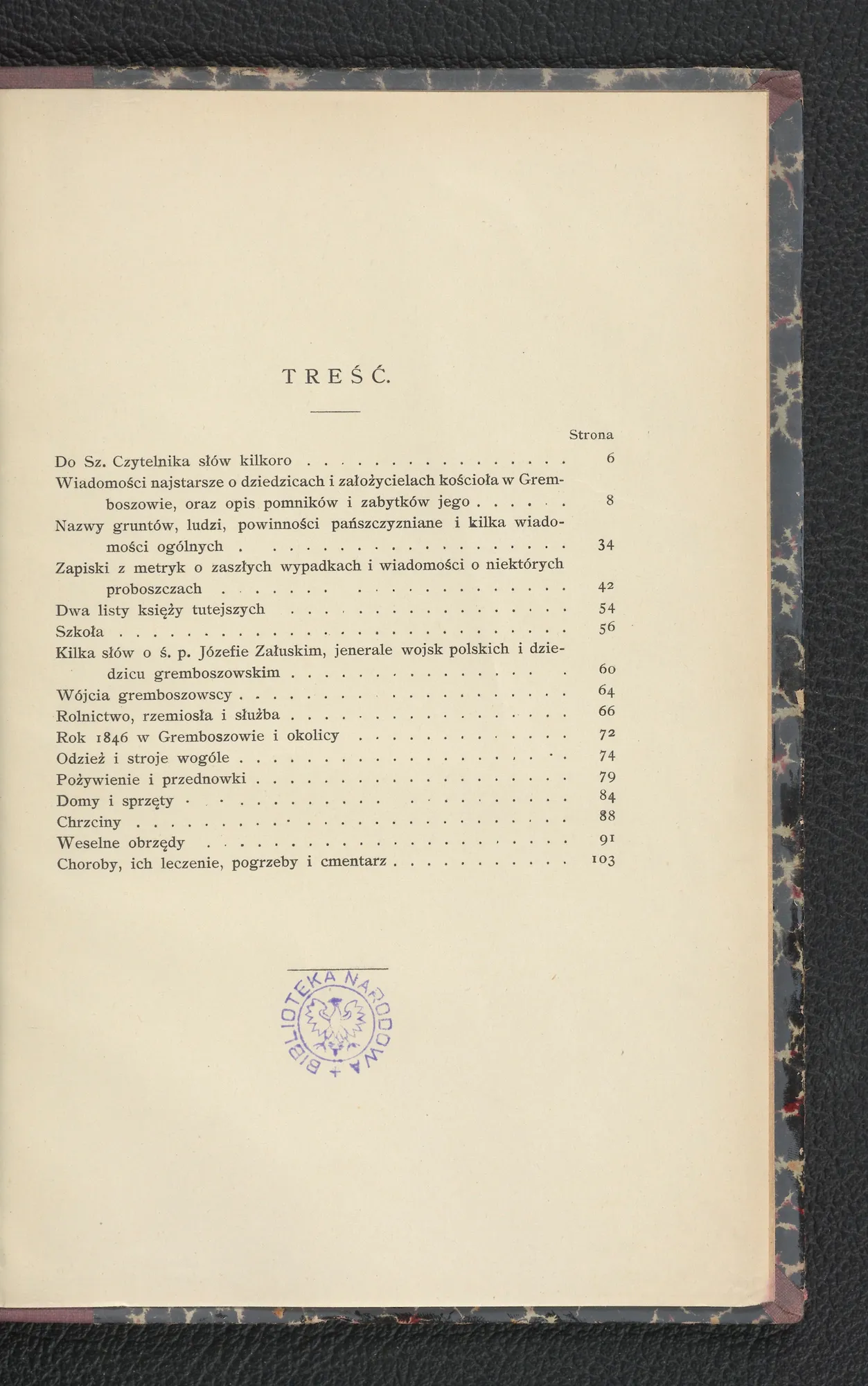
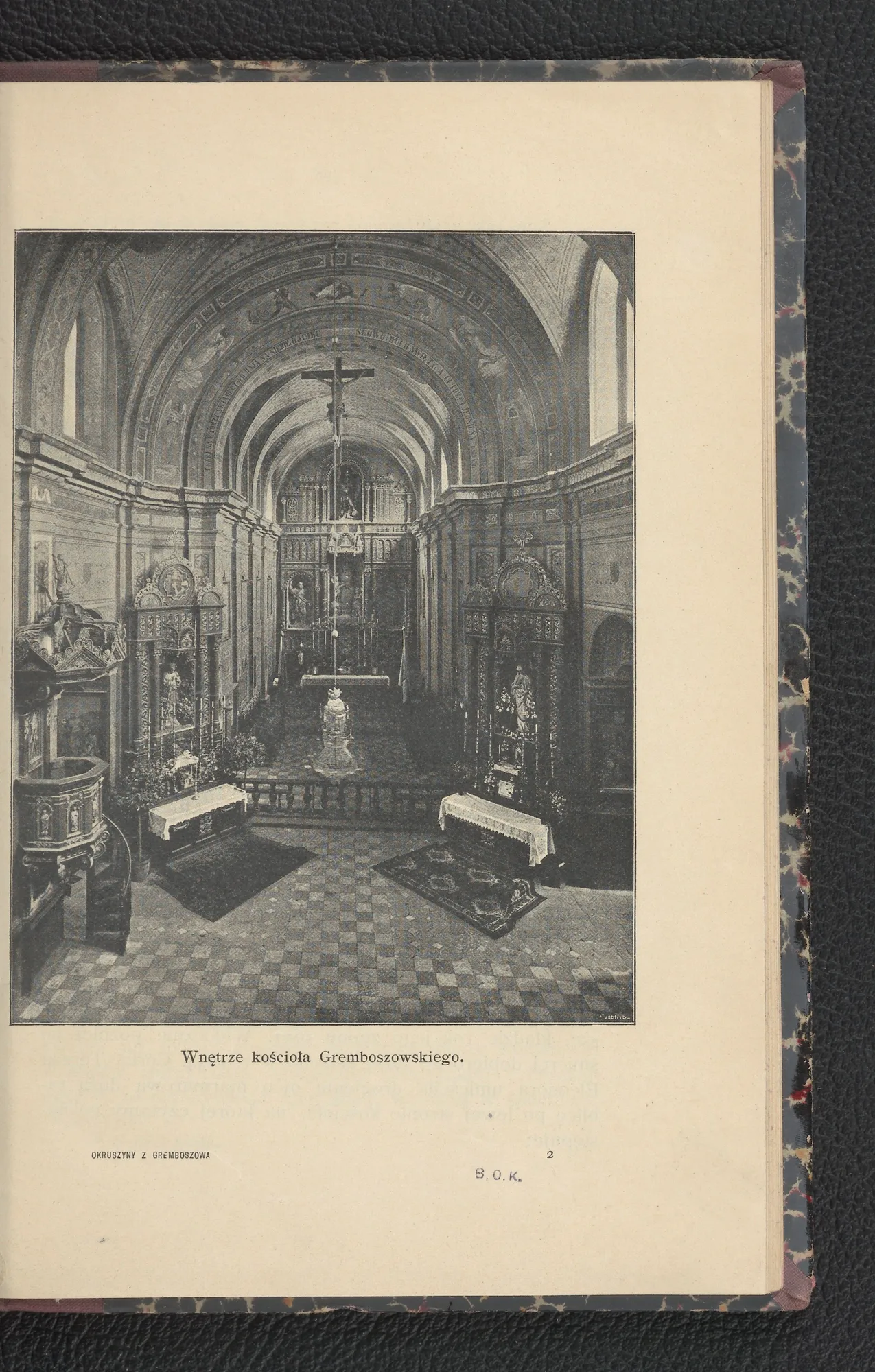
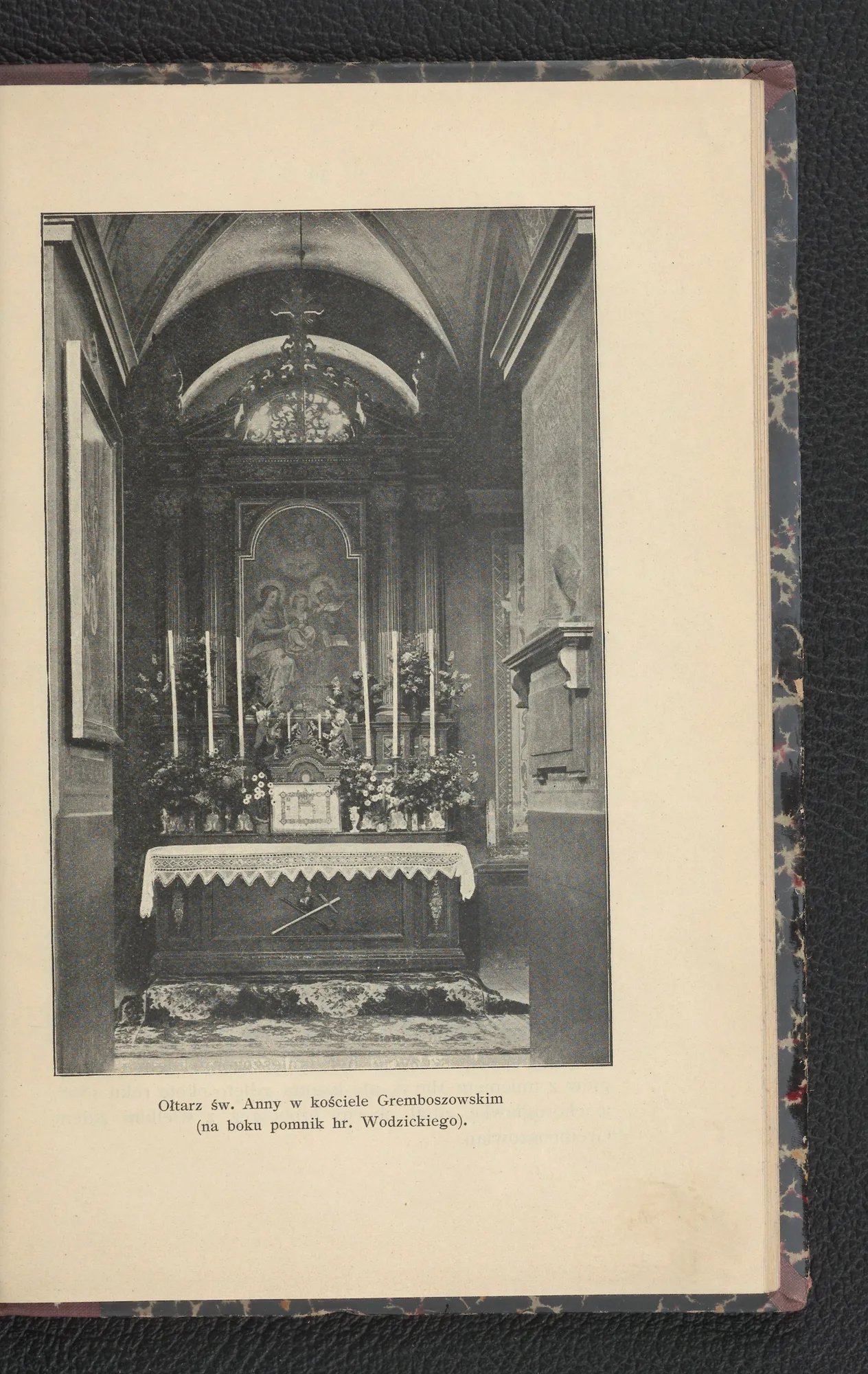
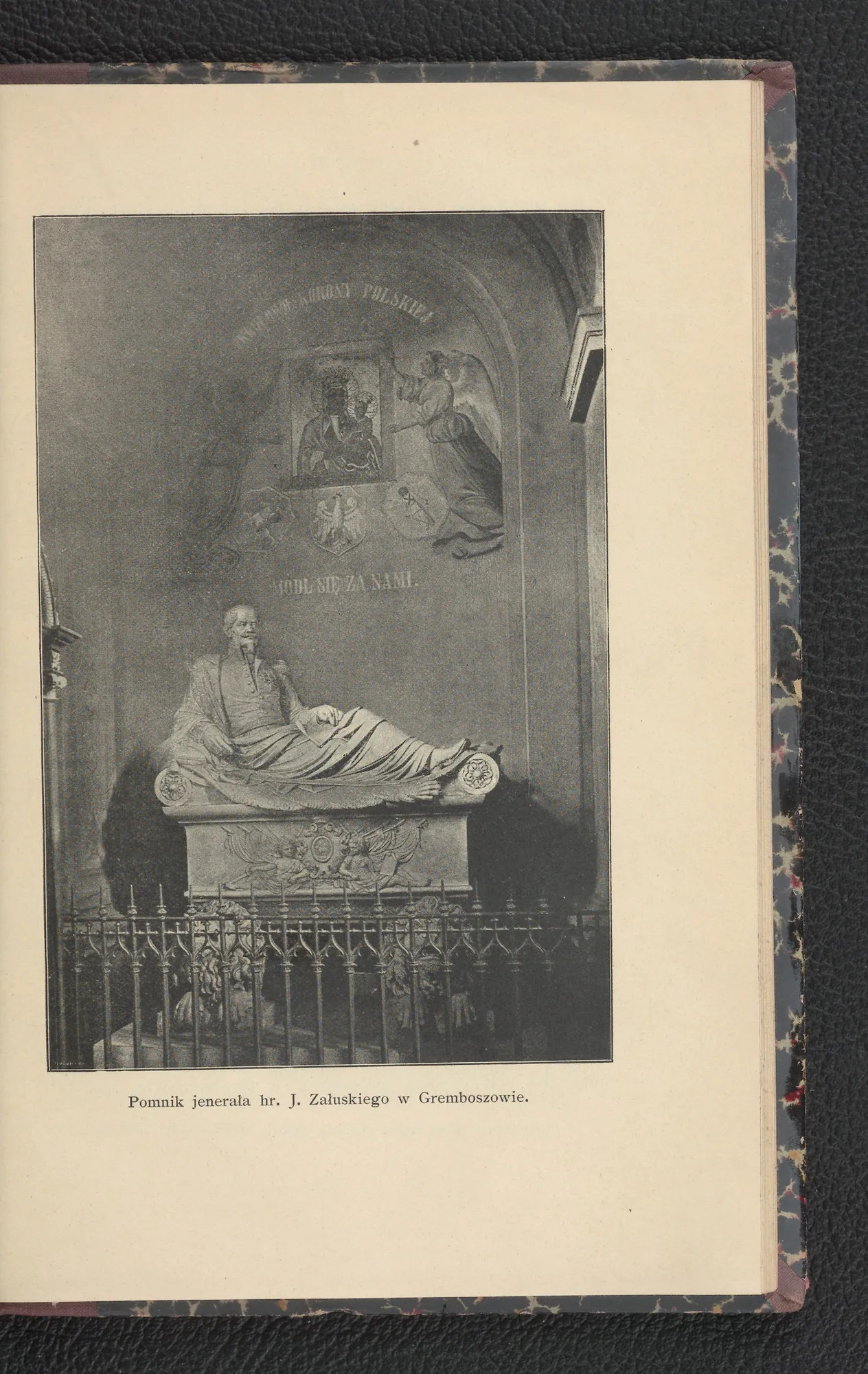
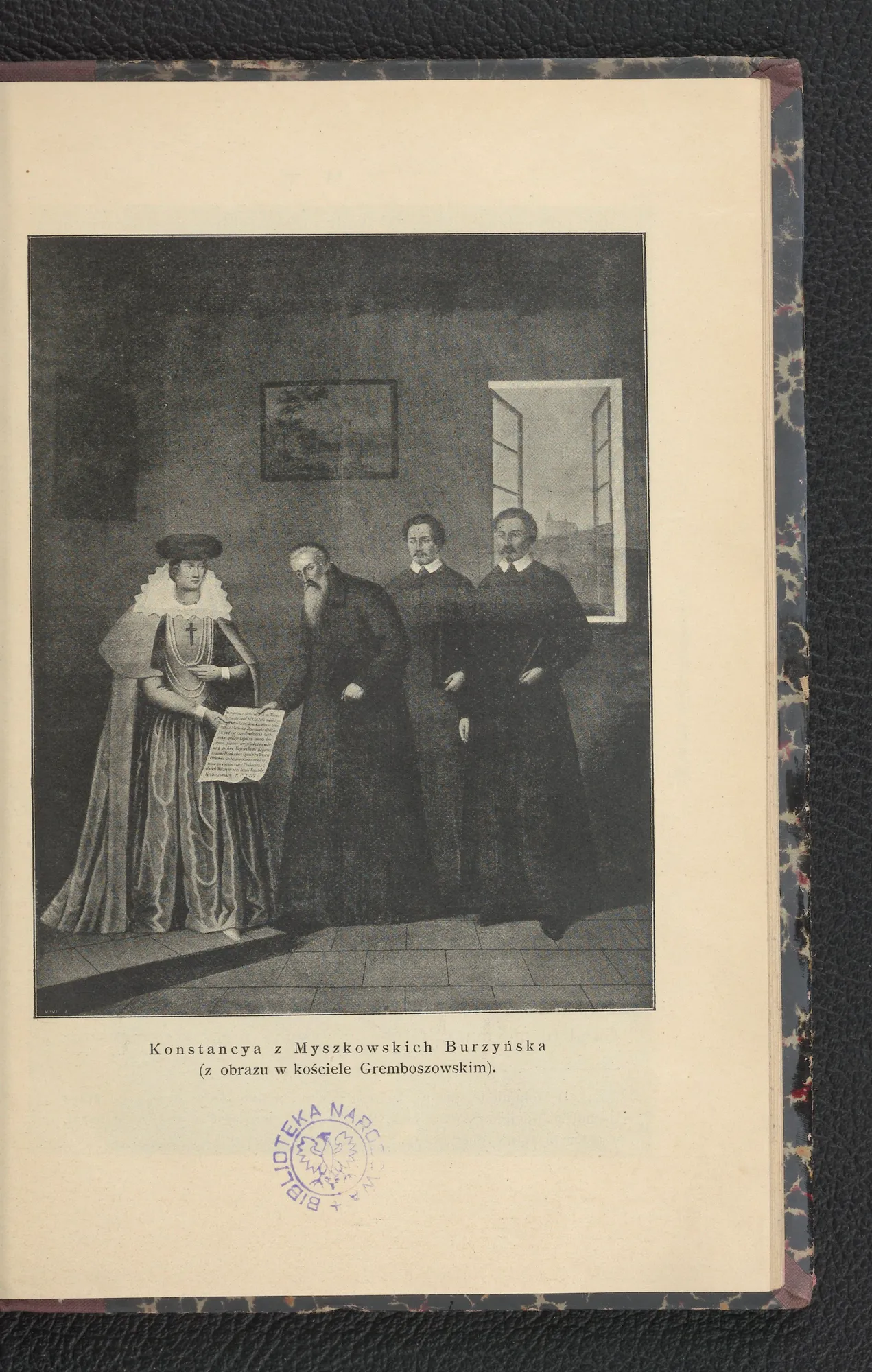
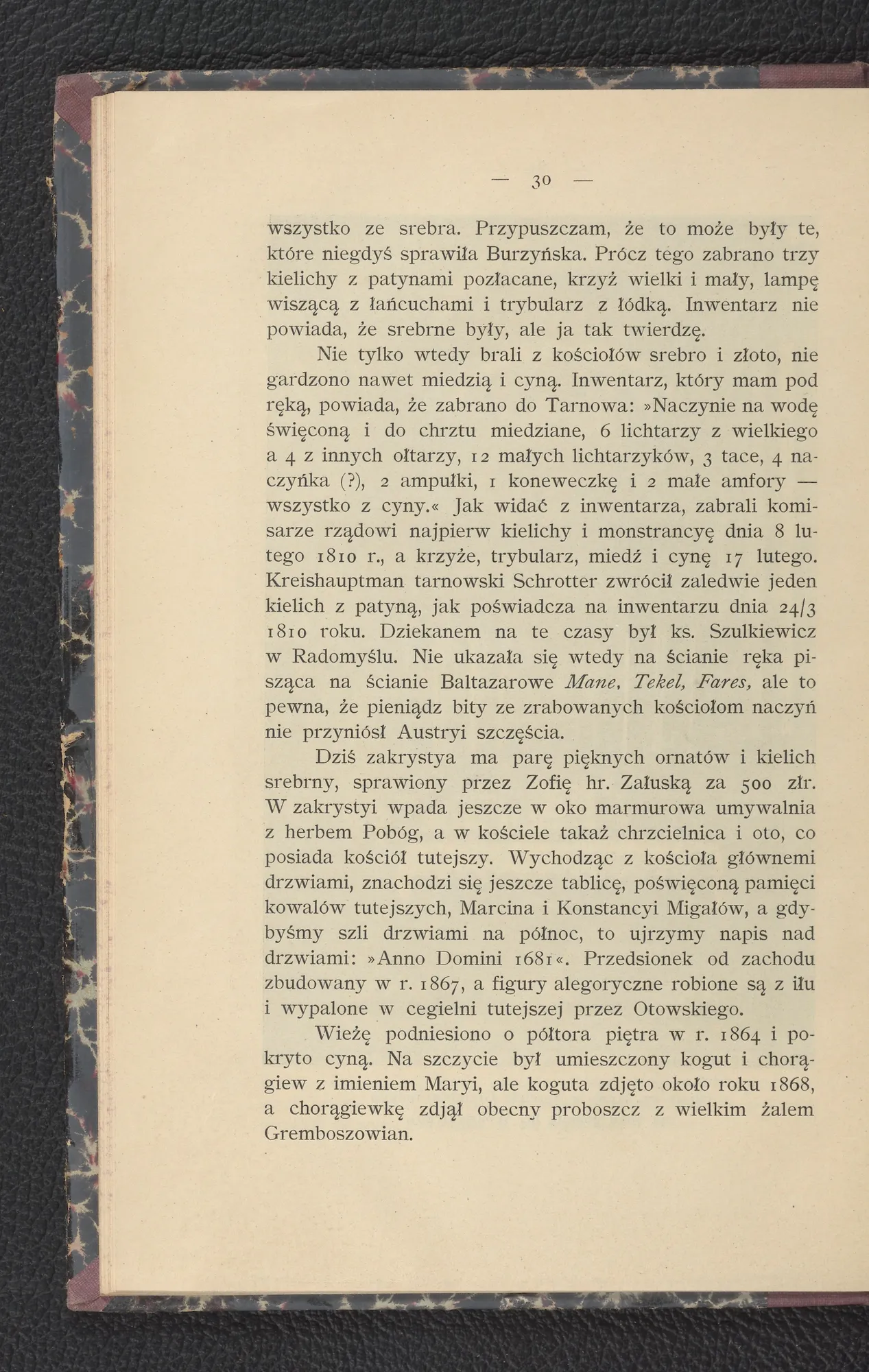
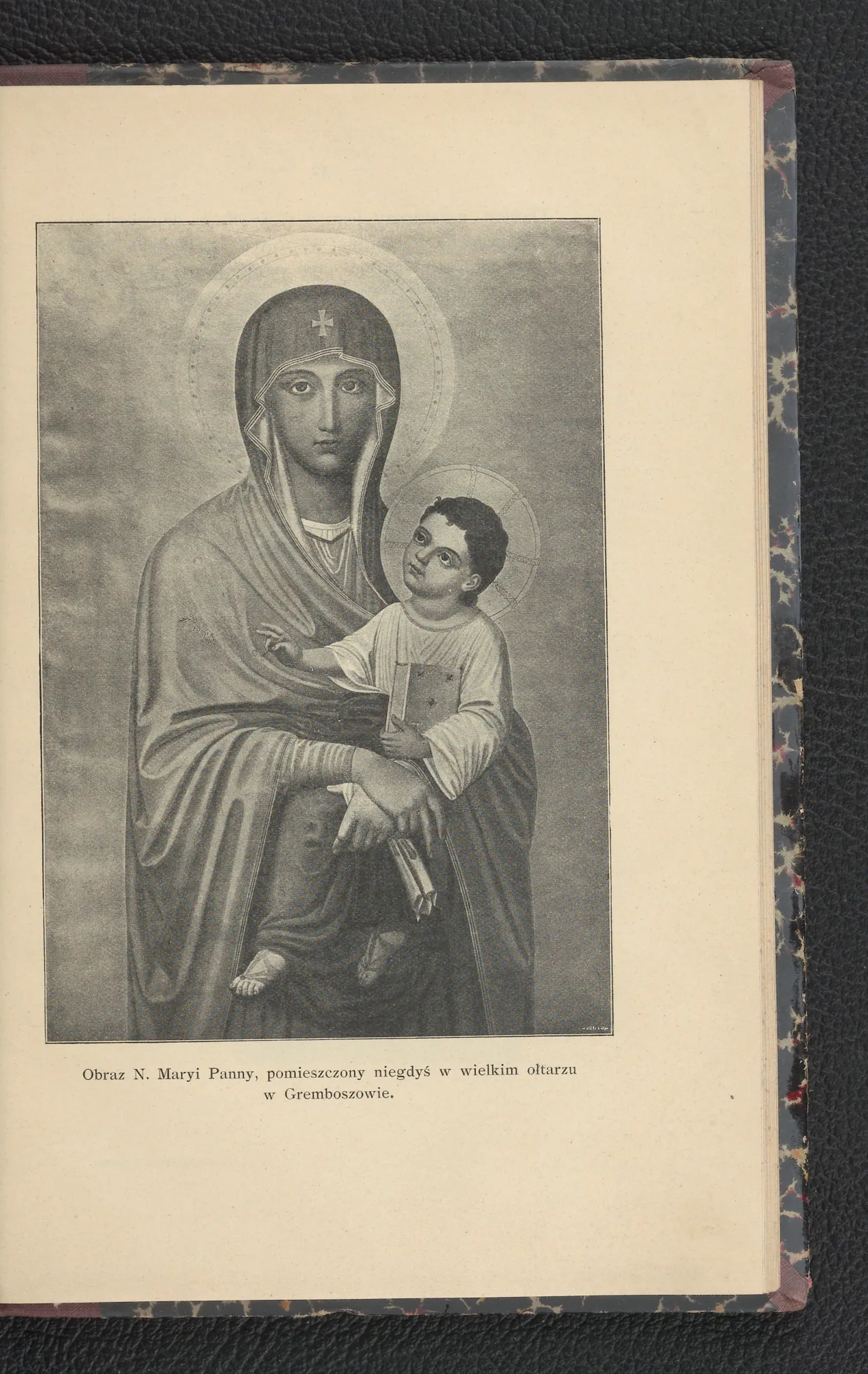
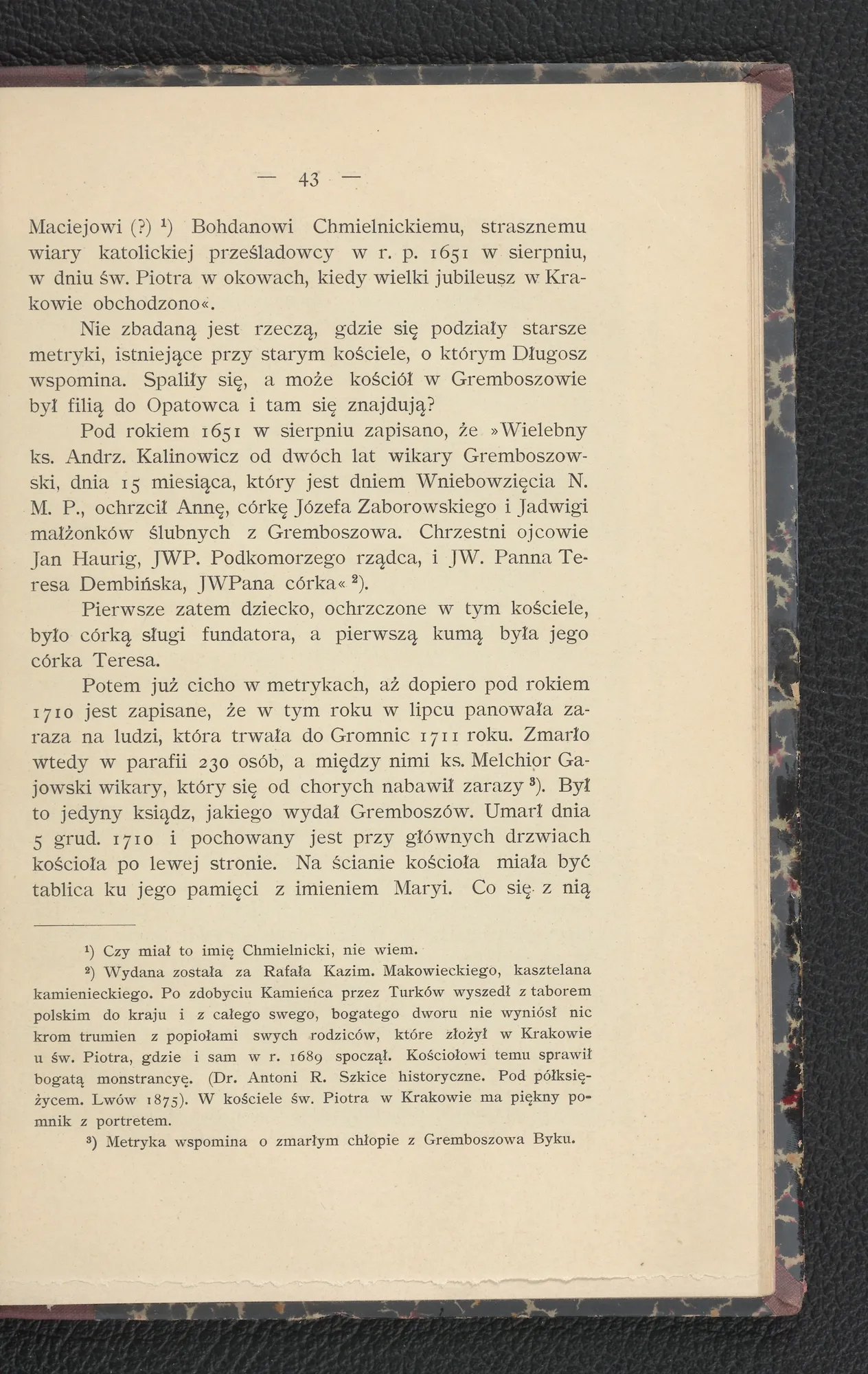
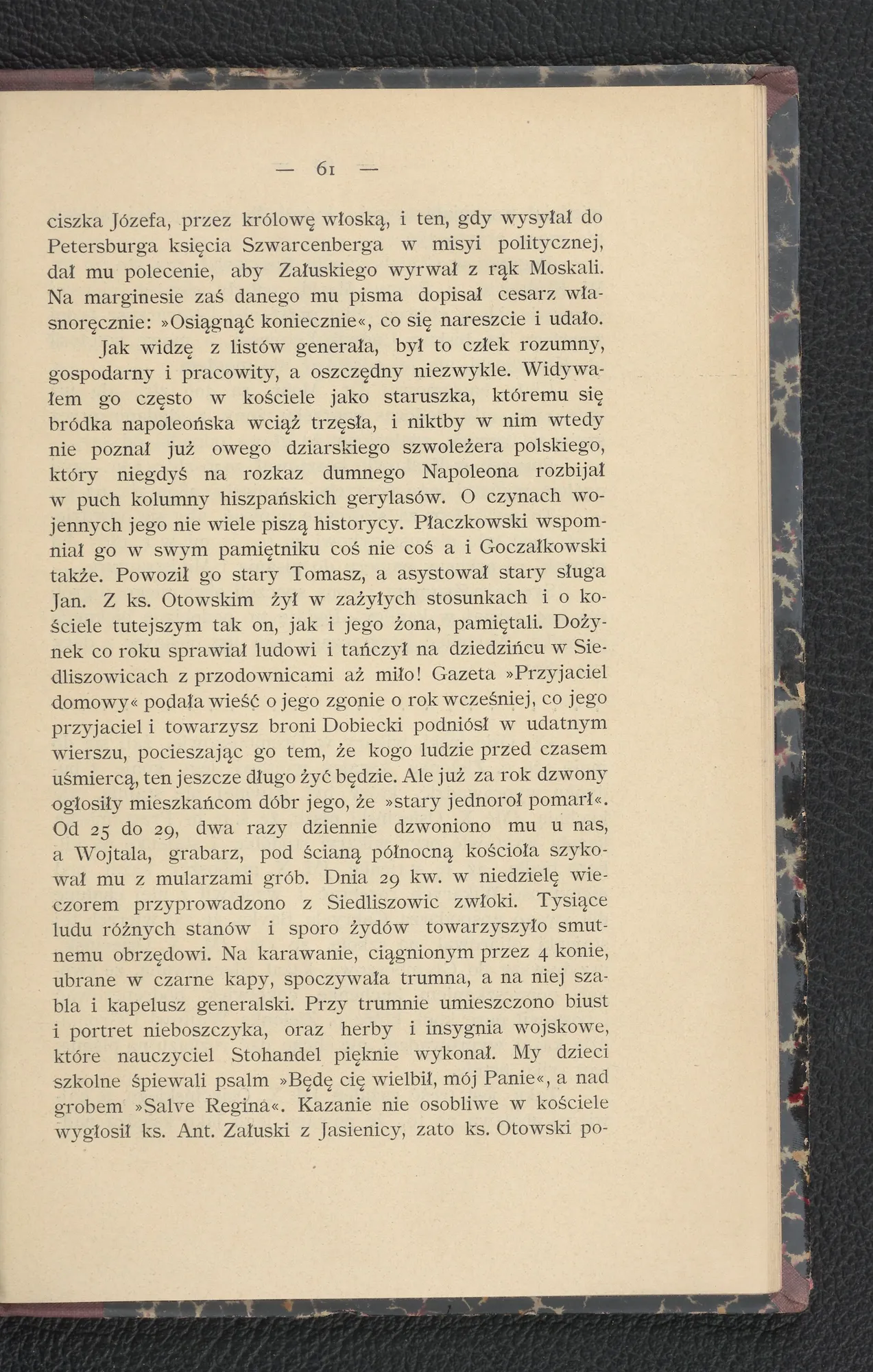
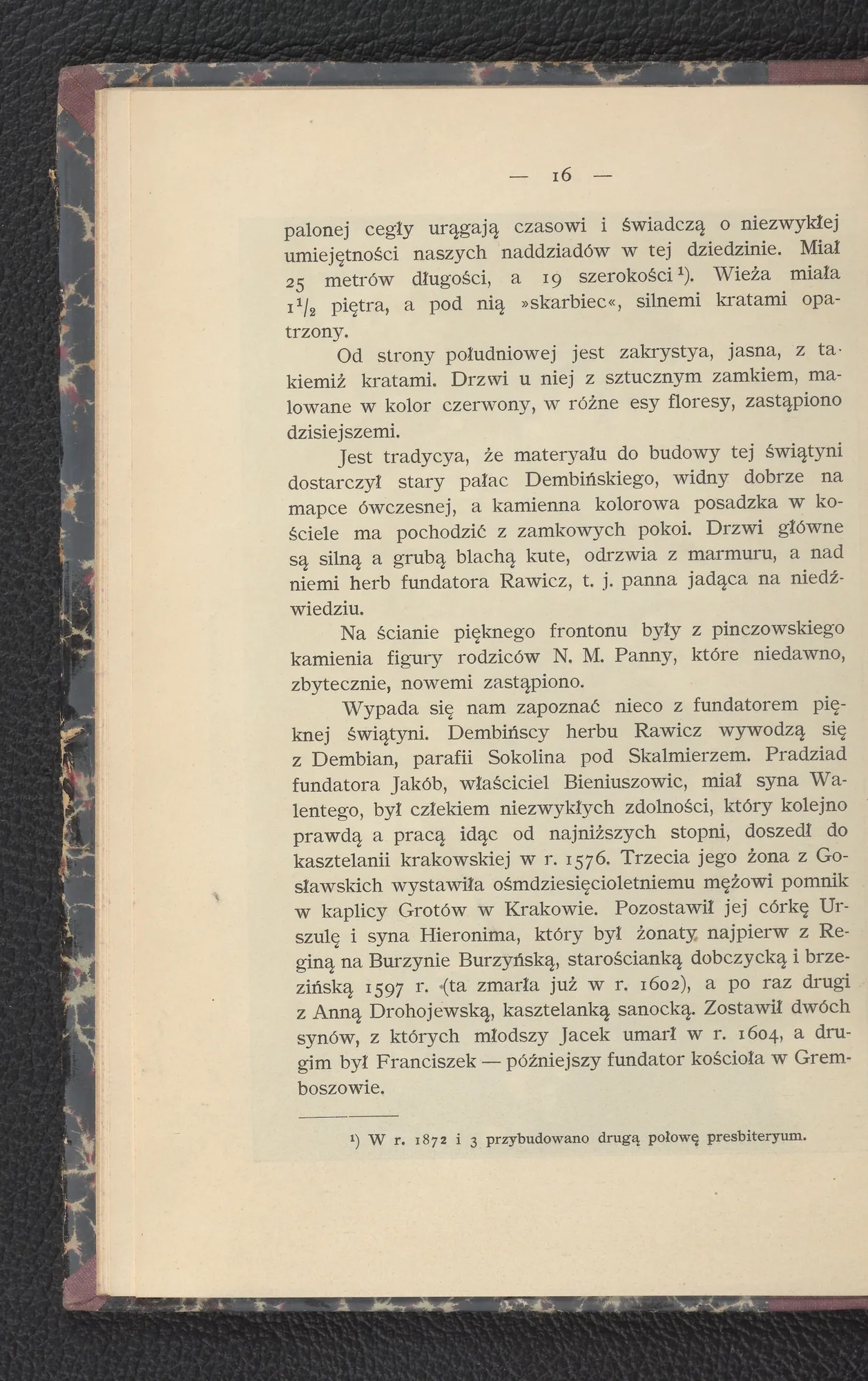
Bojko explains that the name of the village was written by "Gremboszowa" — as in old documents, not according to modern spelling. He describes the history of the church from the wooden temple (1326), the Dembiński family and heirs, the Franciszek Dembiński foundation (1650), a portrait of the Burzyński family and interior monuments — m.in. the monument of General Józef Count Załuski and the altar of St. Anne with the monument of Count Wodzicki.
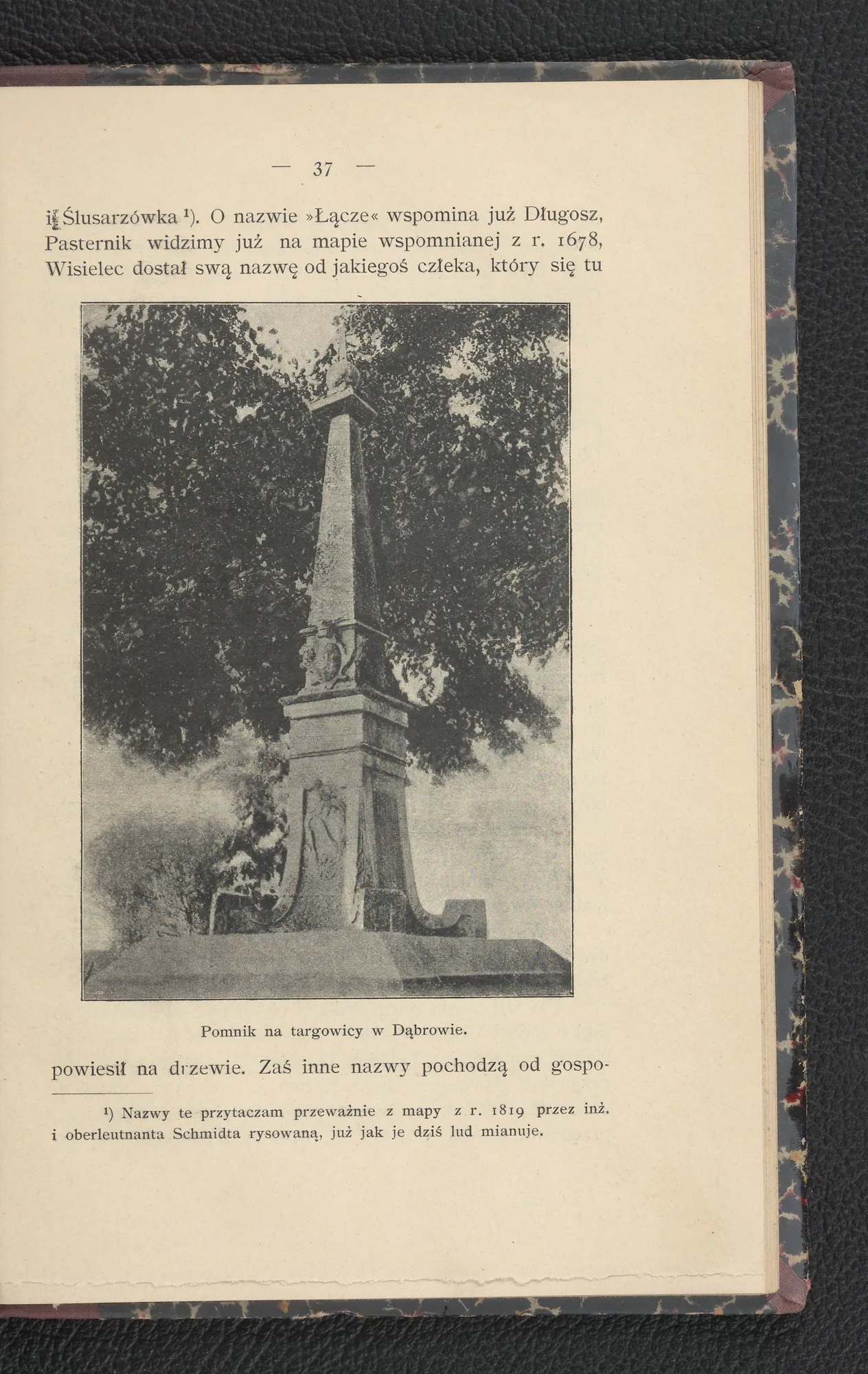
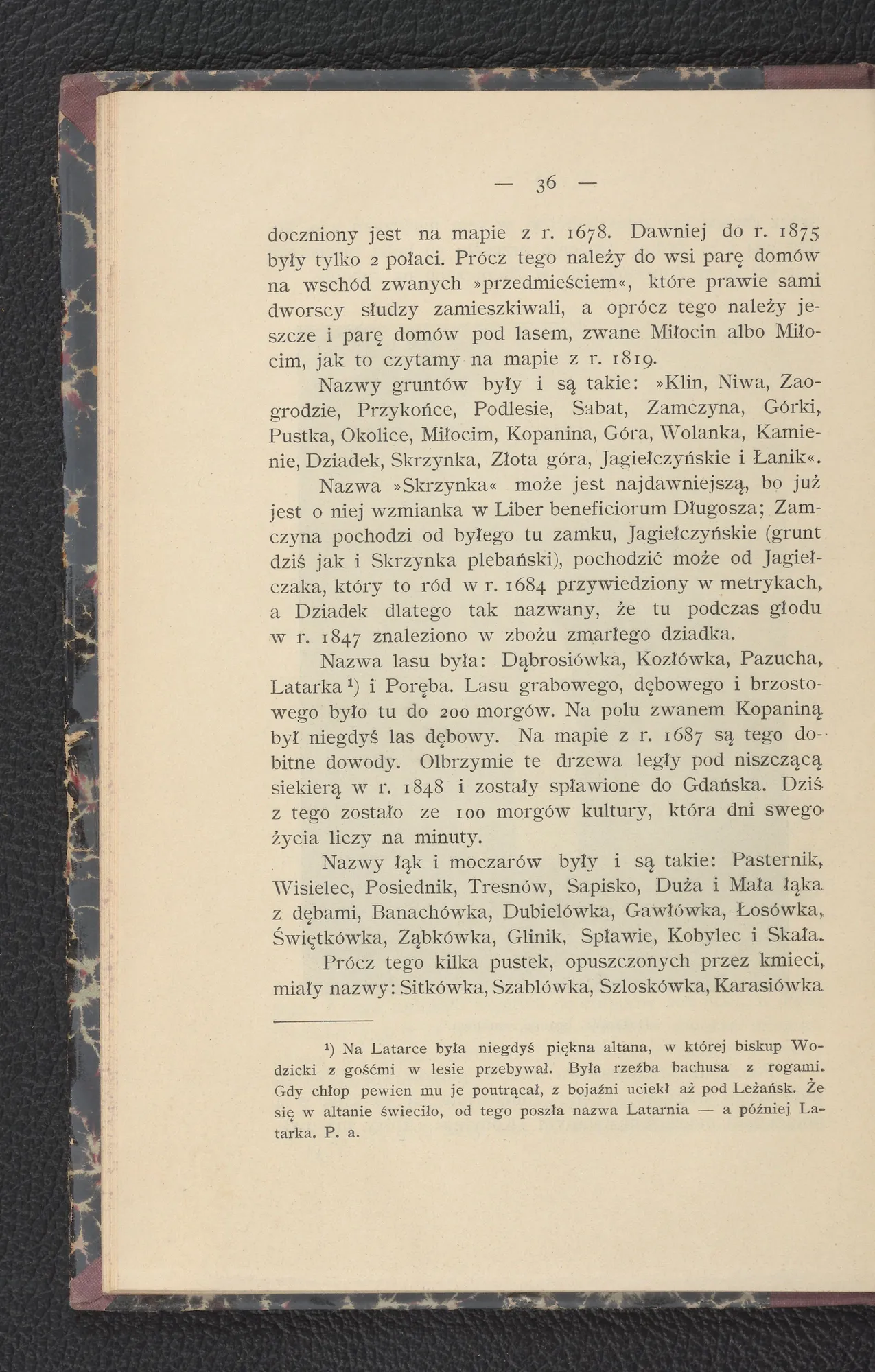
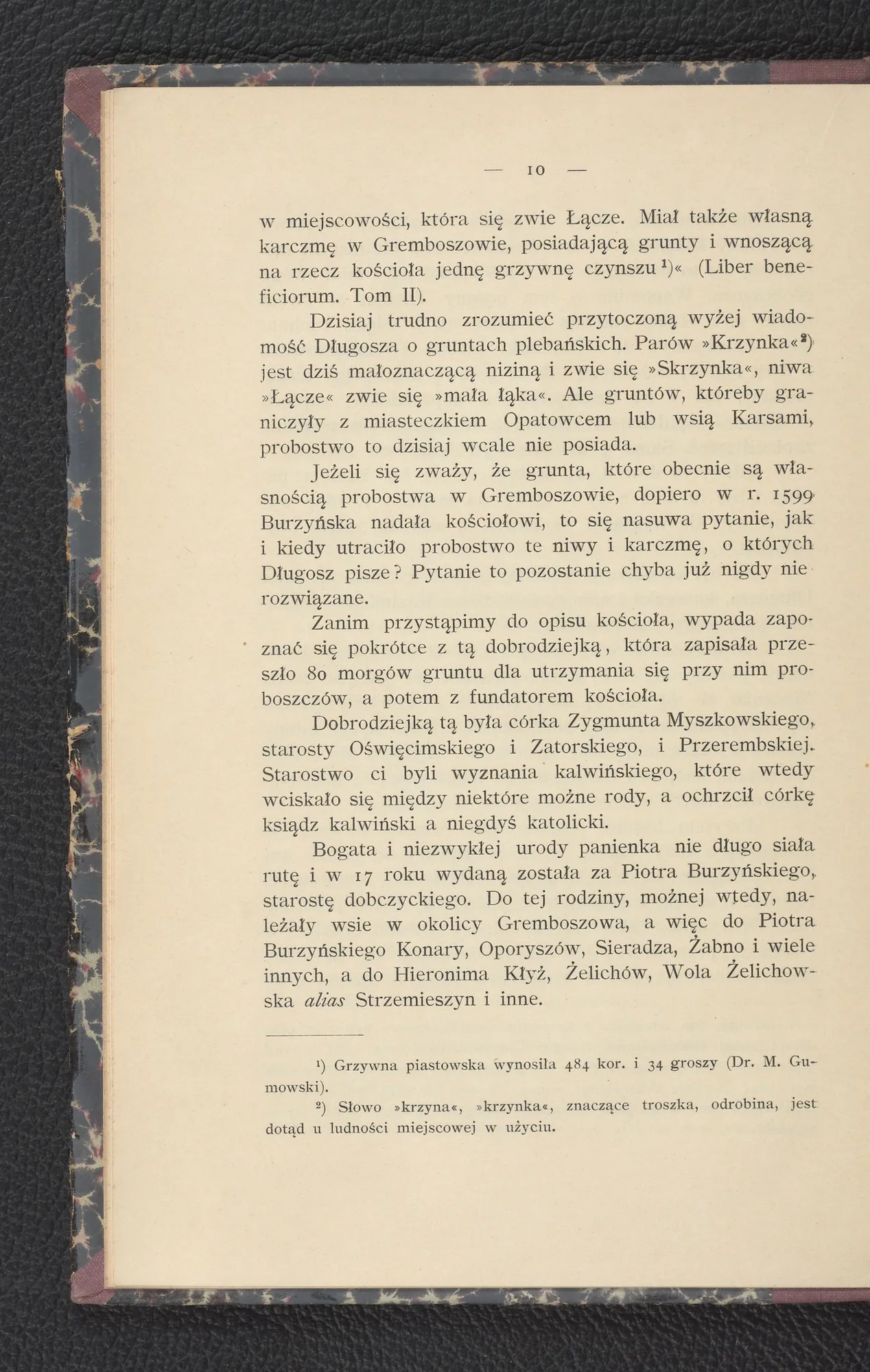
In the chapter on the Nieczui family, Bojko quotes the first mention of the village from 1287 and connects the name of the village with the name of the founder of the settlement. He writes about the parish from 1326 on the basis of the records of Długosz and Theiner; a separate chapter describes the Dąbrowa district, the villages of the parish and the names of the lands (Klin, Niwa, Podlesie, Łącze) and the former serf duties of the peasants.
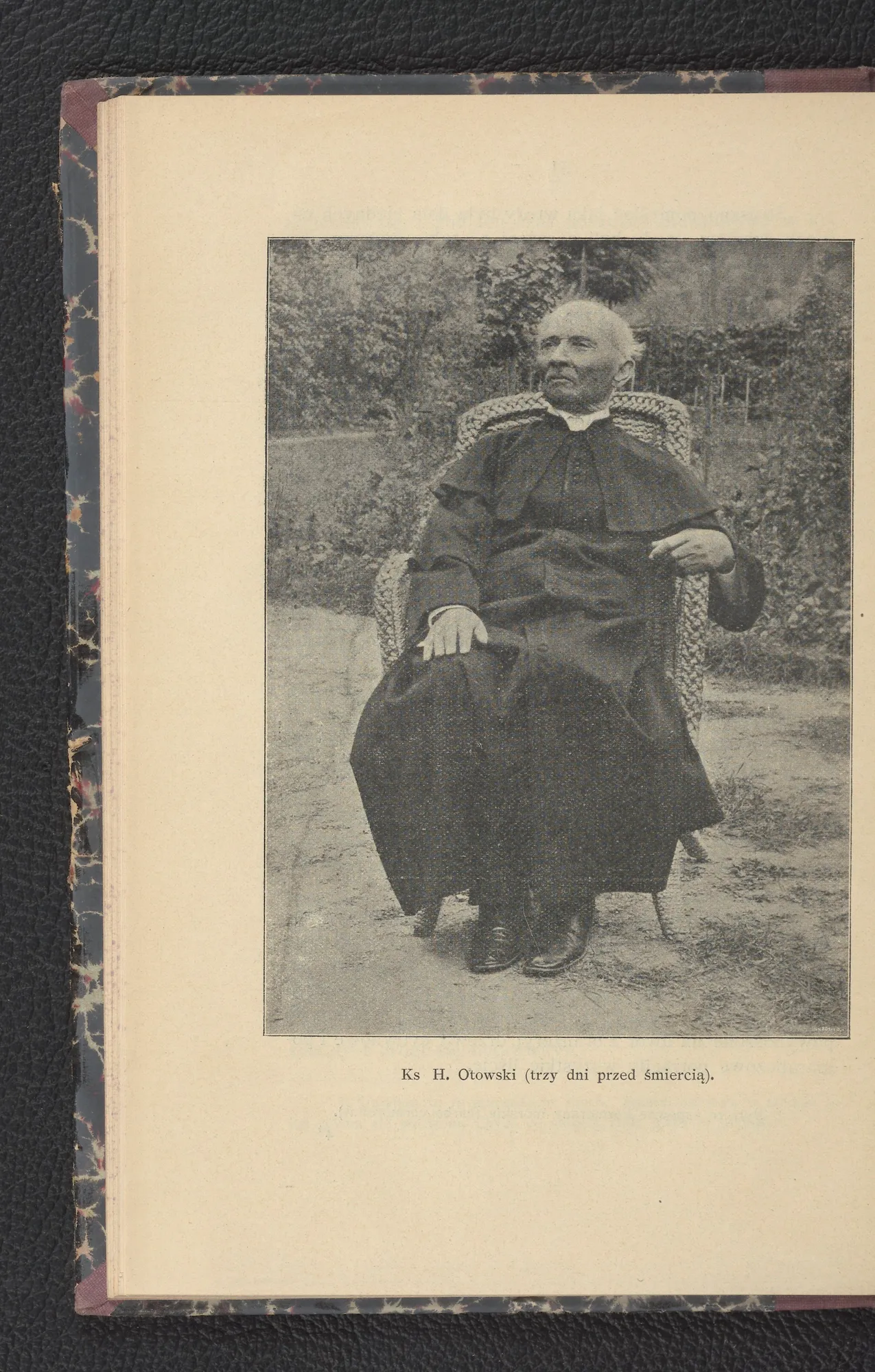
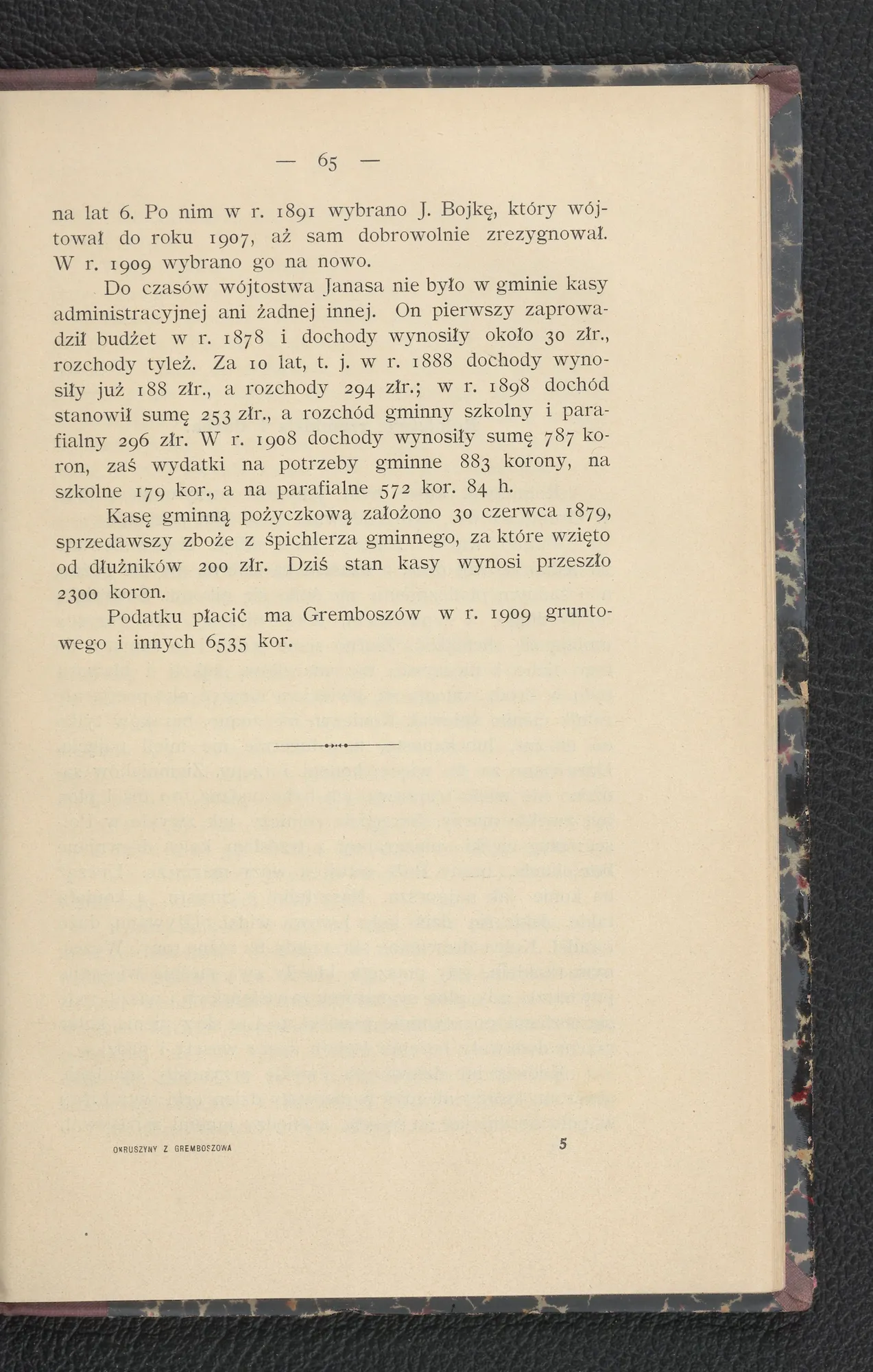
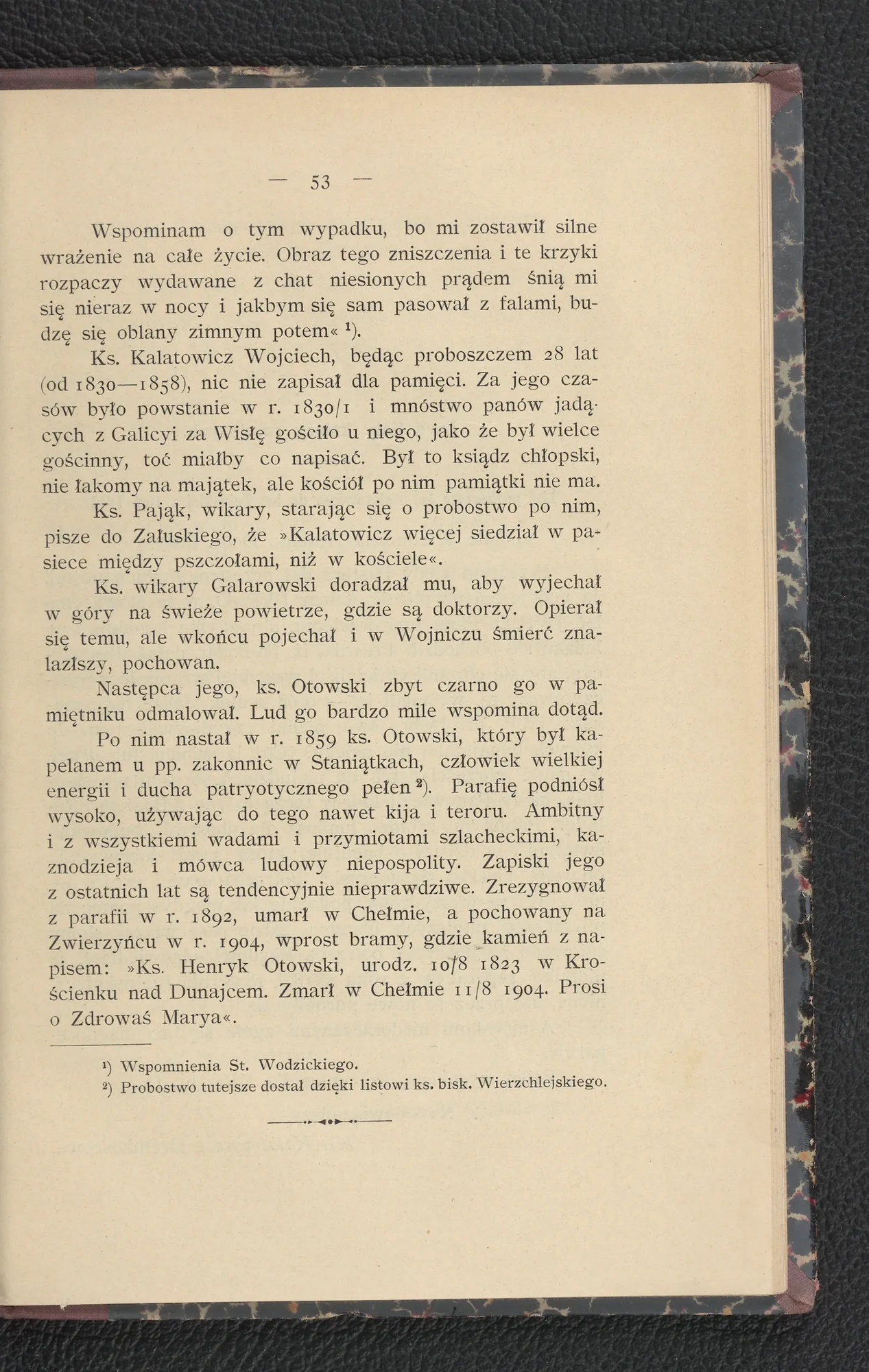
The chapter "The Mayors of Gremboszów" mentions m.in. Koziara (1787), Luźniak (1820), Kuciemba (1846–1847) and the author himself (1891–1907). A separate chapter is devoted to the year 1846 — the Cracow Uprising and its reception in Gręboszów and its surroundings ("the terrible year of 1846 passed quite peacefully in Gremboszów" — the first news of the massacre was carried by travelers). The author also mentions the parish priest Henryk Otowski (1858–1892) and the life of the commune at the end of Galician autonomy.
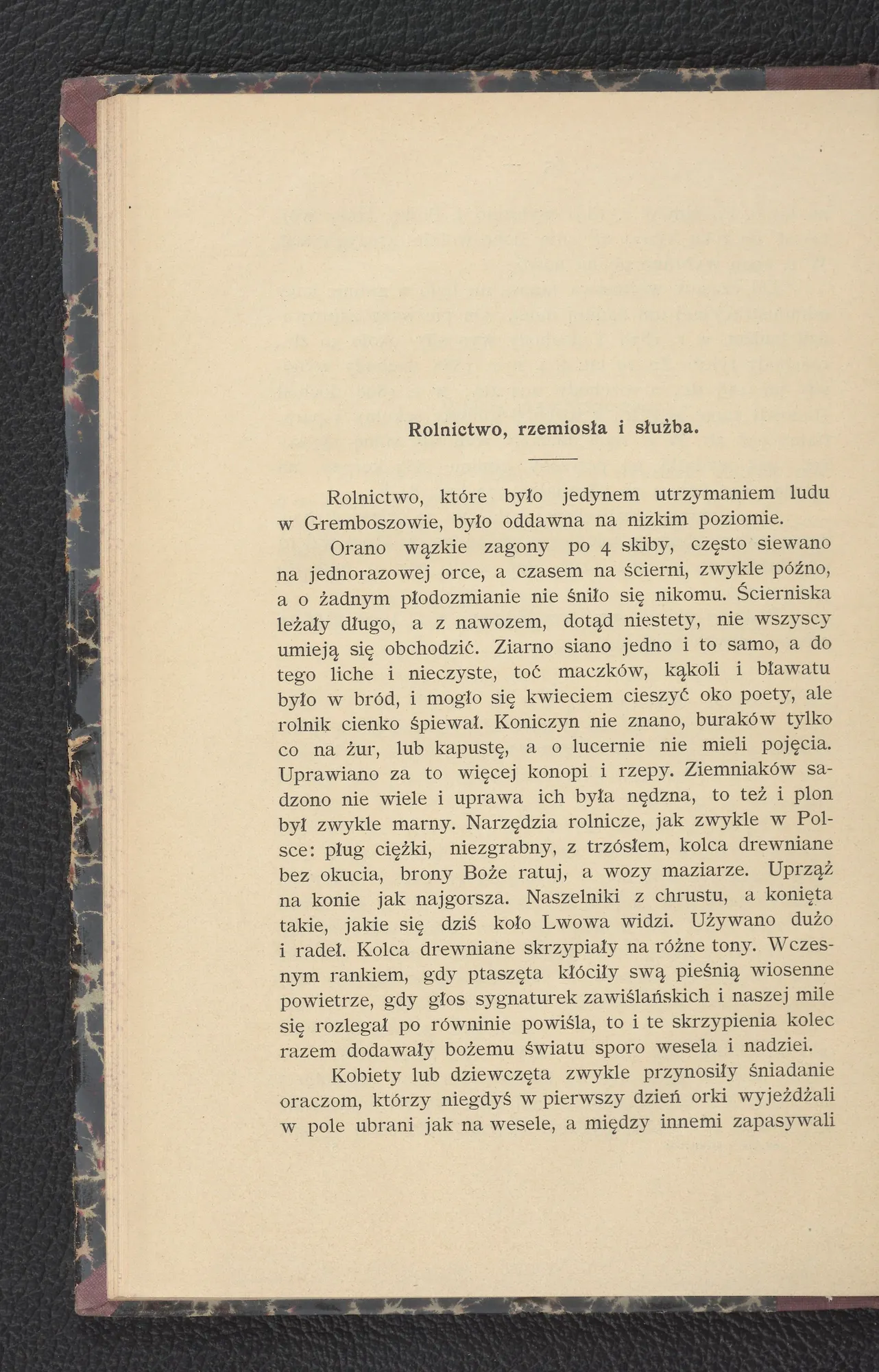
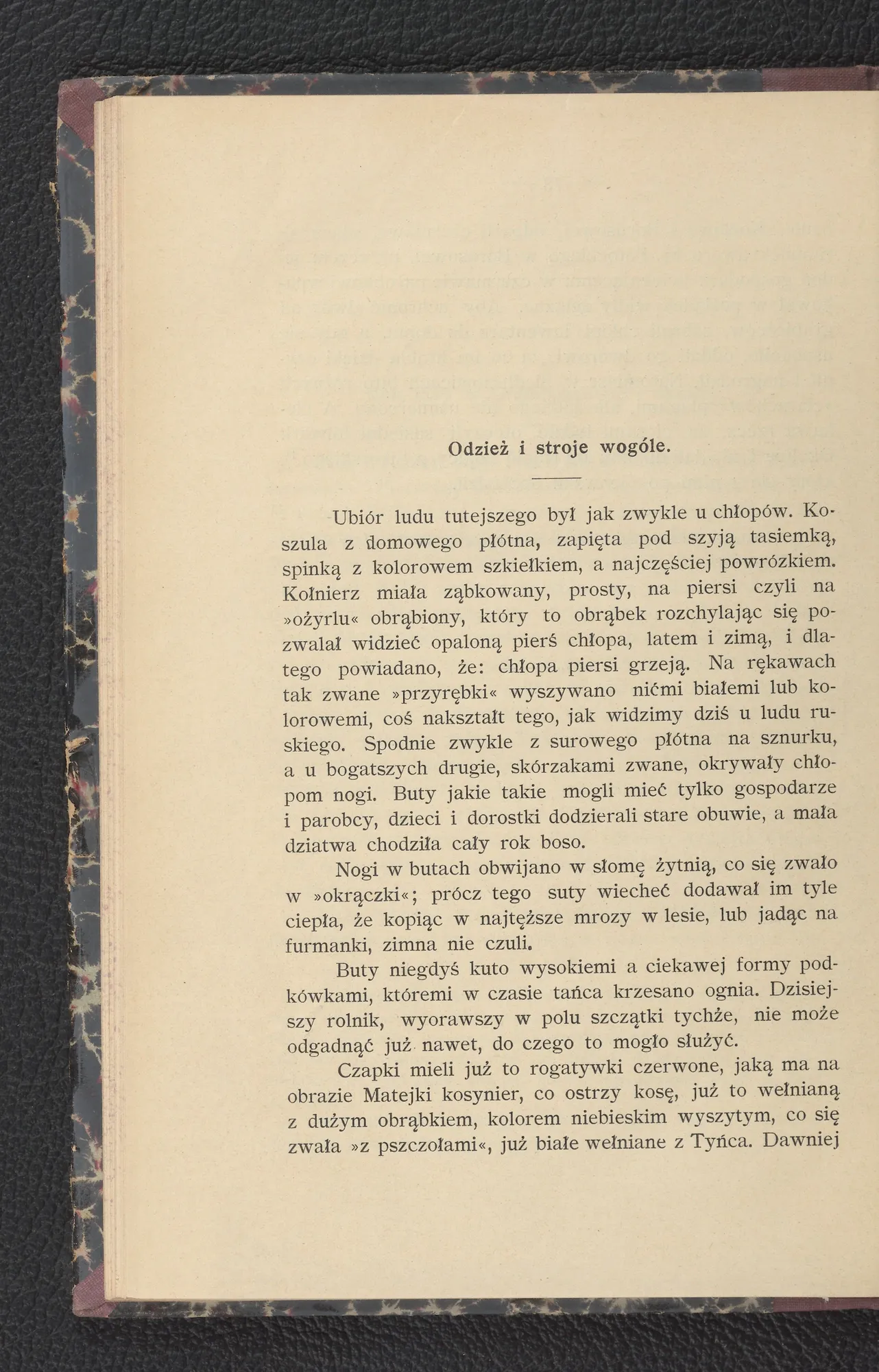
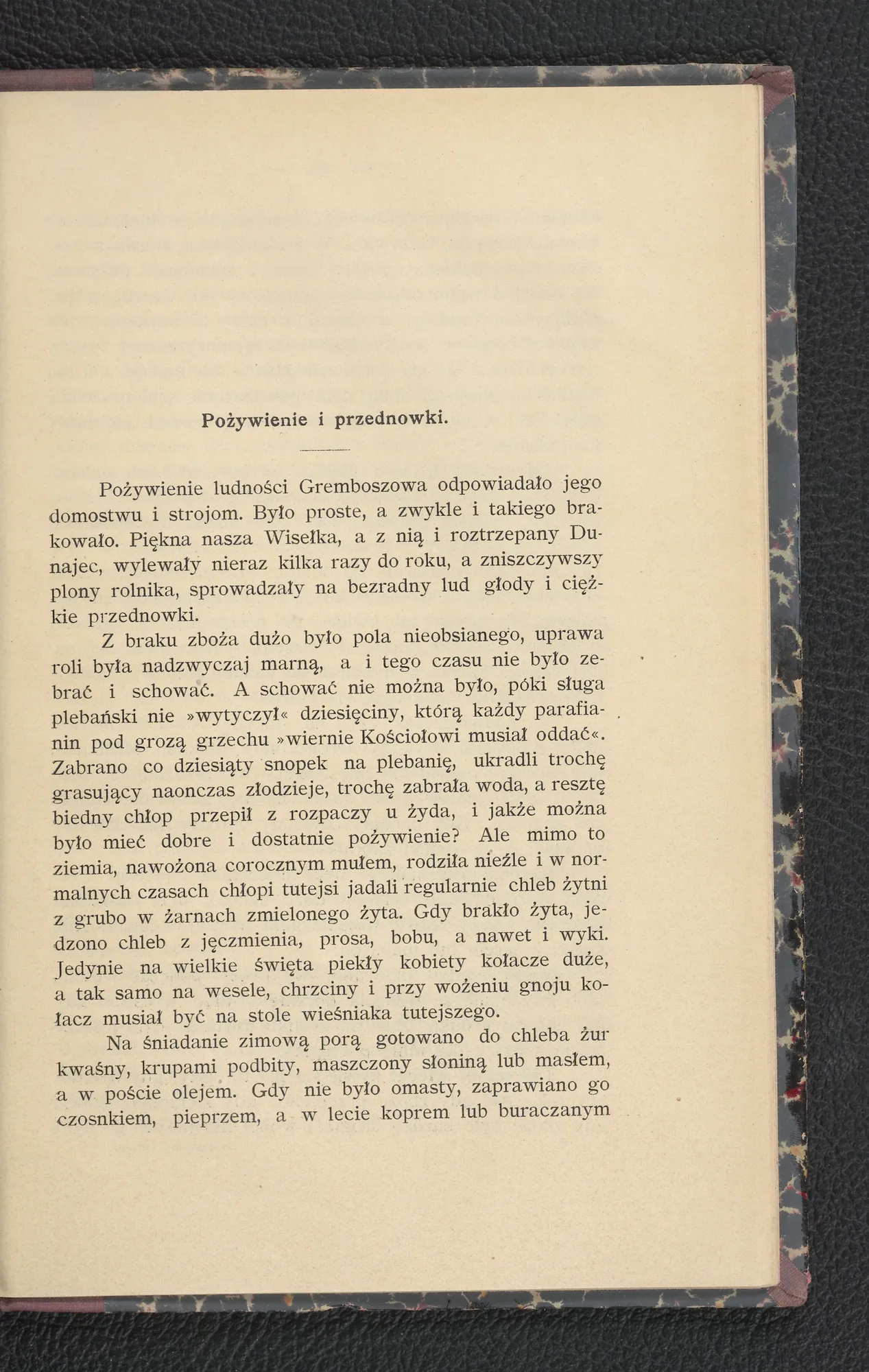
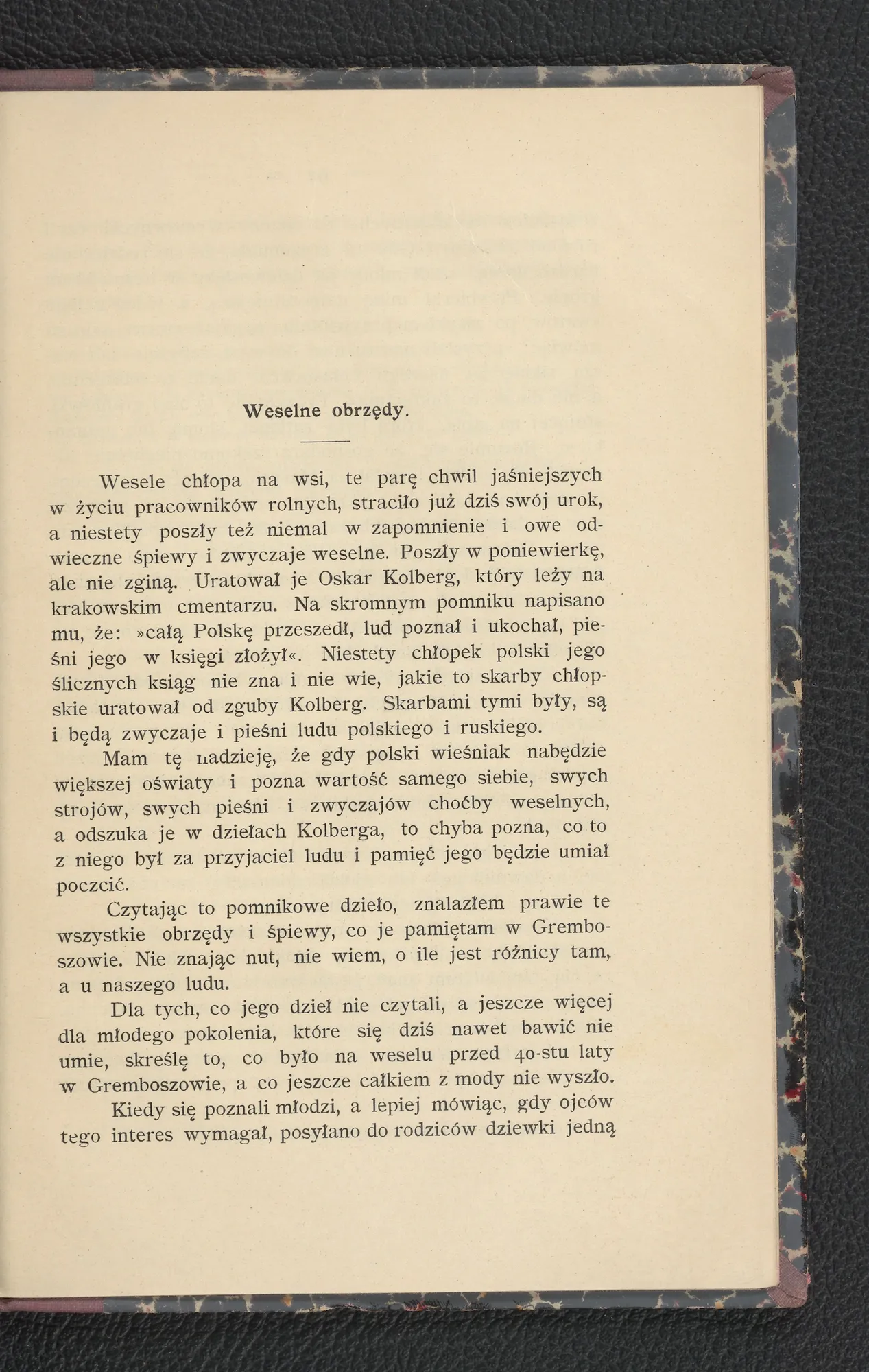
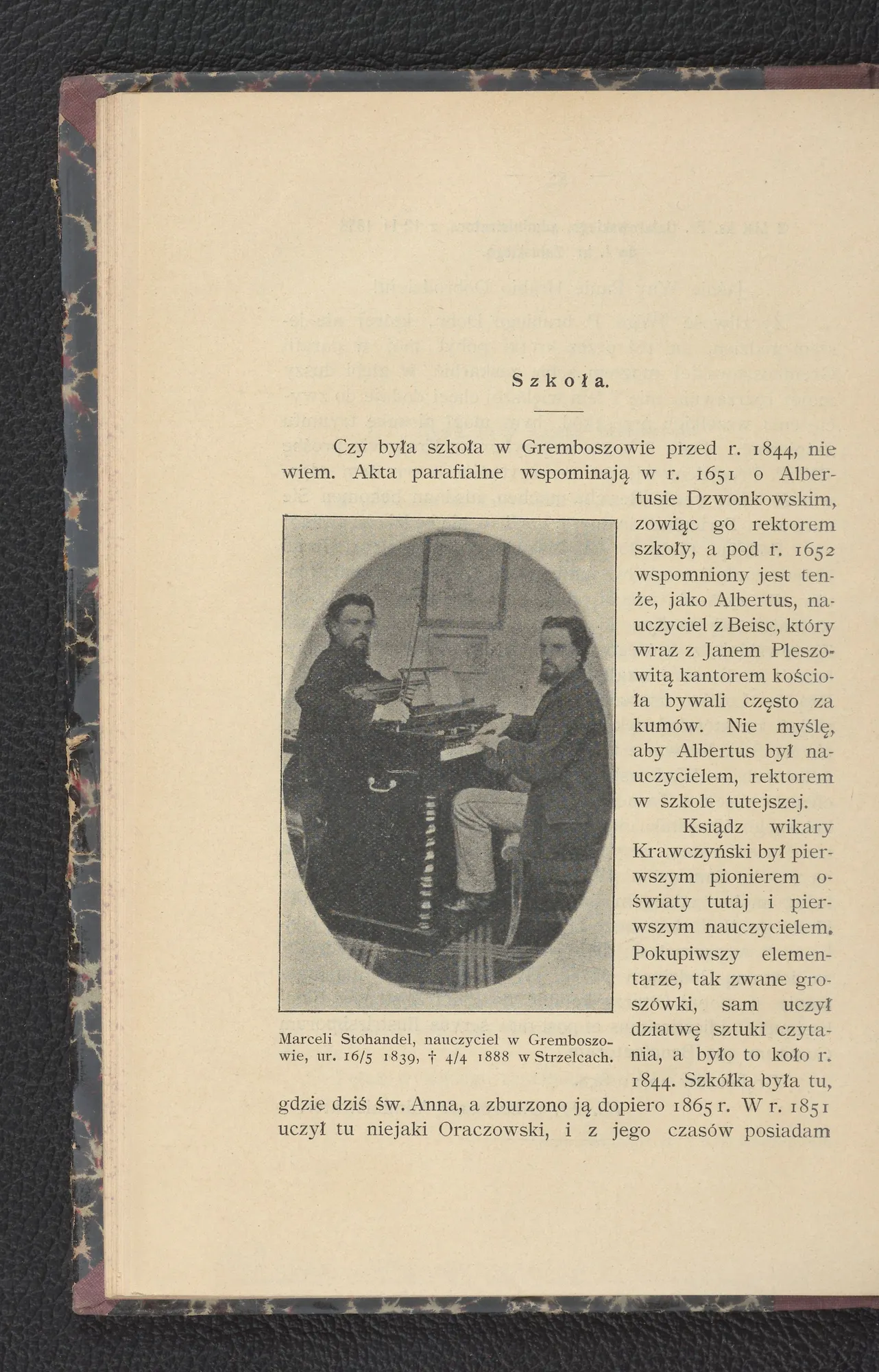
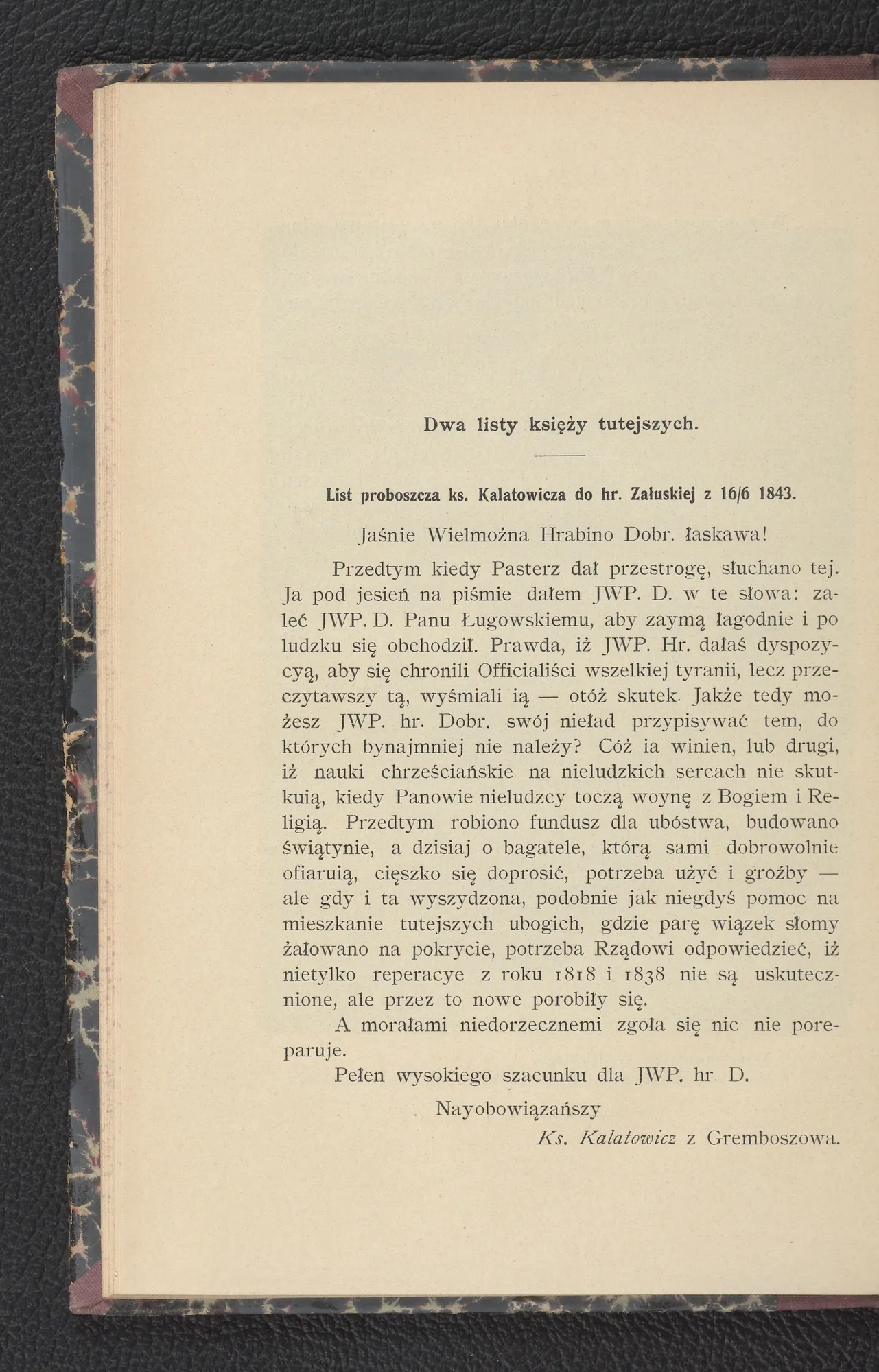
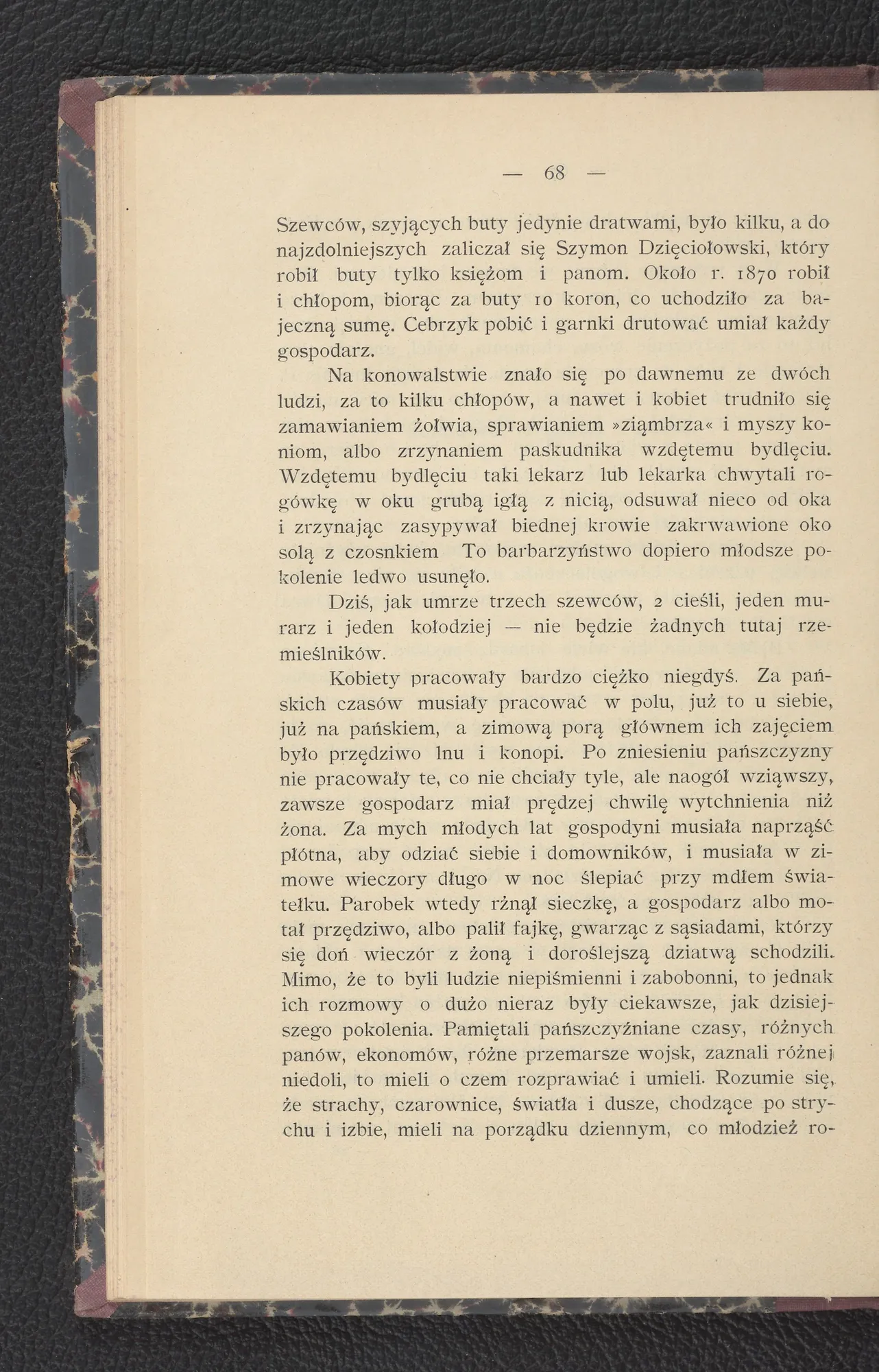
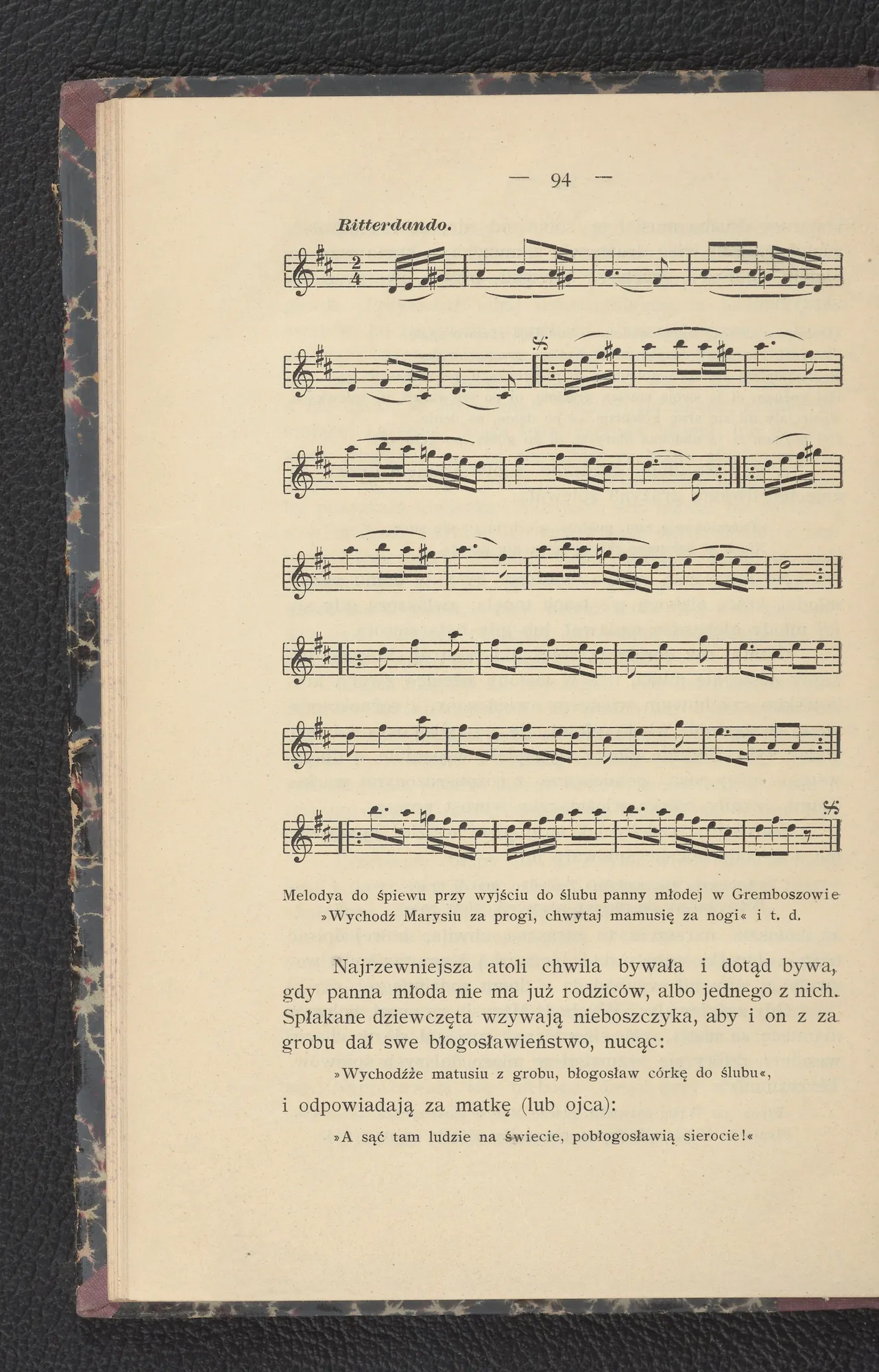
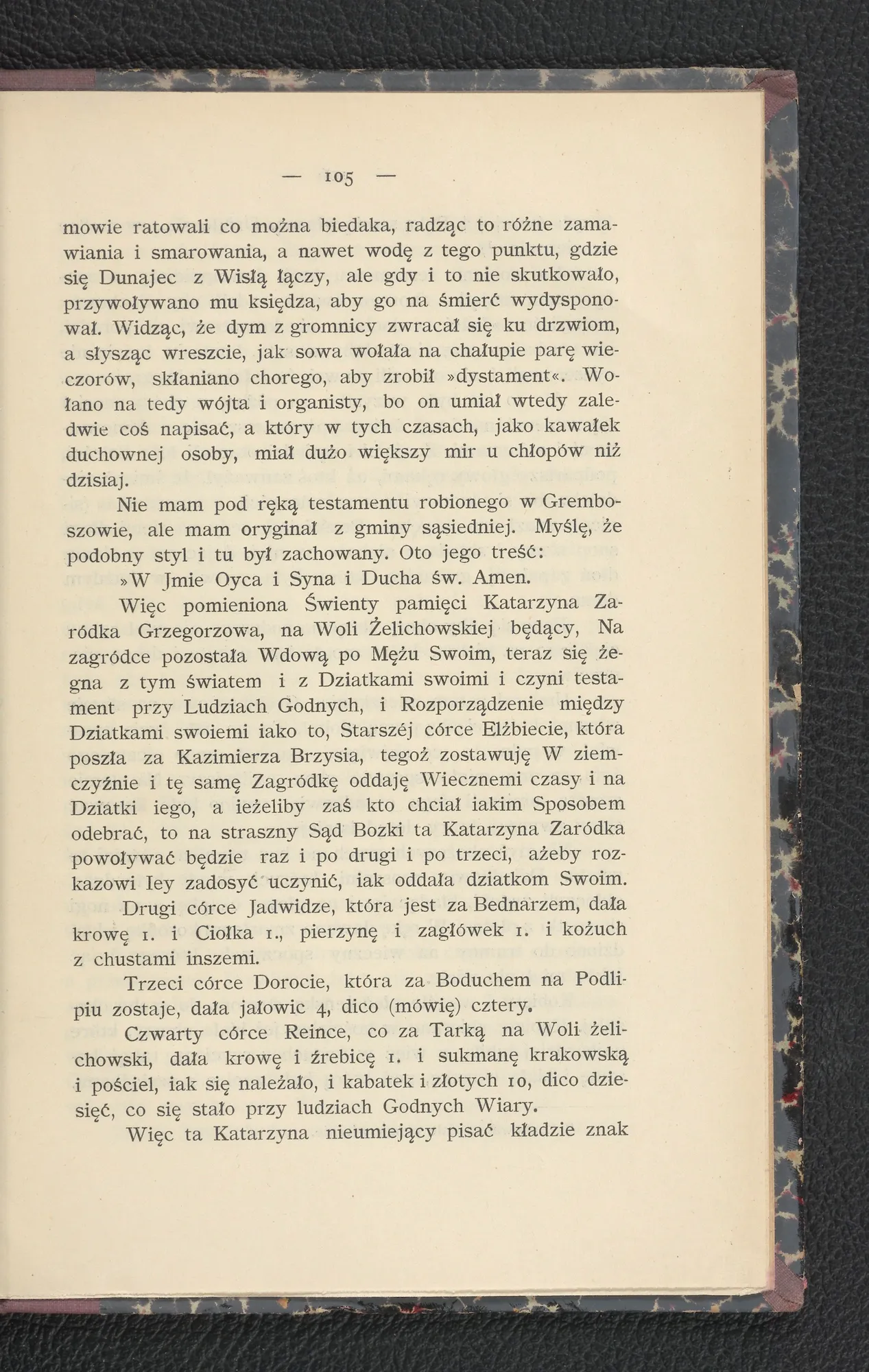
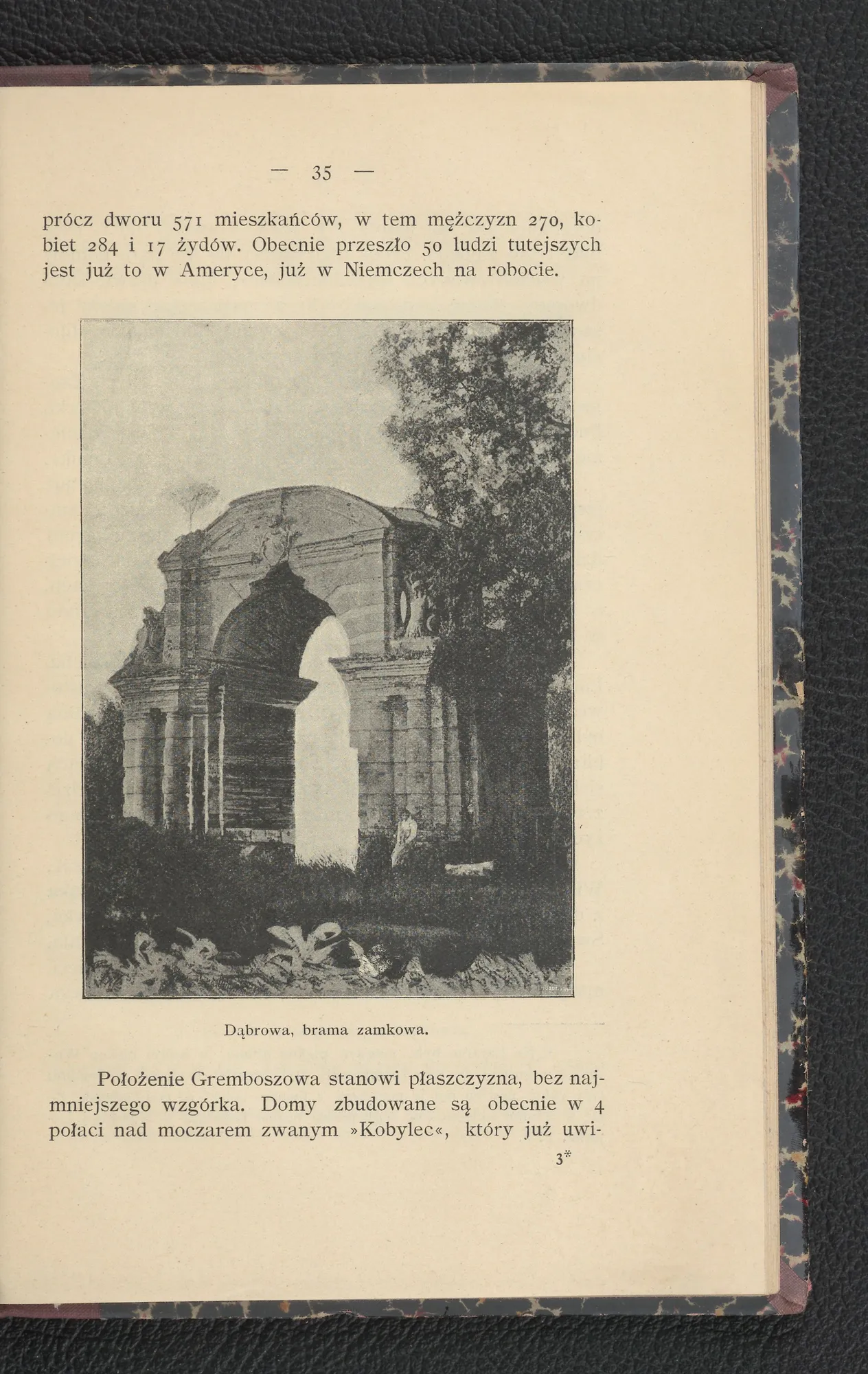
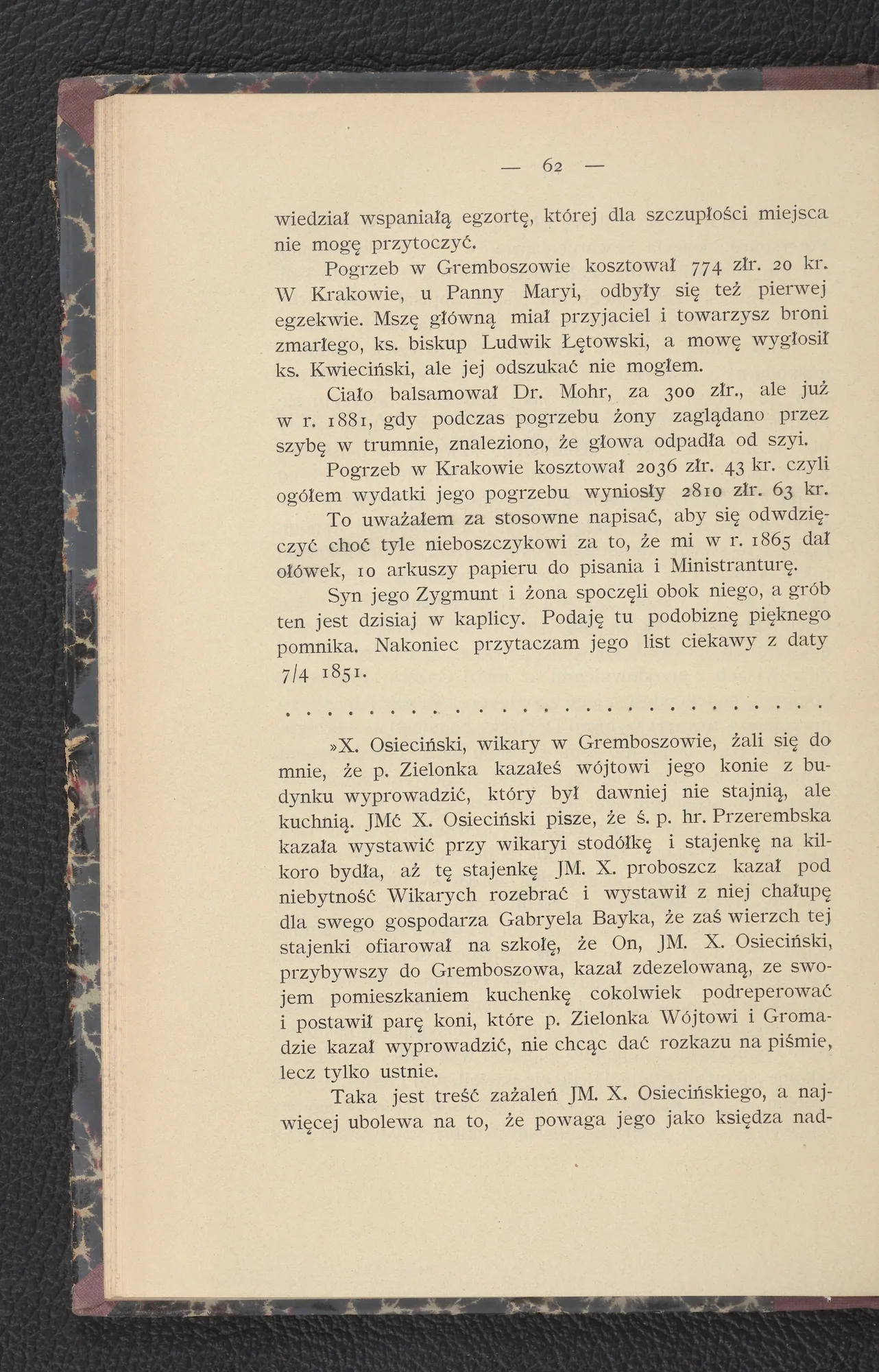
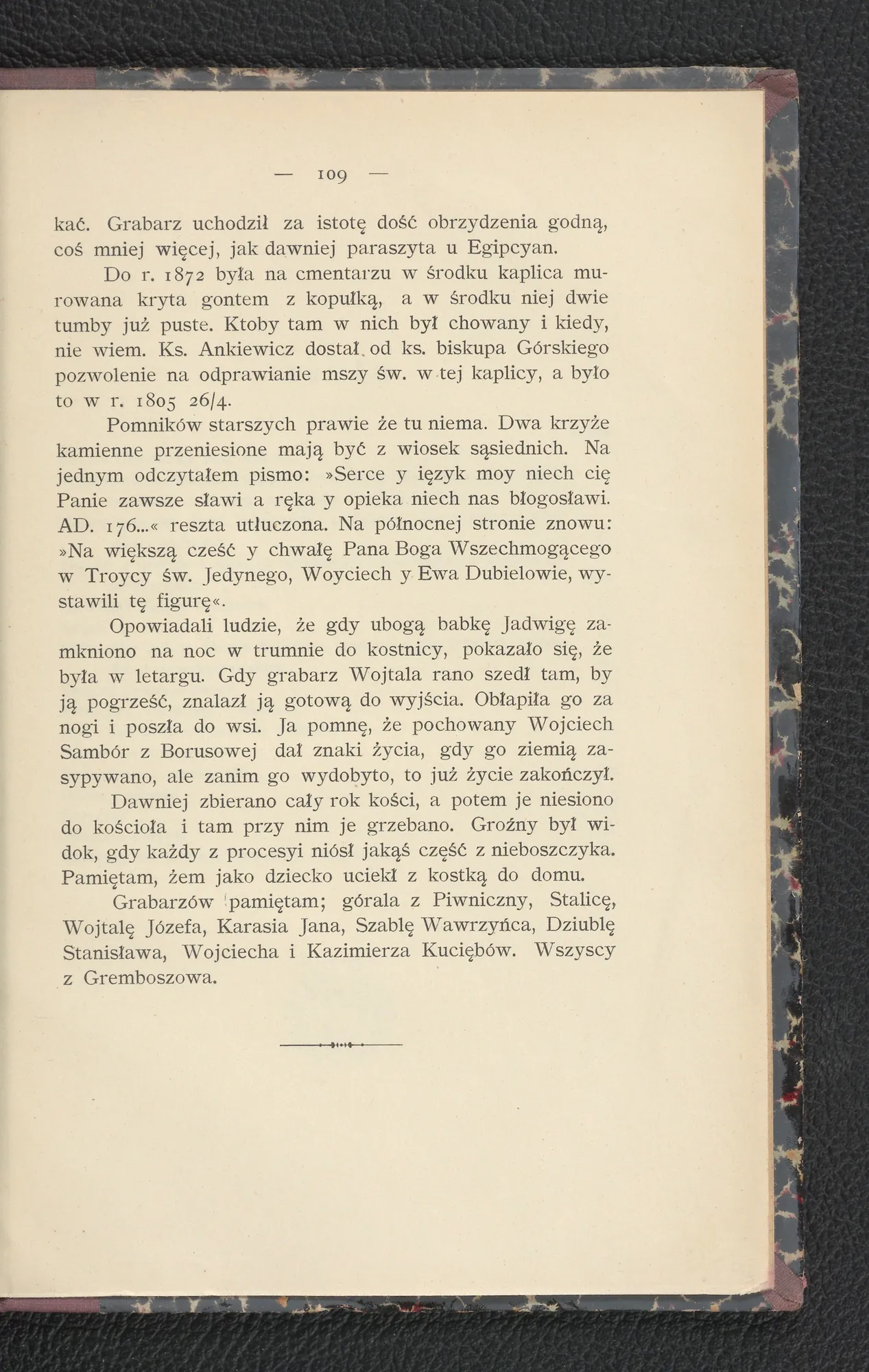
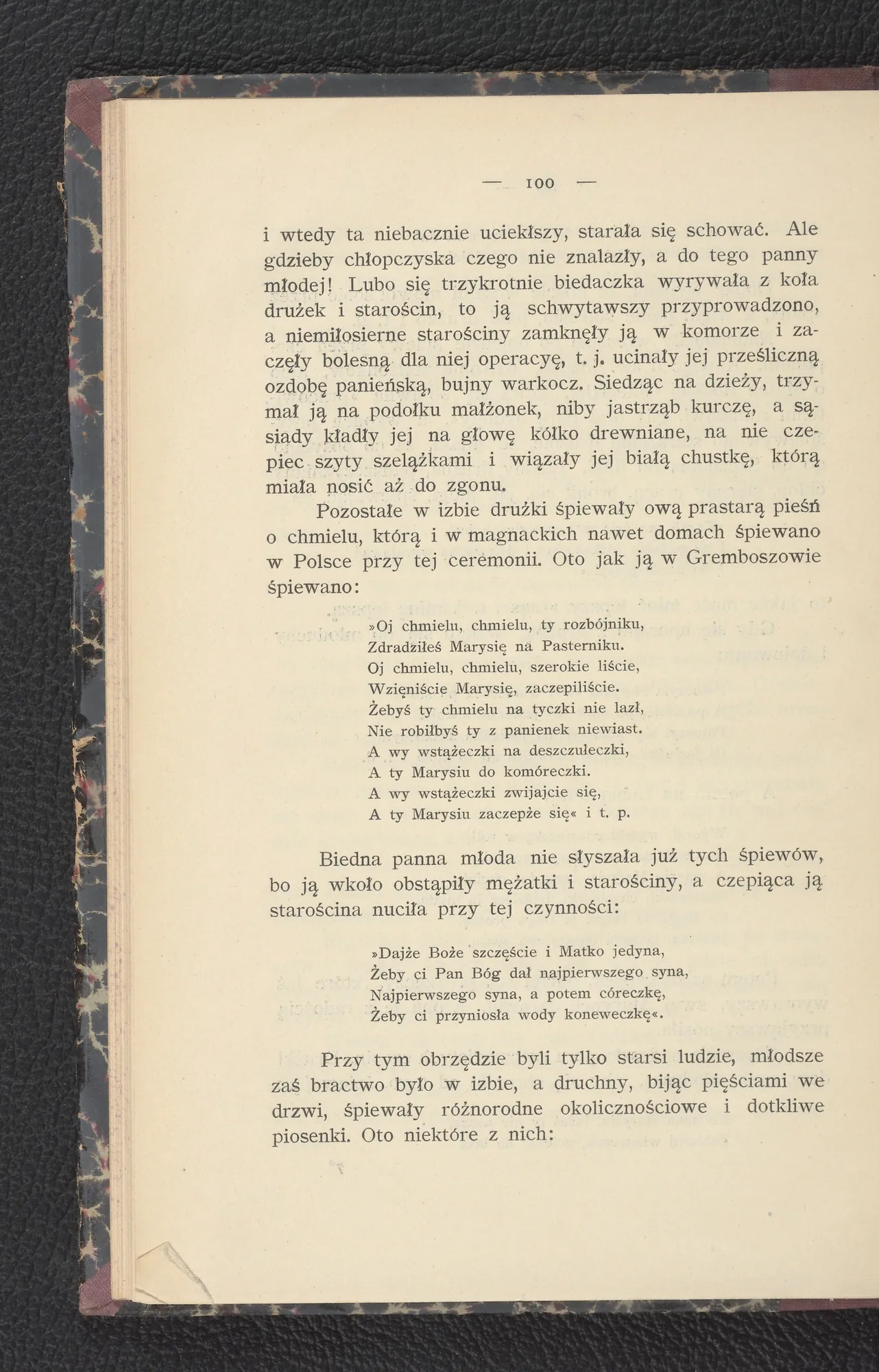
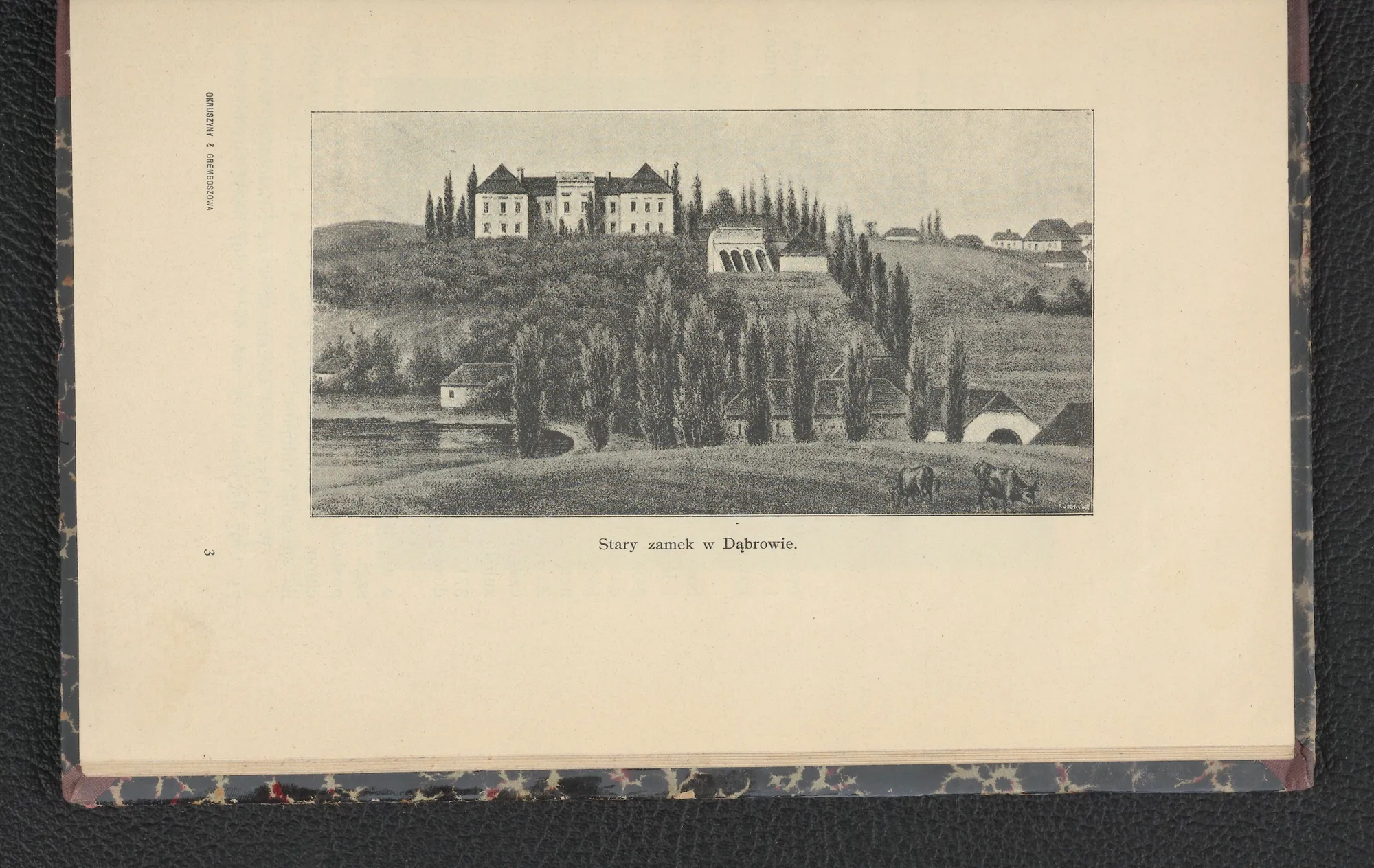
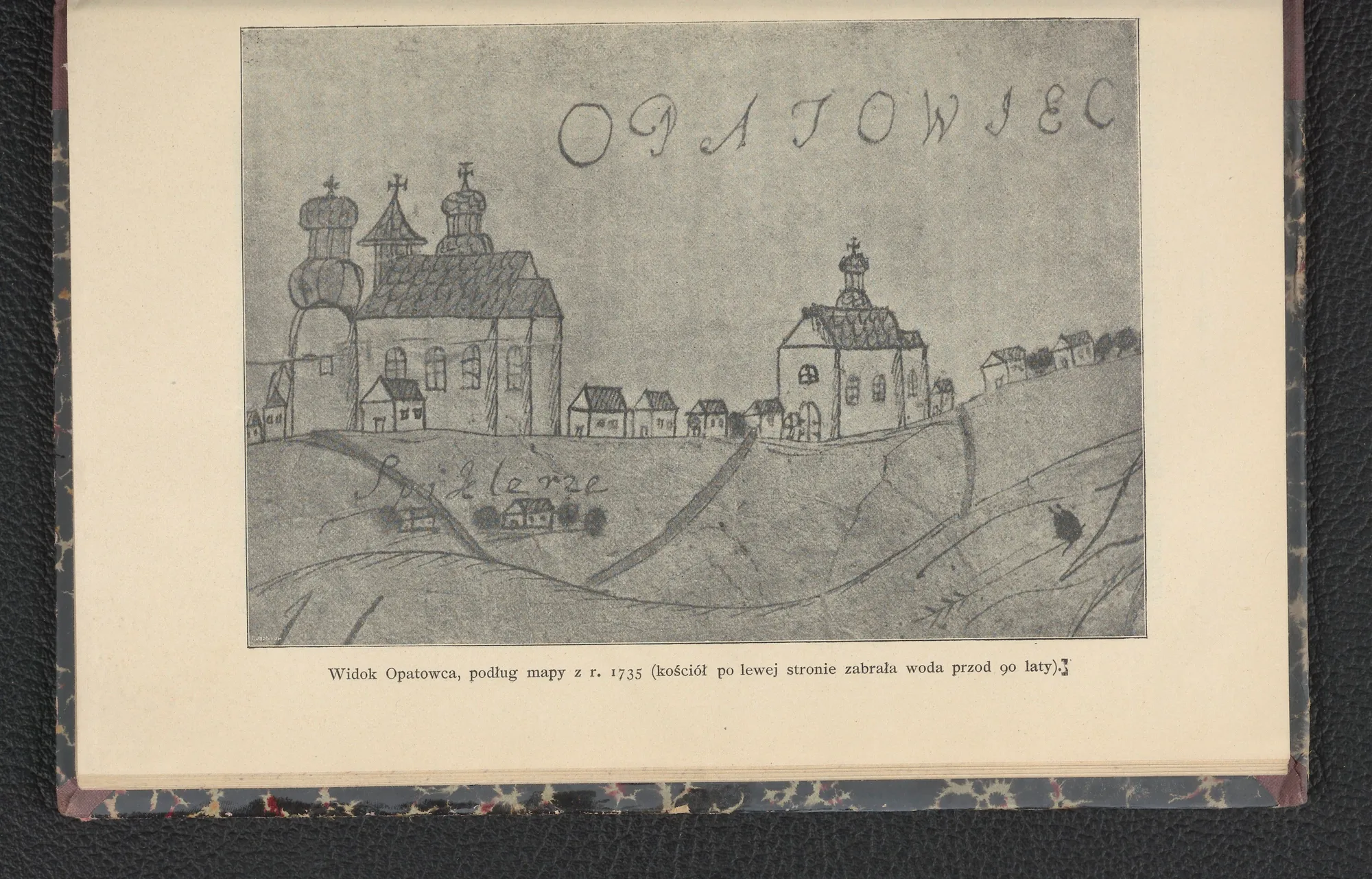
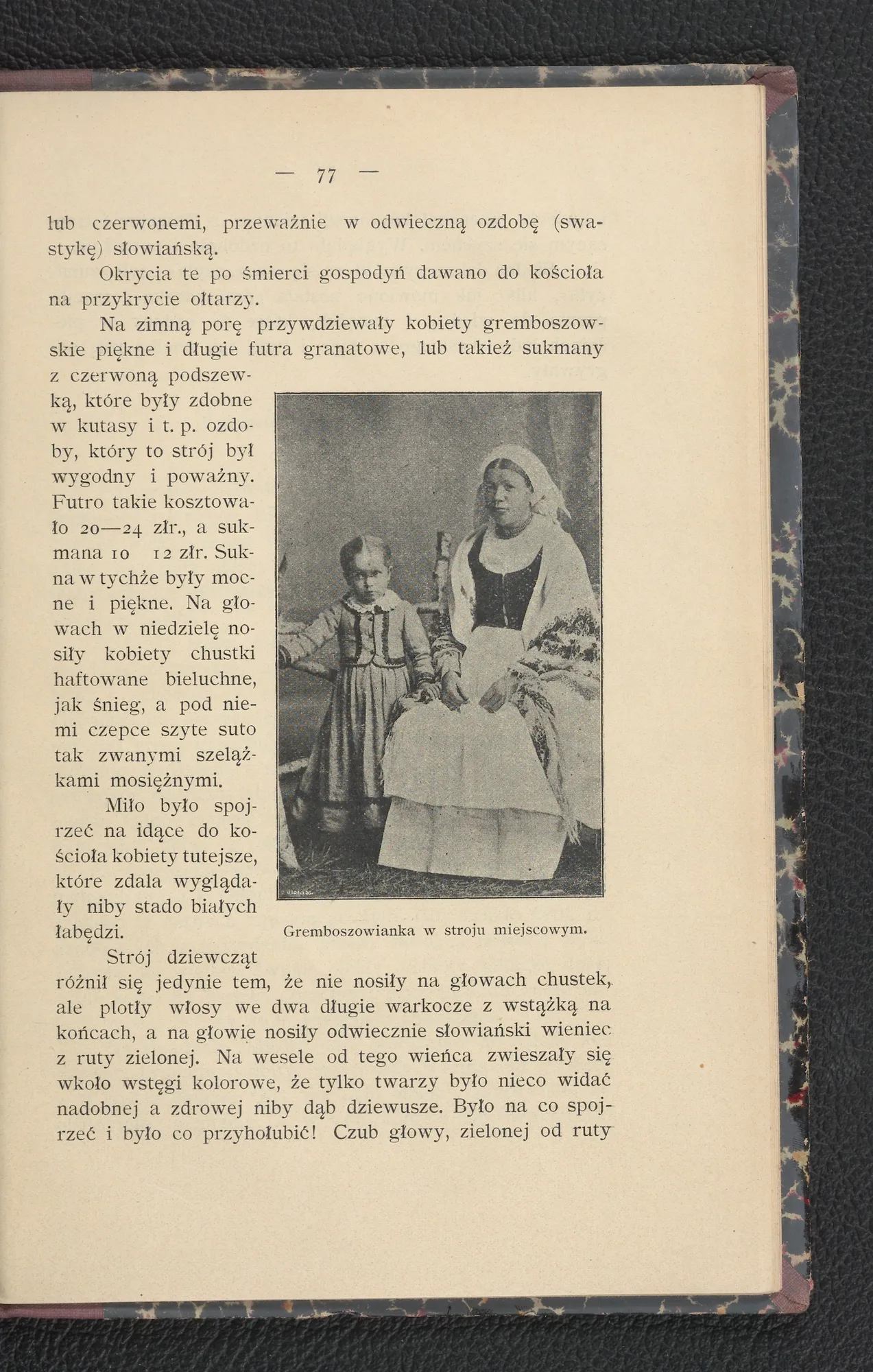
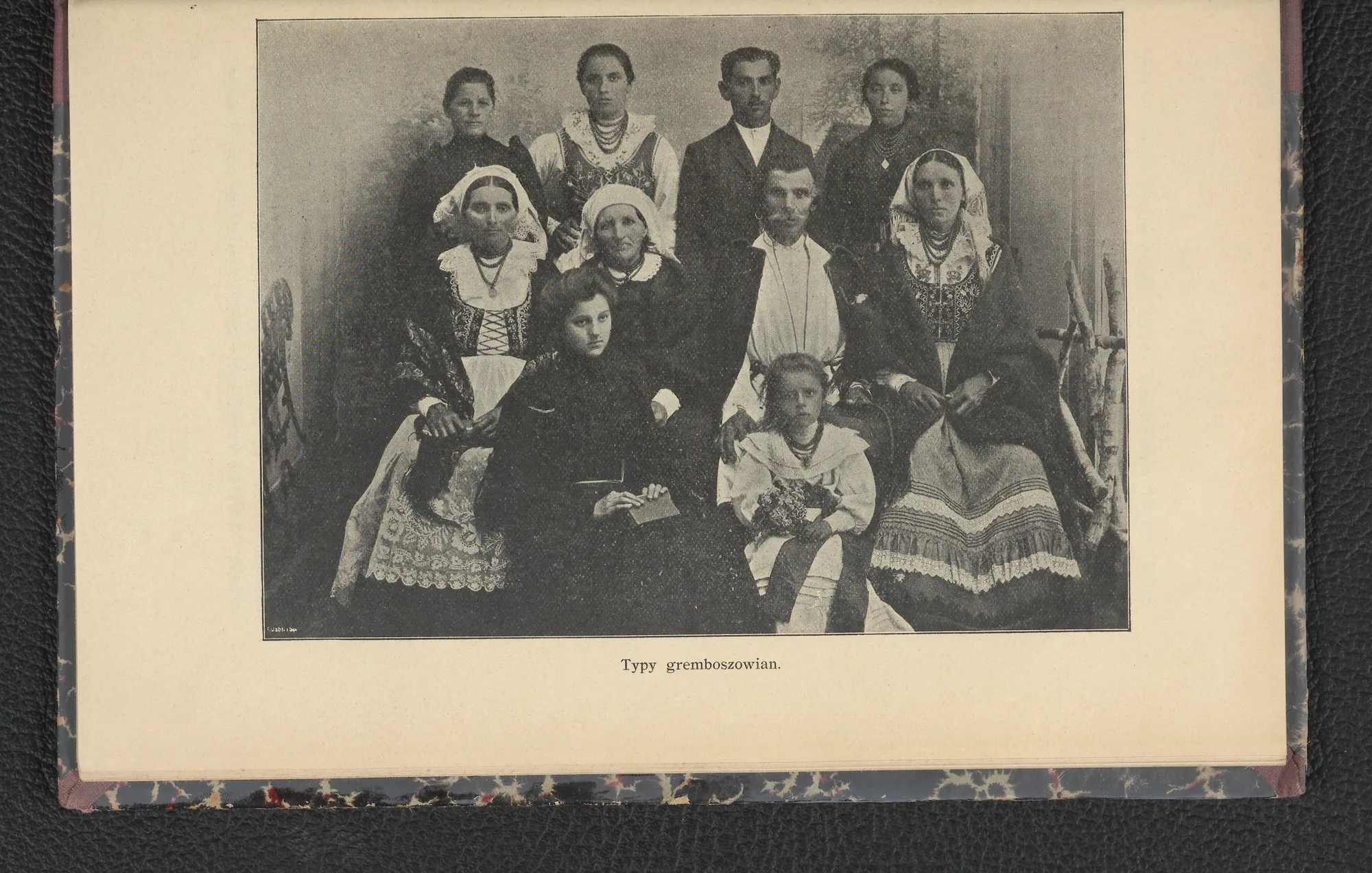
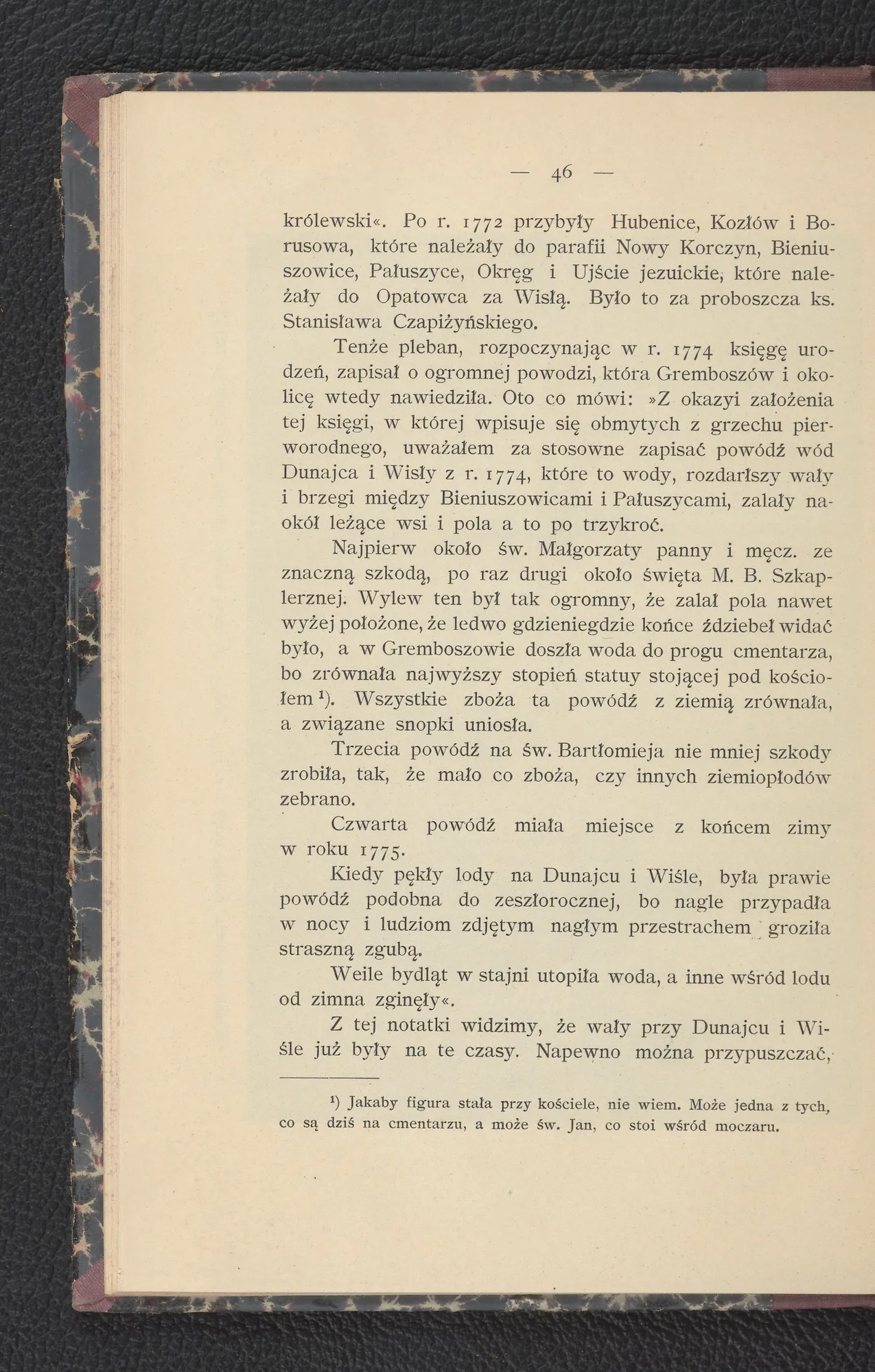
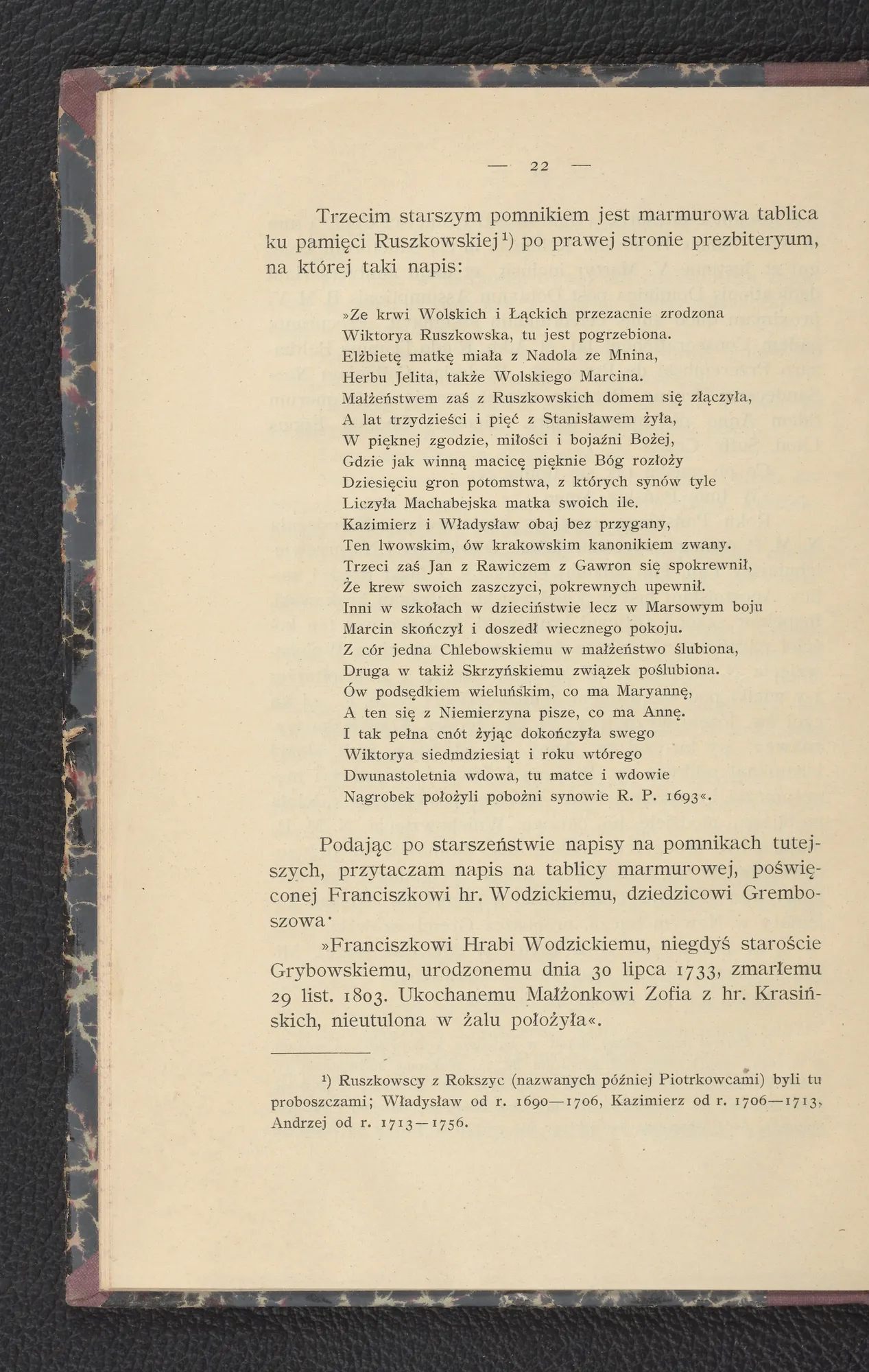
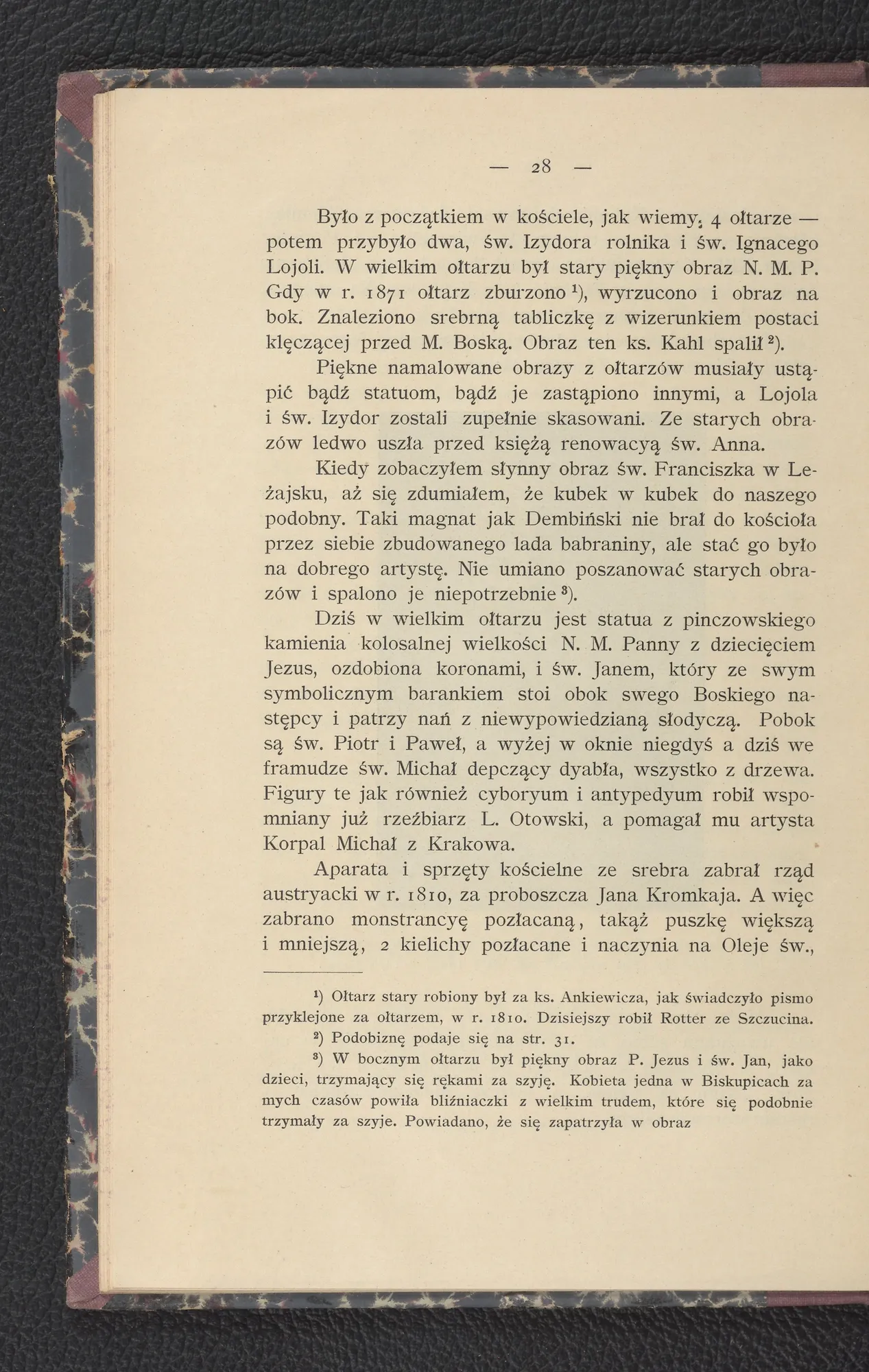
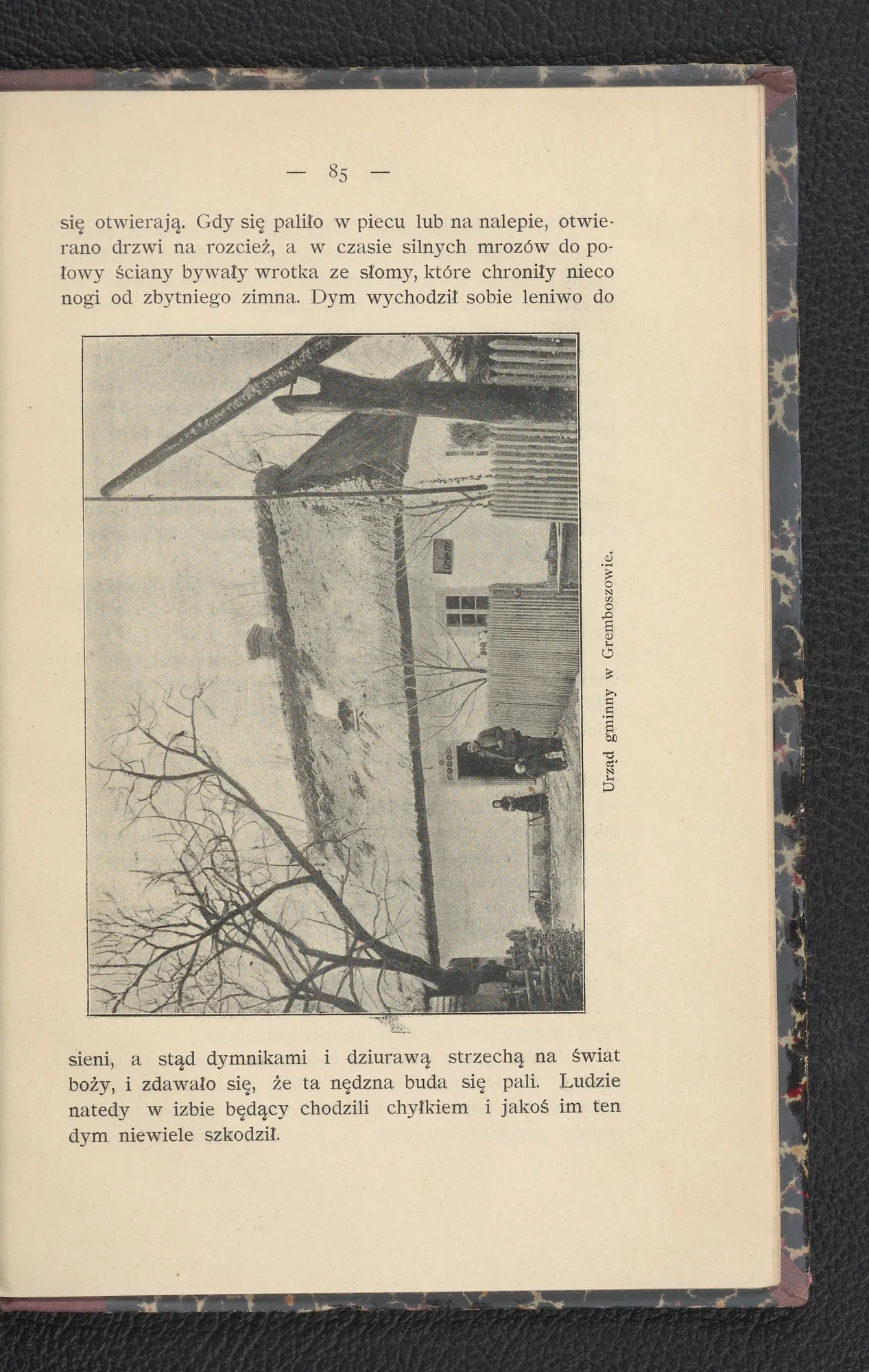
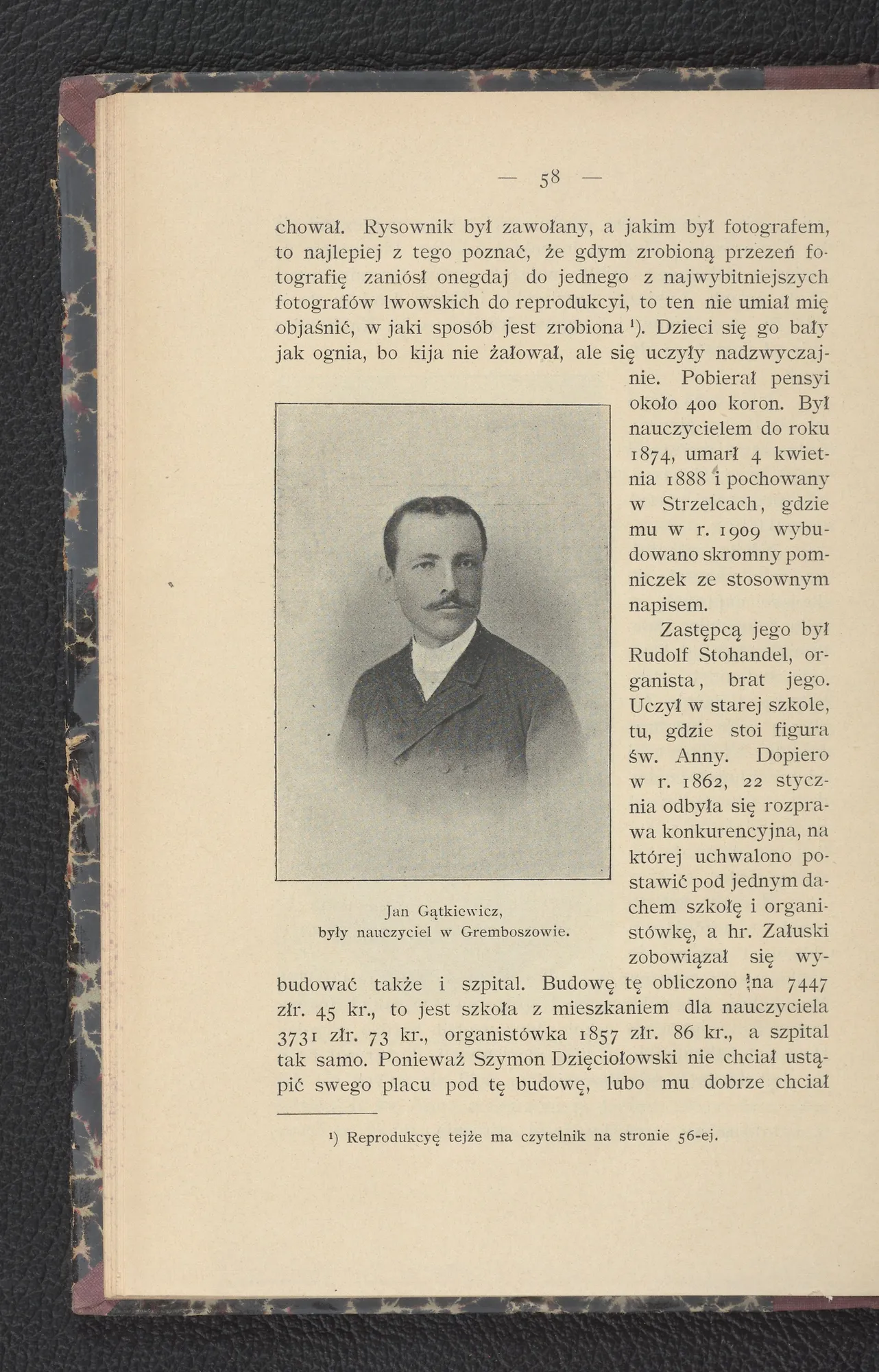
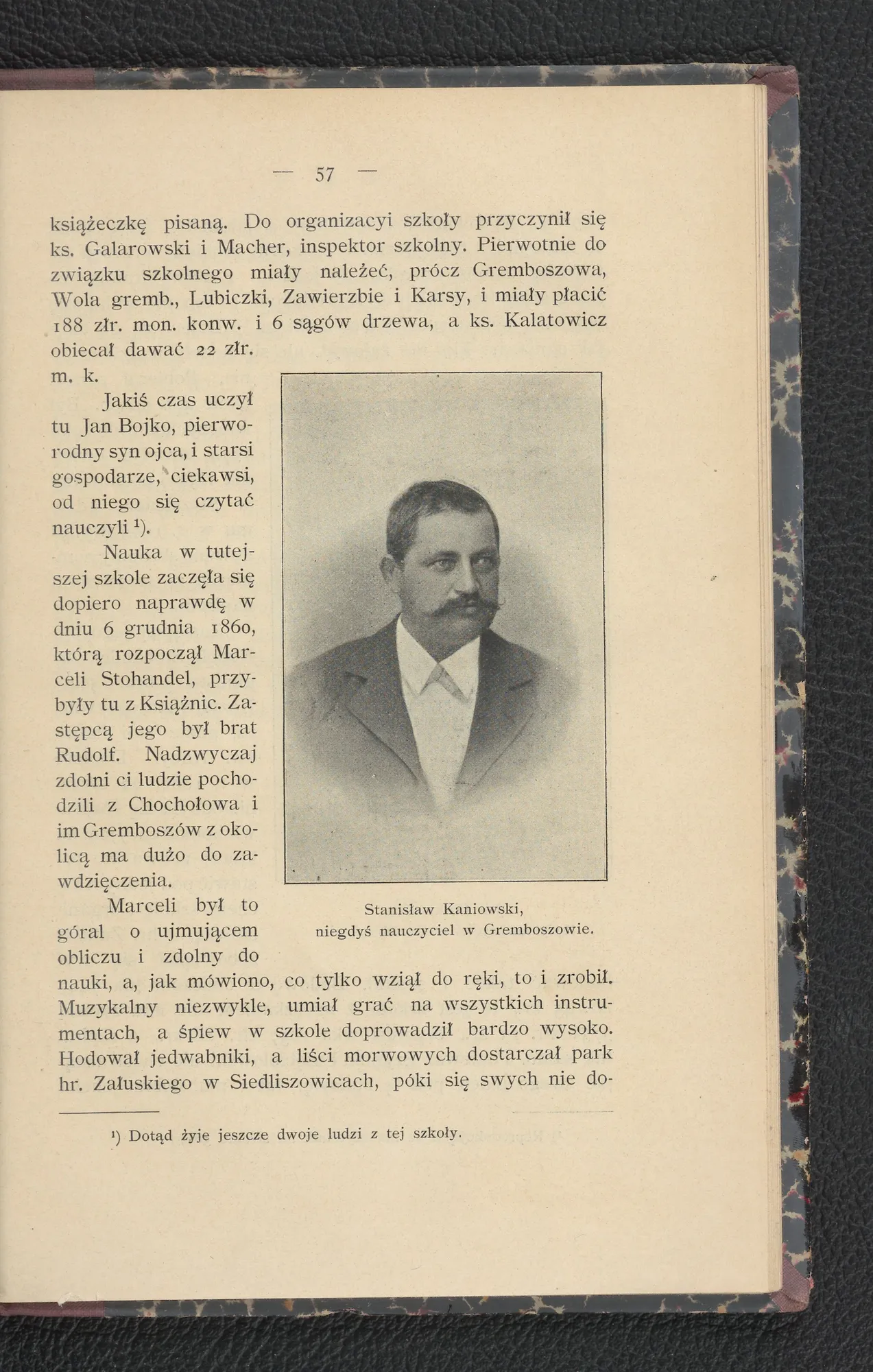
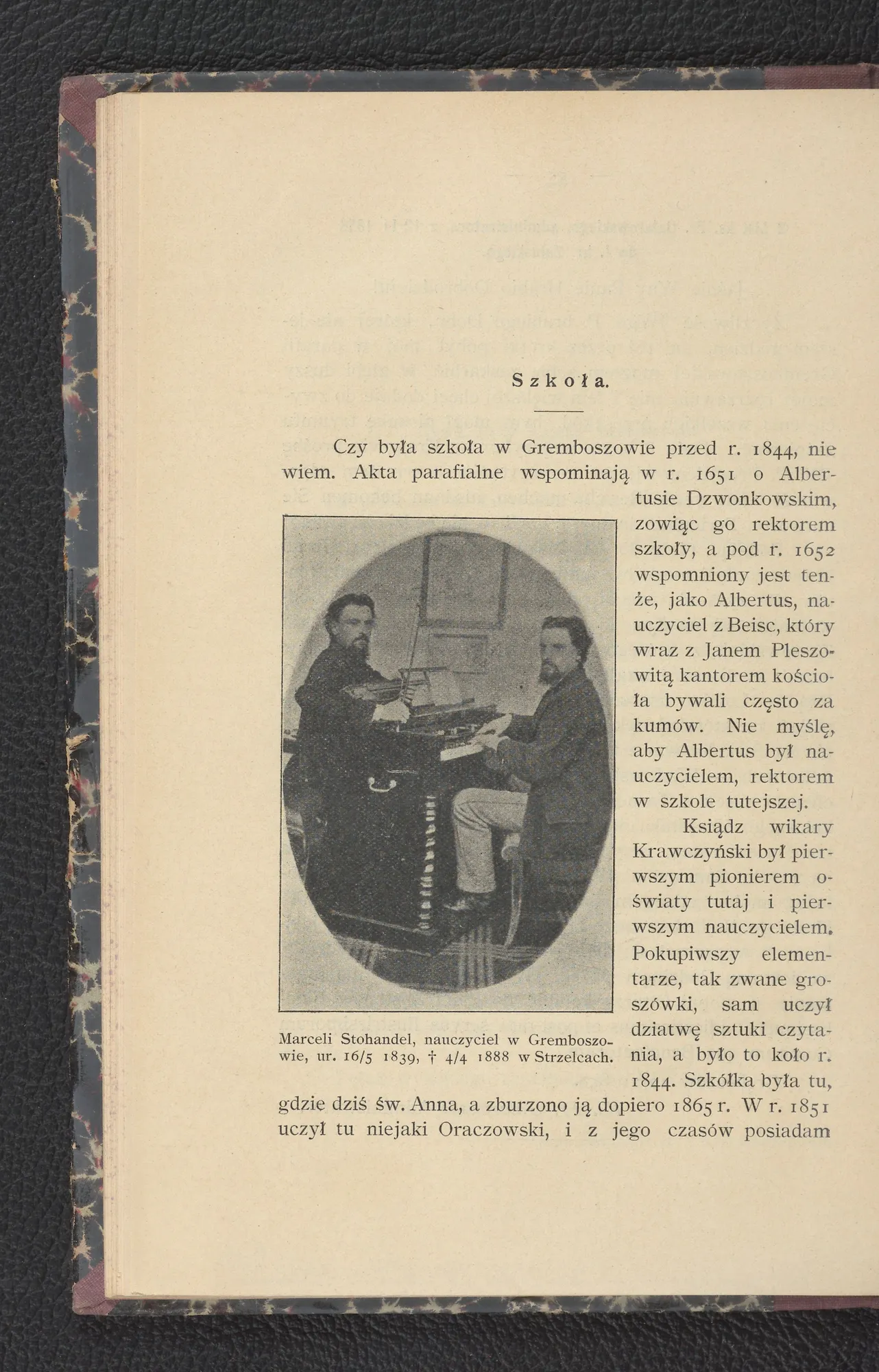
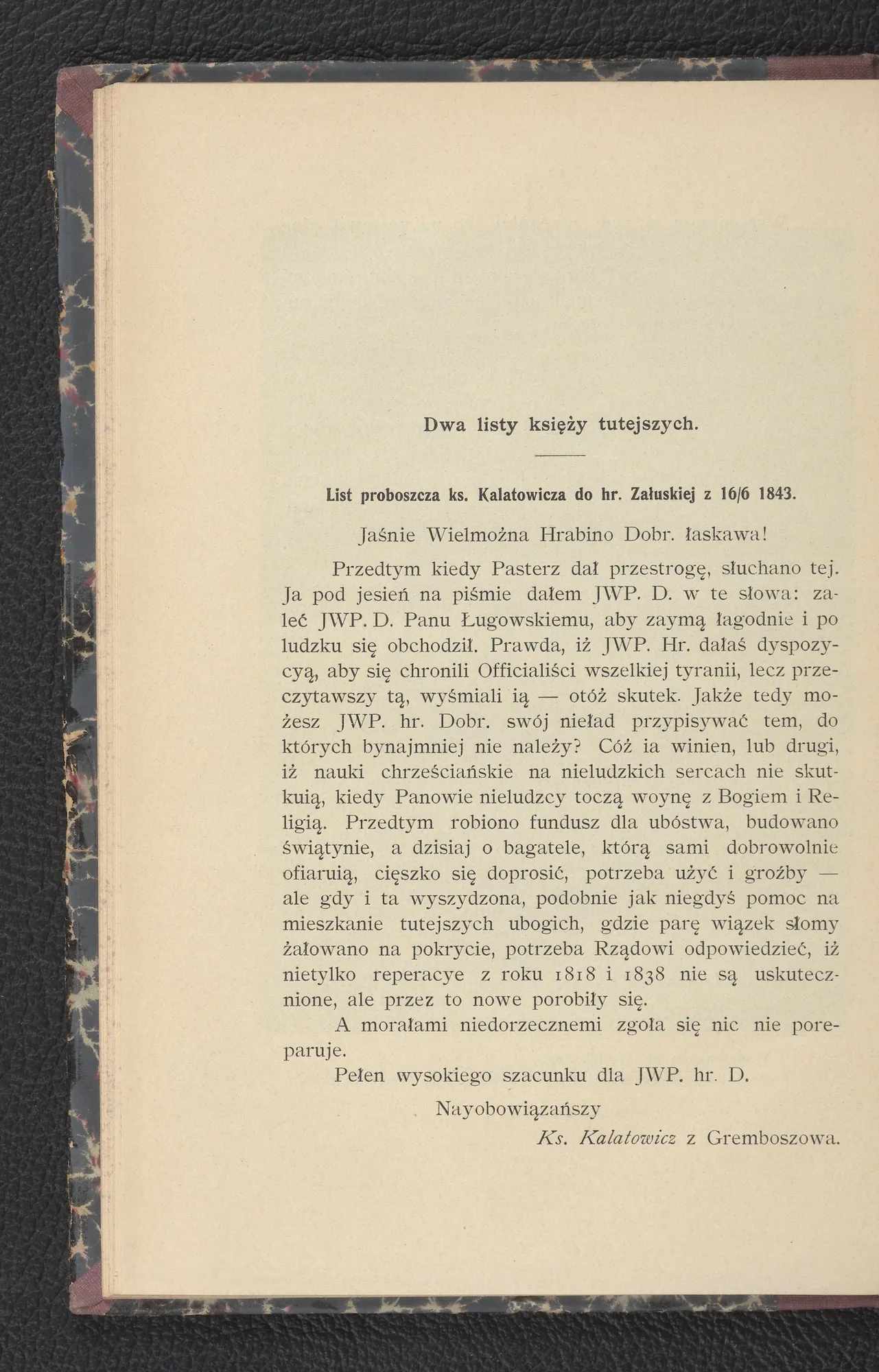
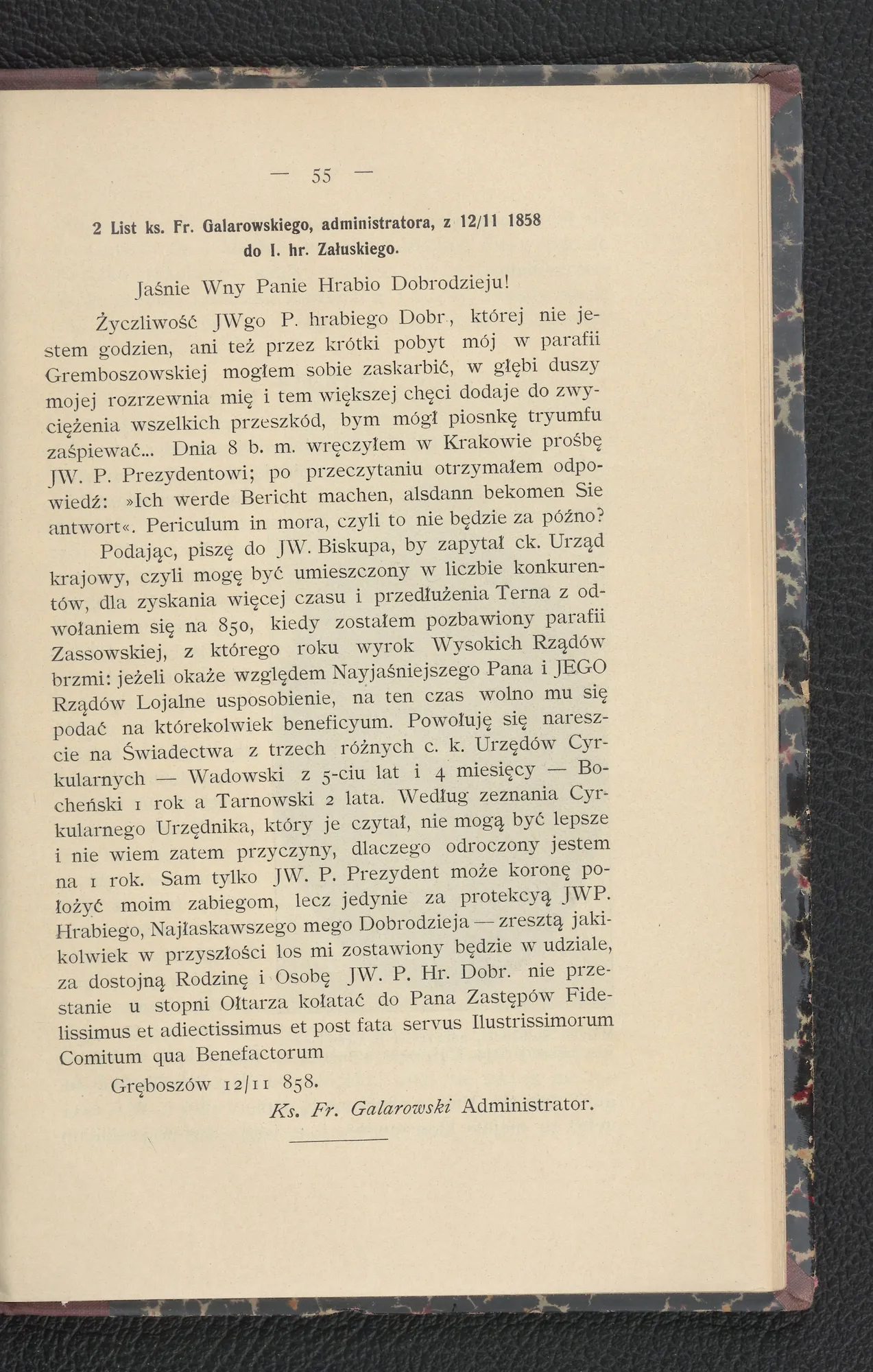
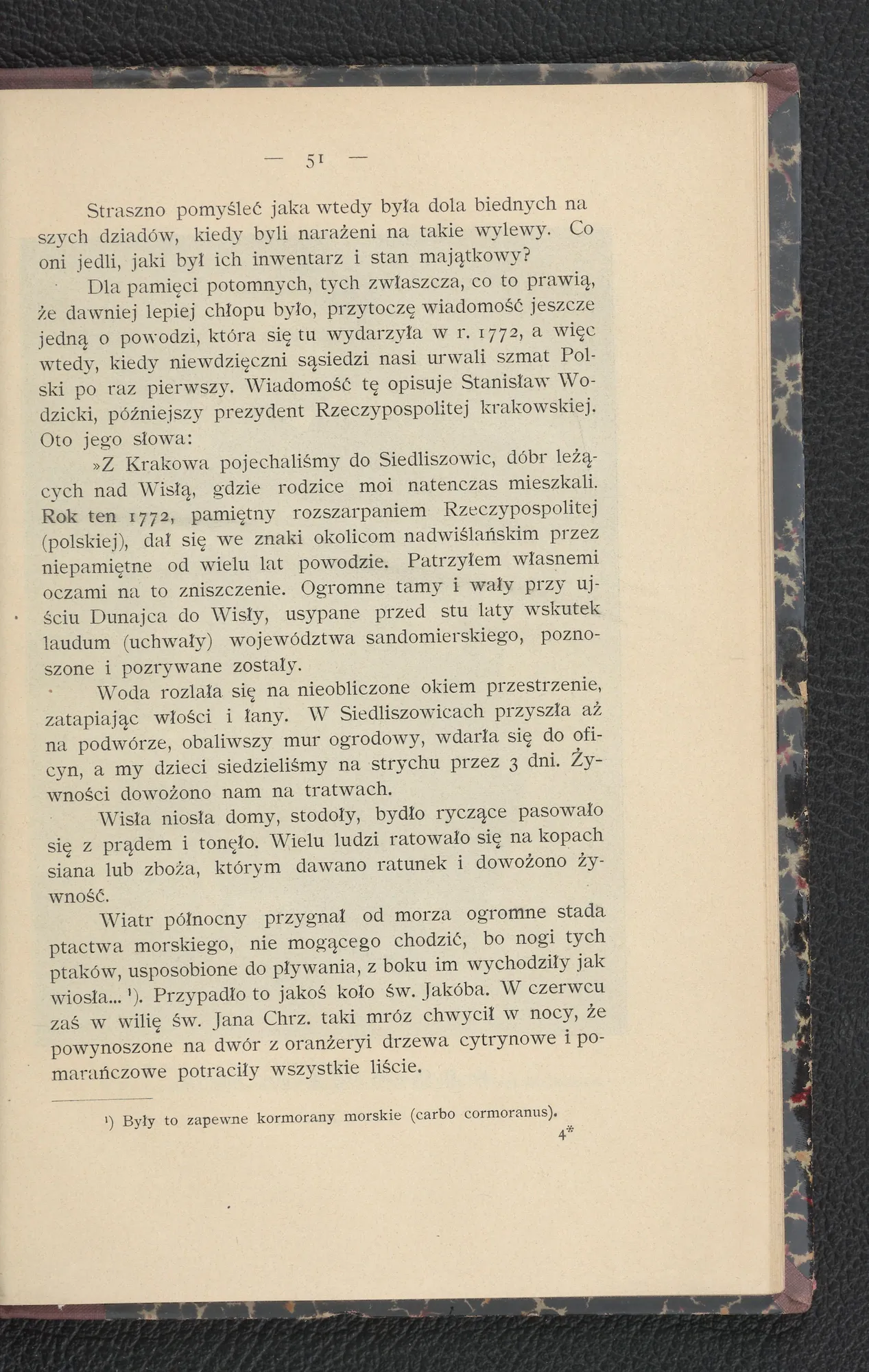
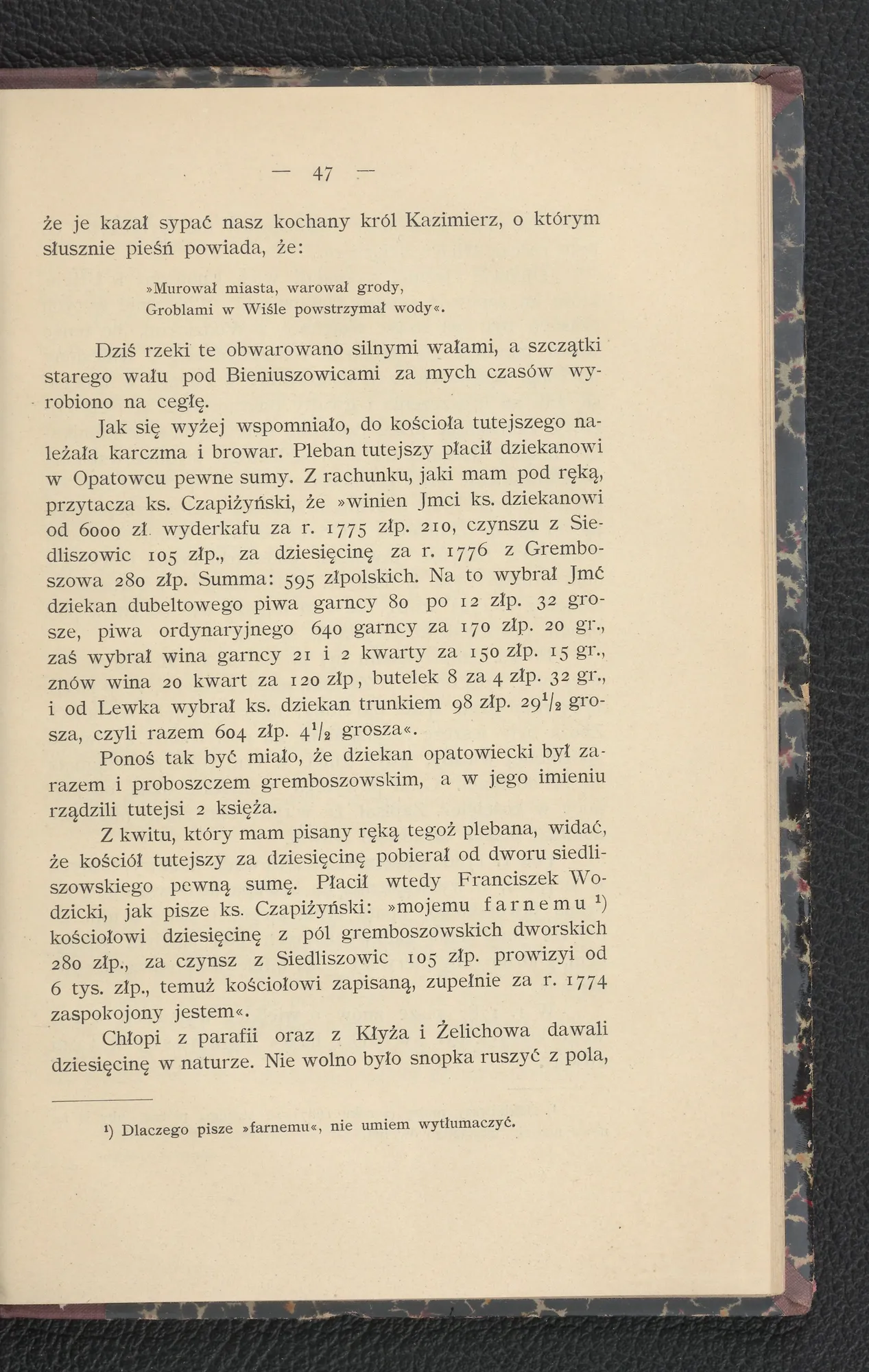
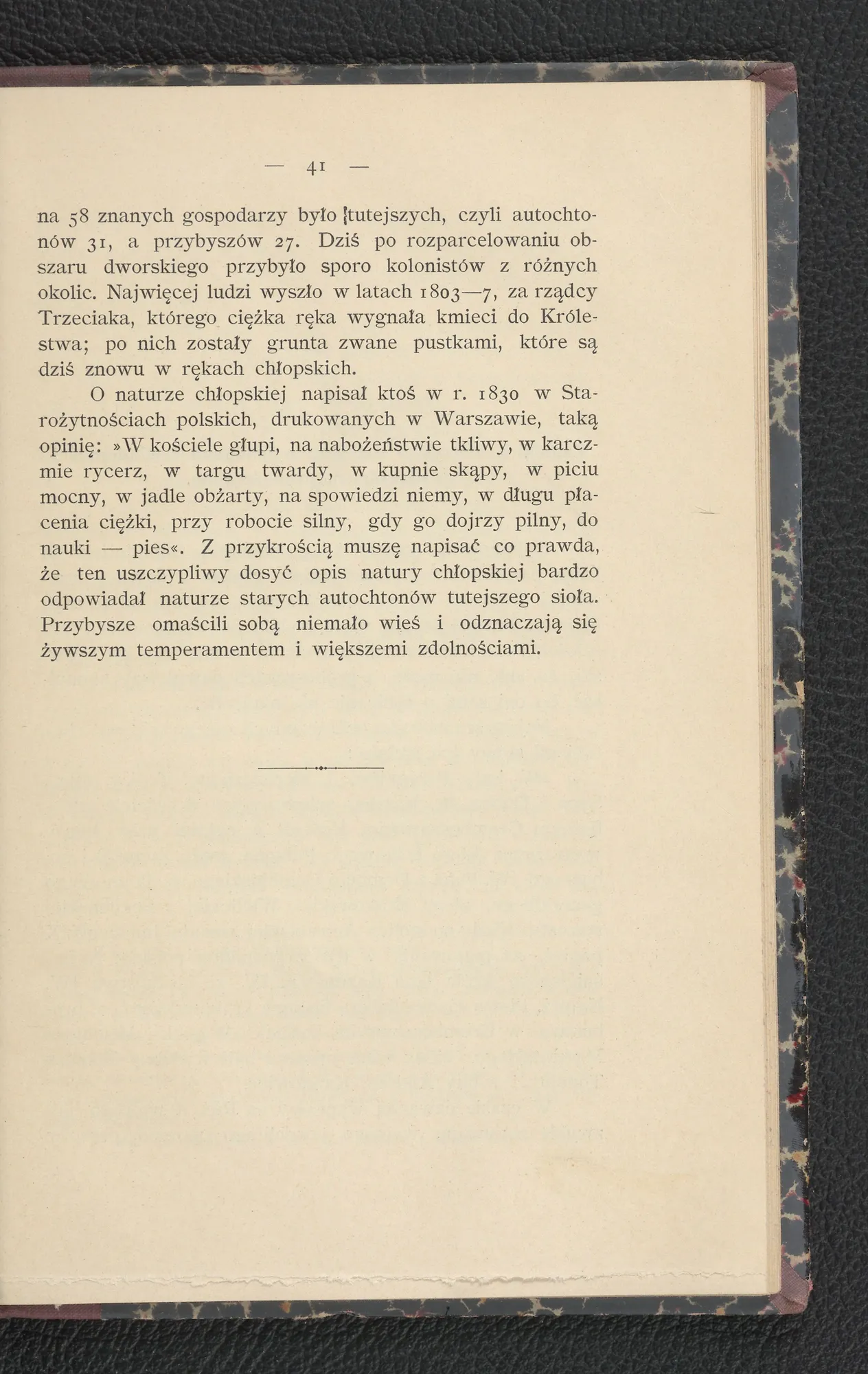
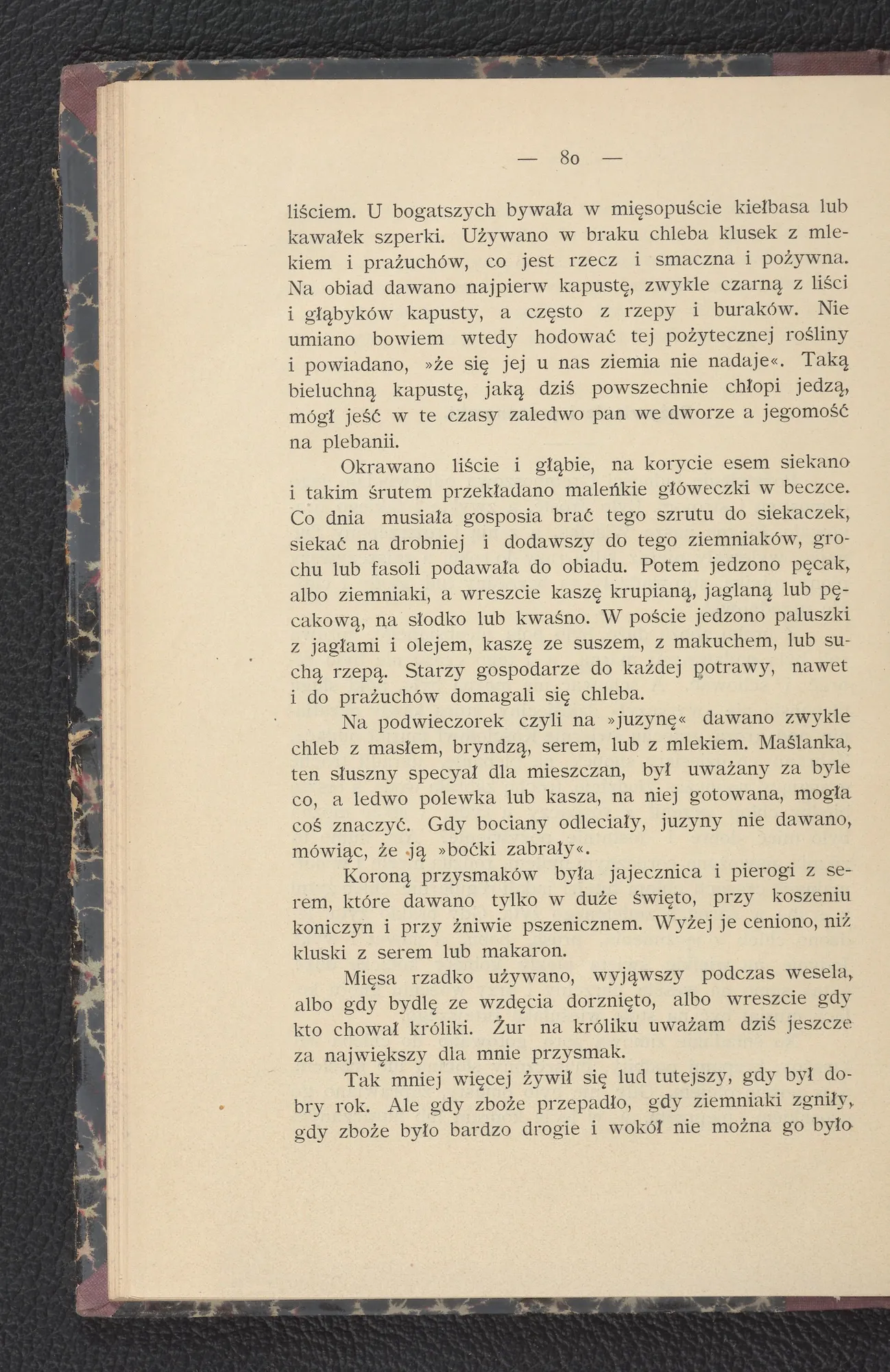
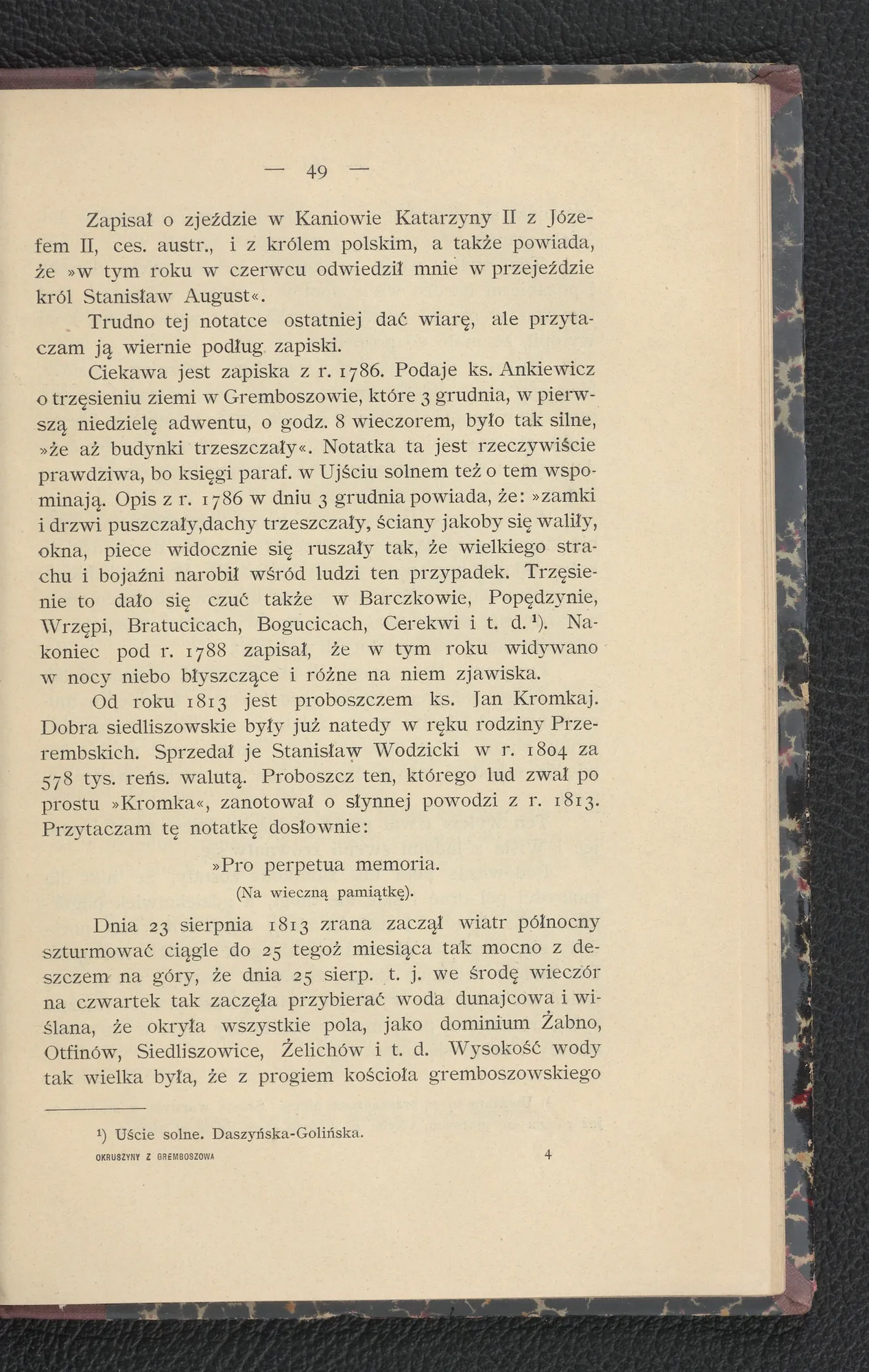
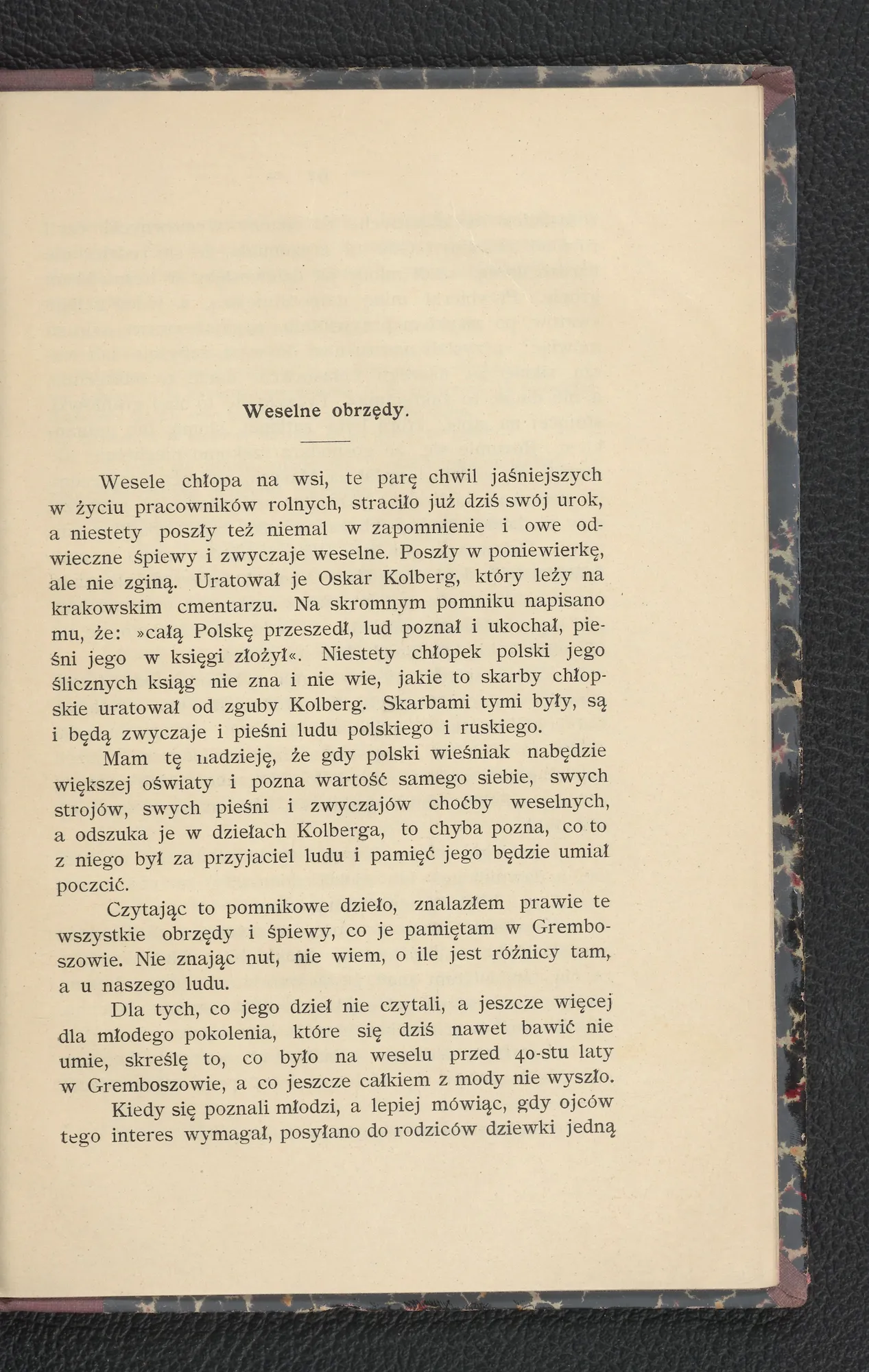
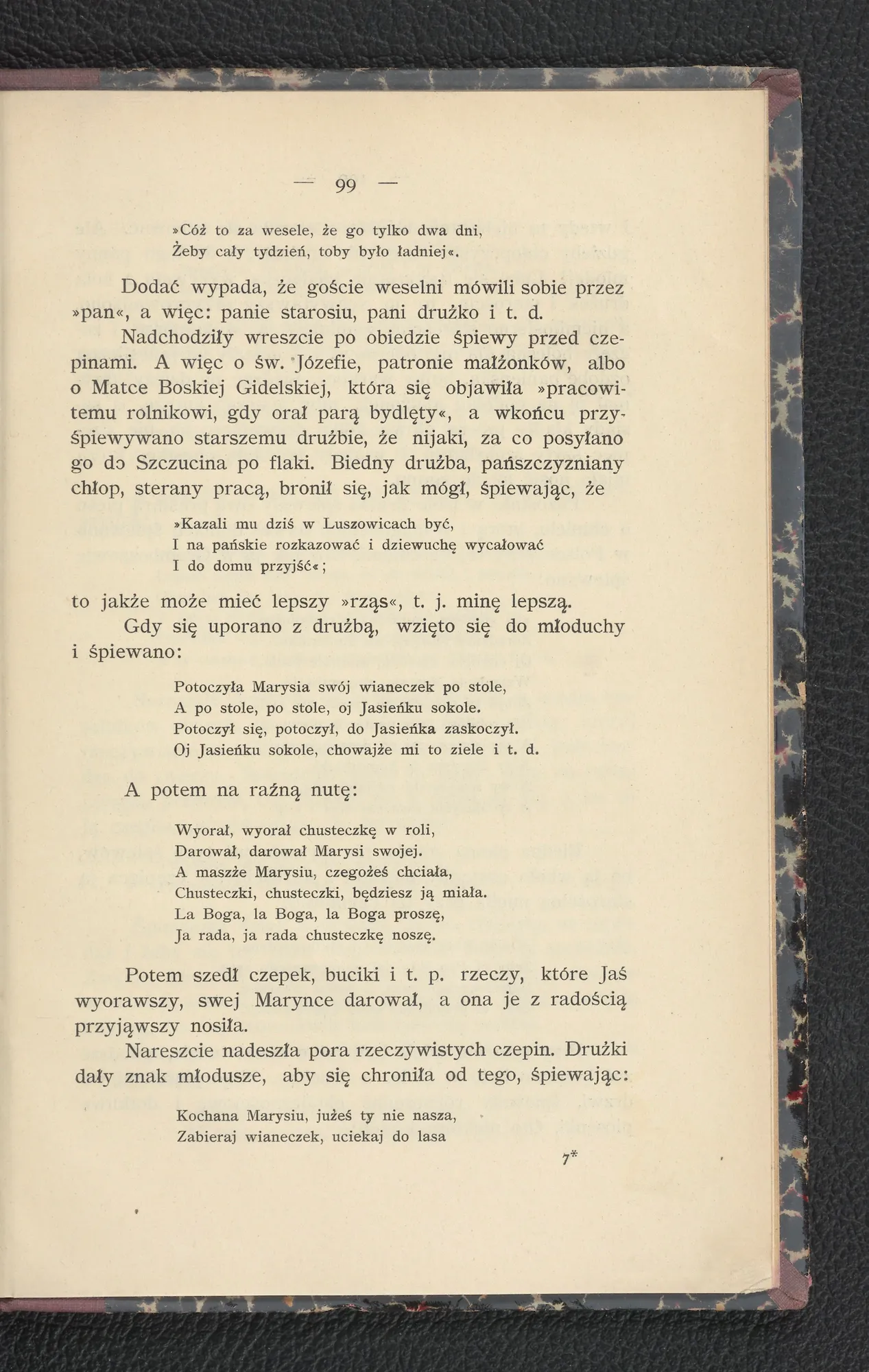
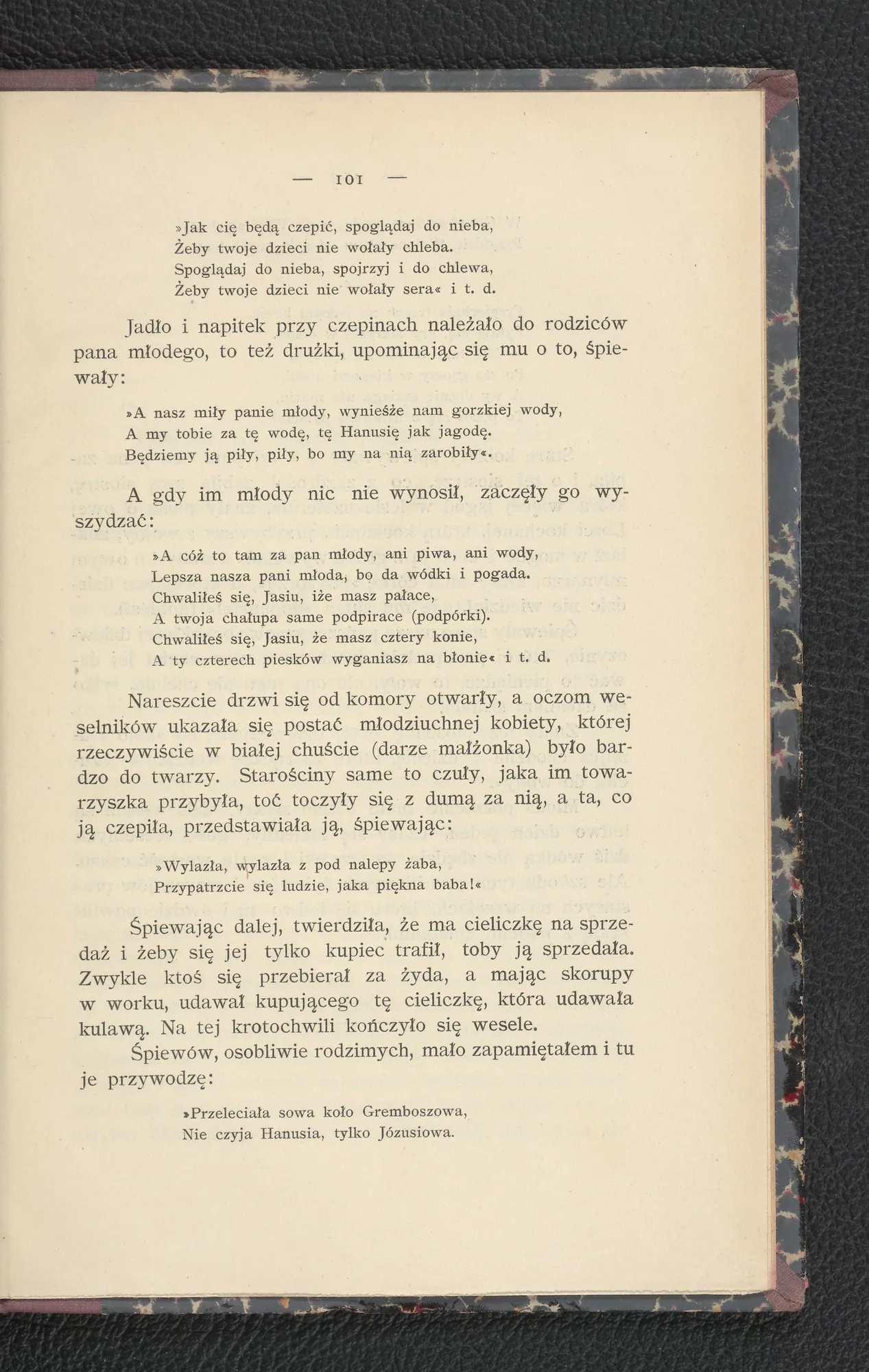
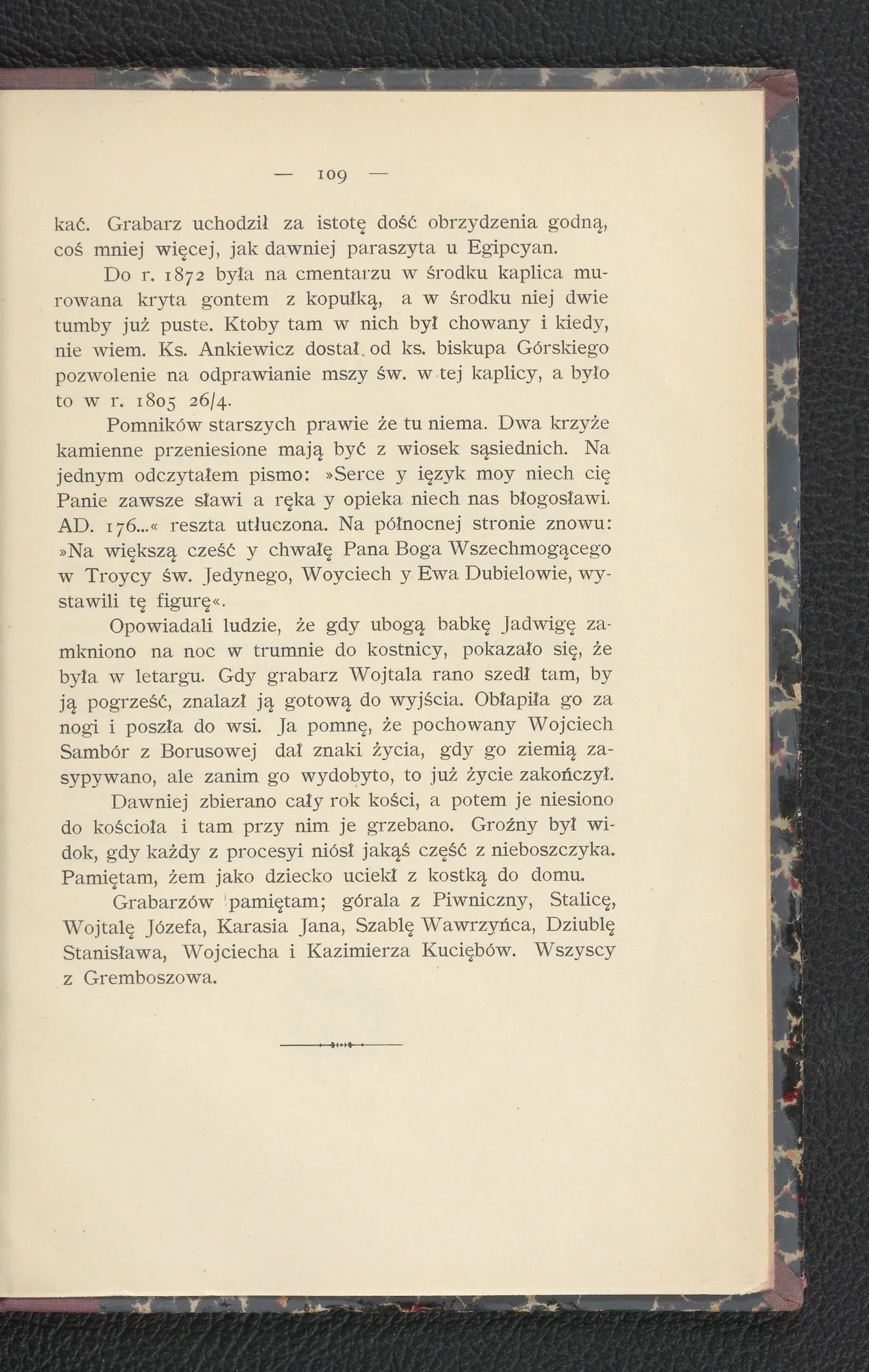
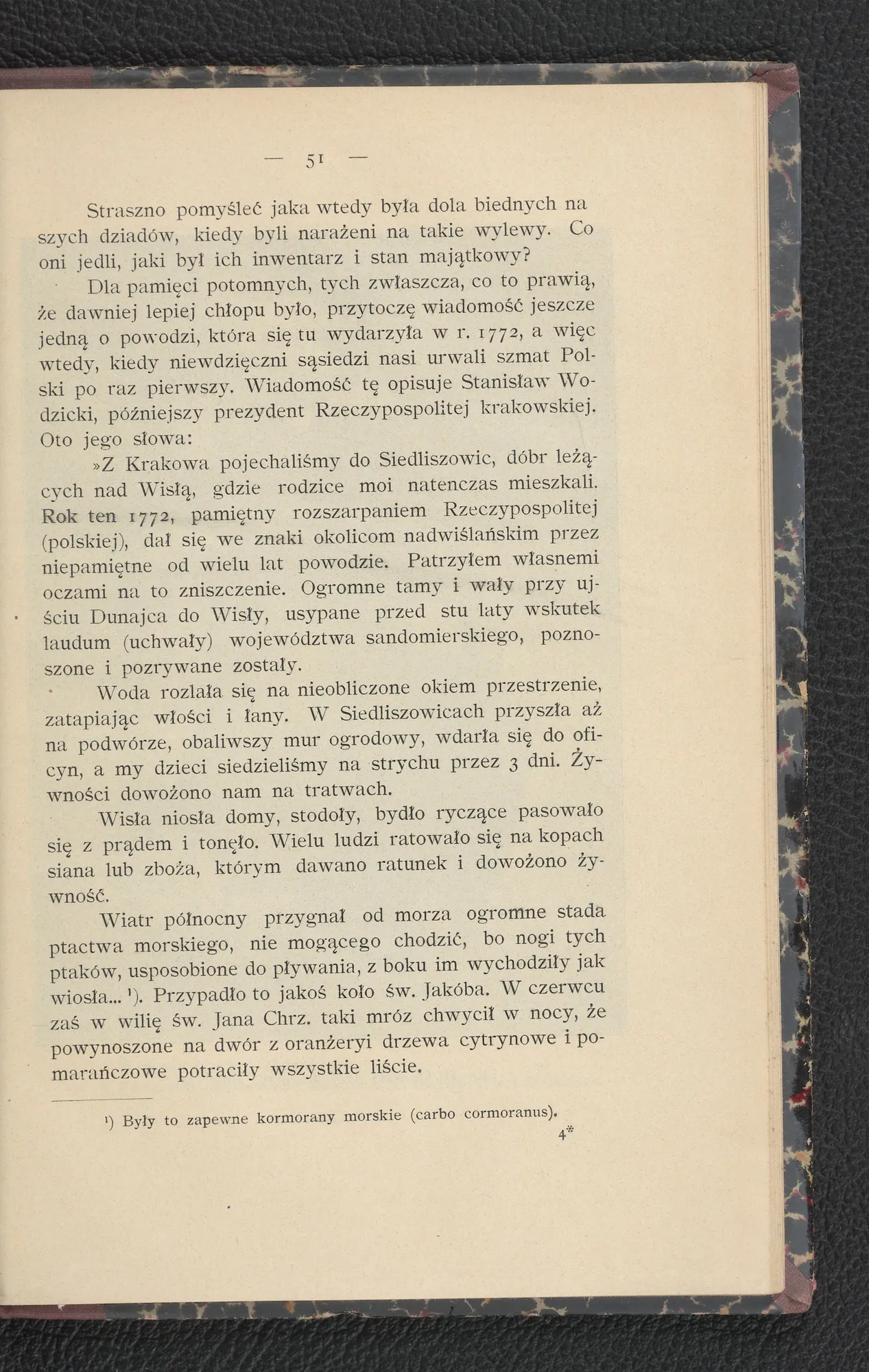
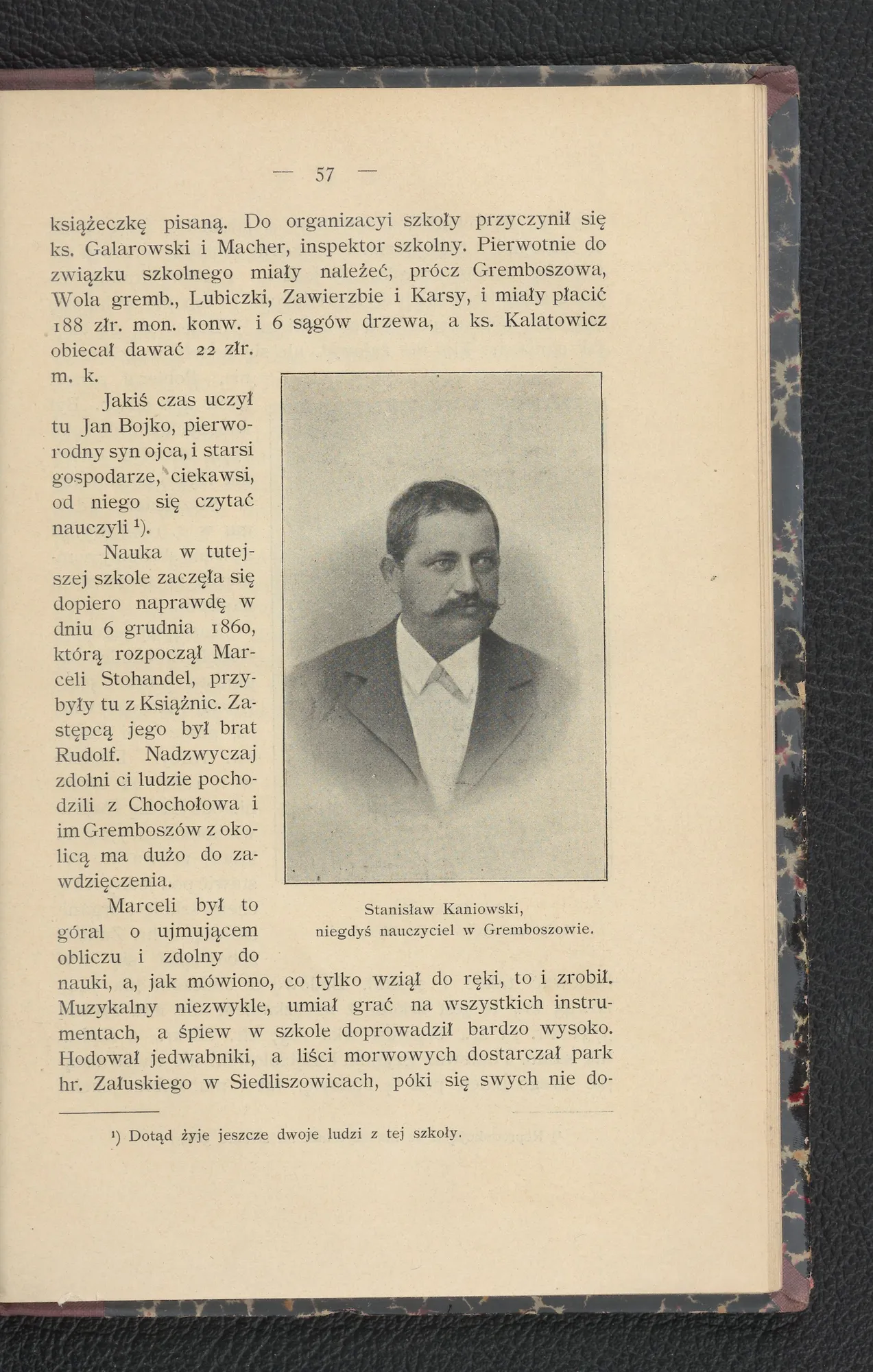
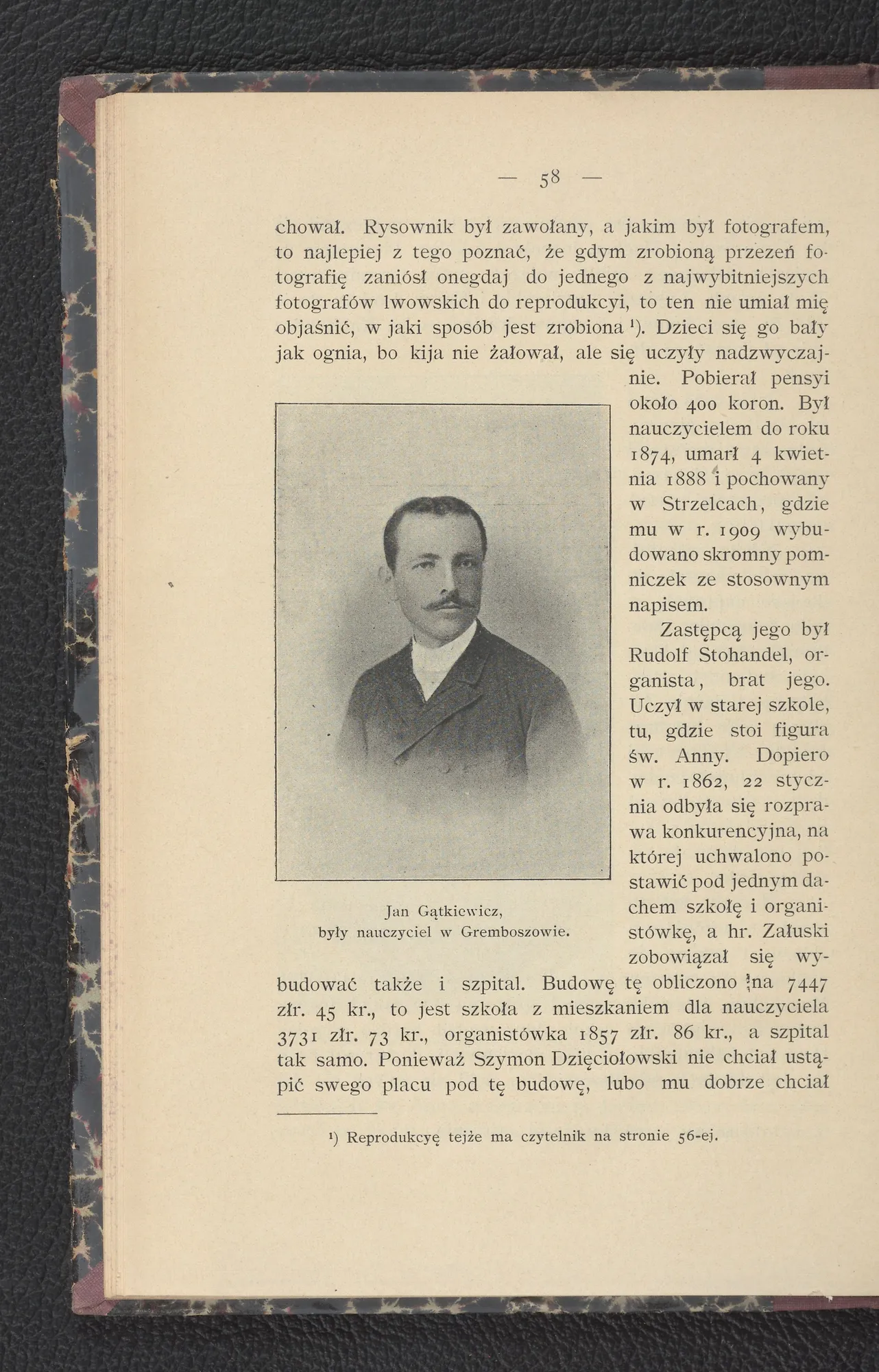
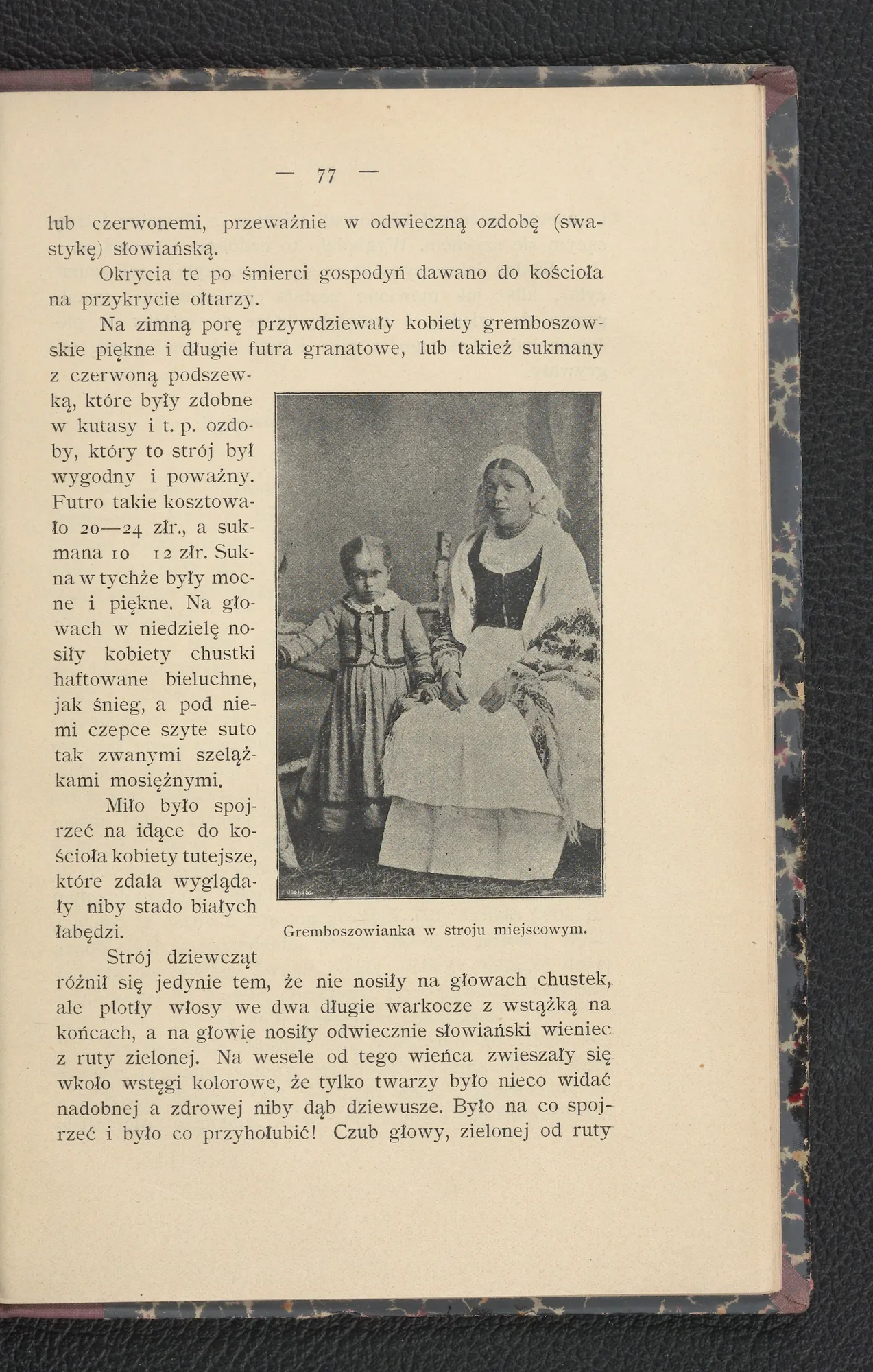
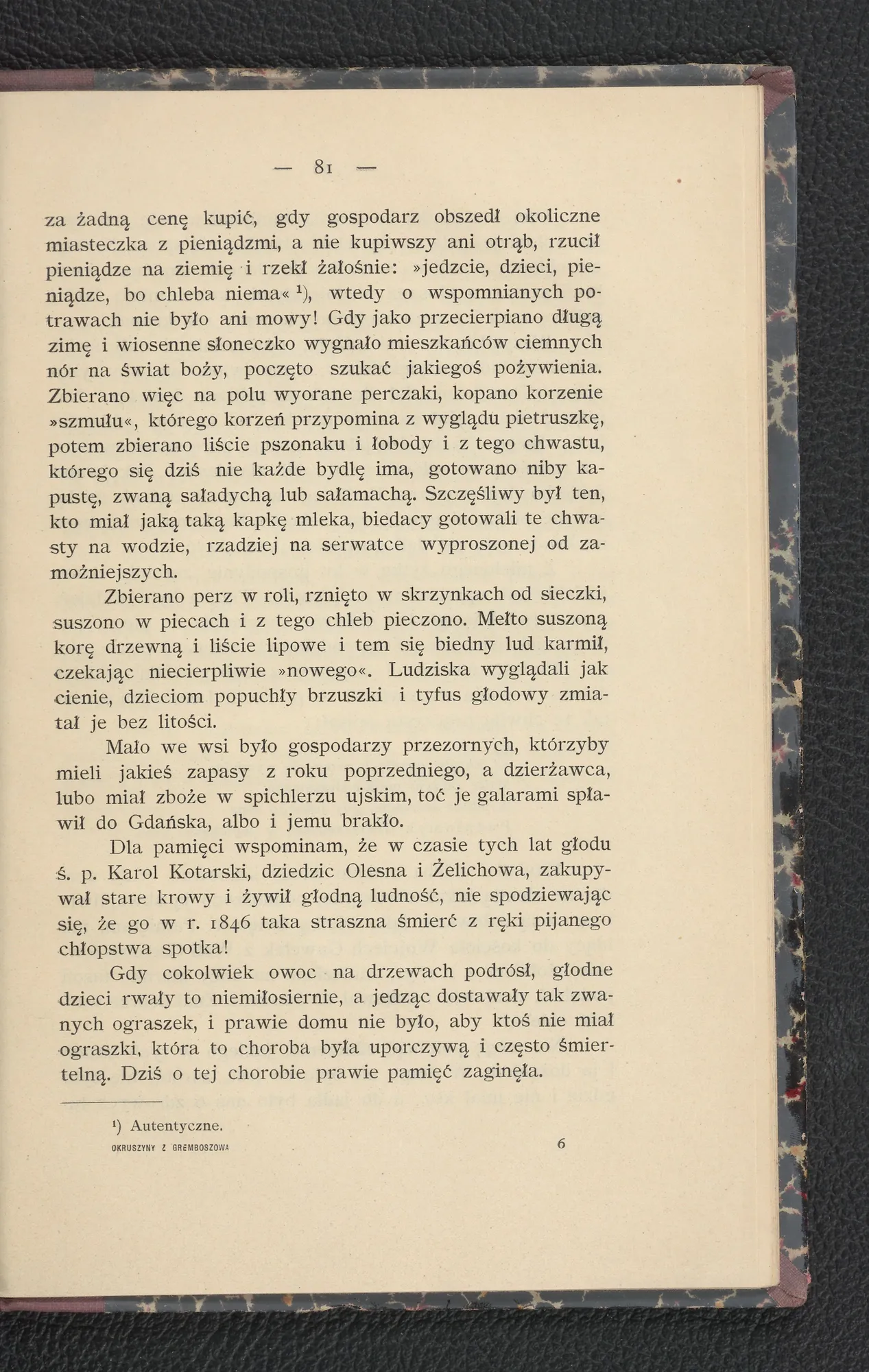
The second part of the monograph is a picture of everyday life: agriculture, crafts, the service of farmhands and farm workers, clothing and food (including pre-New Year's Eve and famine), rural houses and equipment, as well as rituals — baptisms, weddings with musical notation and song lyrics, chepins (cutting off the braid, the song "Oj chmielu"), polins and maidens, the feast of the Name of the Blessed Virgin Mary, superstitions during treatment, as well as funerals and the cemetery (former cemetery chapel). Boyko also gives statistics of the village (571 inhabitants, emigration to America) and church inventory from the Burzyński era. In the chapter on the church, he includes an engraving of the old castle in Dąbrowa and a view of Opatowiec (map 1735), commemorative plaques of Ruszkowska and Count Wodzicki, a description of the altars (m.in. works by L. Otowski) and a portrait of the parish priest Henryk Otowski (d. 1892). In the registers, he cites the floods of the Dunajec and Vistula rivers (1774–1775) and the changes in the parish boundaries after 1772. The monograph also contains photographs of folk costumes and types of Gremboszów residents. Separate chapters are devoted to the school (from the rector of 1651 to the teachers of the nineteenth century), parish records with records of parish priests — m.in. Henryk Otowski (1858–1892) — and letters of priests (m.in. to Countess Załuska, 1843). Bojko also mentions the funeral of General Józef Count Załuski (1866) — the cost of 774 zlotys. in Gręboszów.
Cf. Dembiński Foundation, Neo-Baroque altars, Sarcophagus of General Załuski, Partition of Galicia, Noble families, Old Polish village in 1579, Social structure of the village, Estates landownership, Folk schools in the commune, Agricultural Circle (1890), Agricultural tools, Peasant farm, Regional costume, Sourdough bread, Music and rituals, Feast parish, Parish Cemetery, WNMP Church and the profile of Jakub Bojka in the Sons room.
More on the municipality website: greboszow.pl