item
Prehistory of the Sandomierz Basin
Added to the collection:
Glacier, Vistula and Dunajec — settlement from the Palaeolithic to Roman influences in the commune.
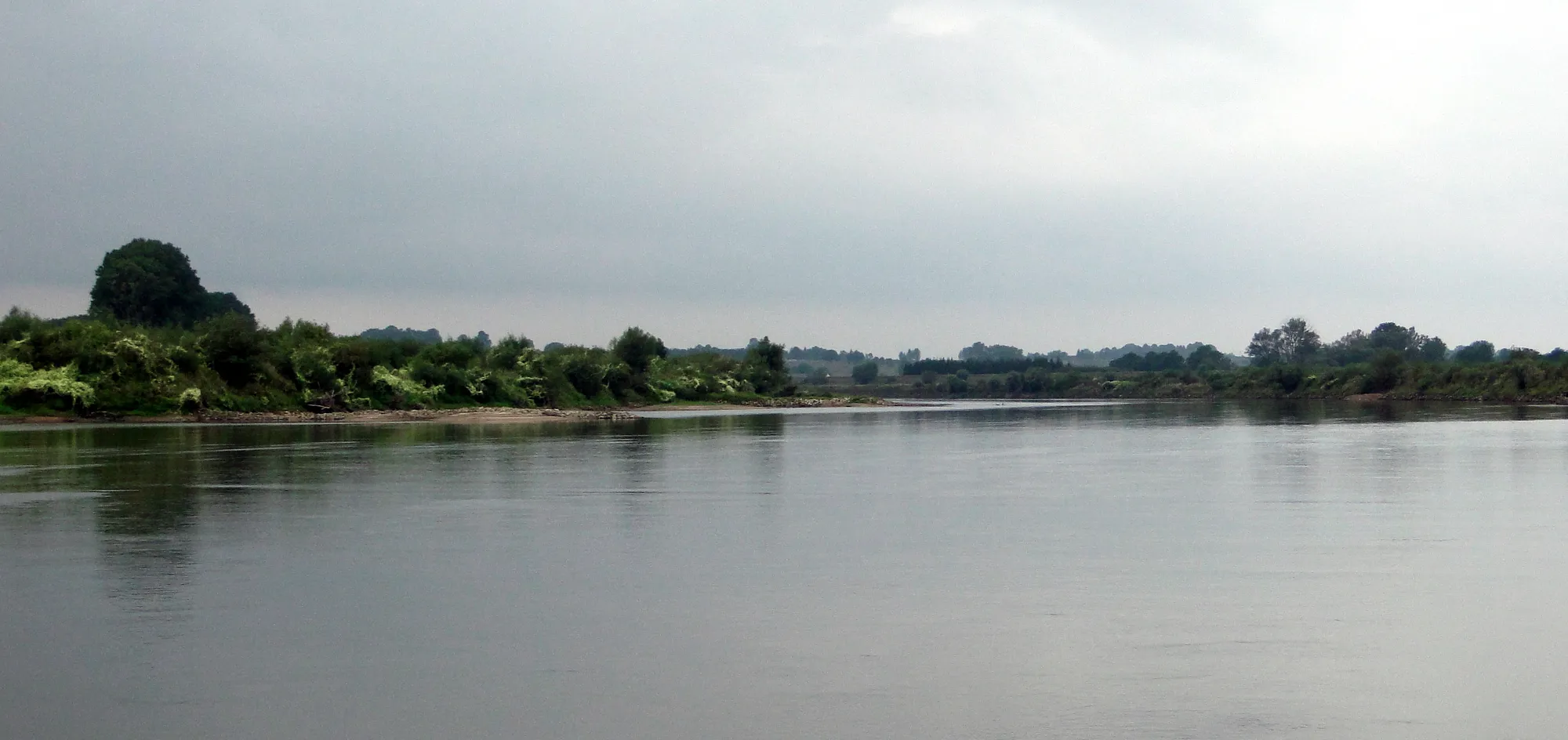
The Sandomierz Basin was shaped by the retreat of the glacier and the warming of the climate after the ninth millennium BCE. Along the Vistula and Dunajec rivers — natural migration routes — camps were established on low river terraces (access to water and game). Subsequent groups of hunters arrived in Poland: m.in. Tarnów (from the west) and the Świder culture (end of the Palaeolithic).
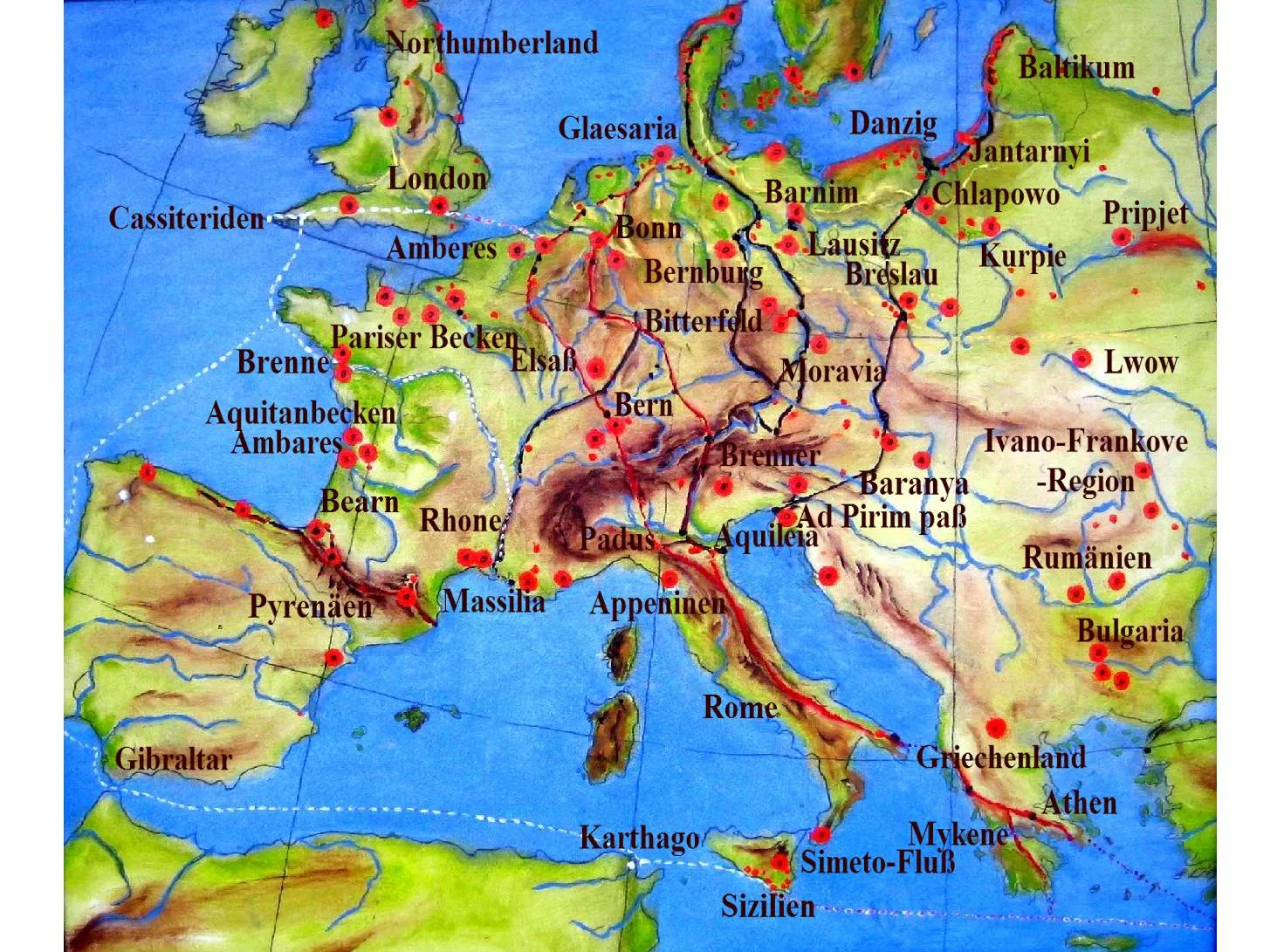
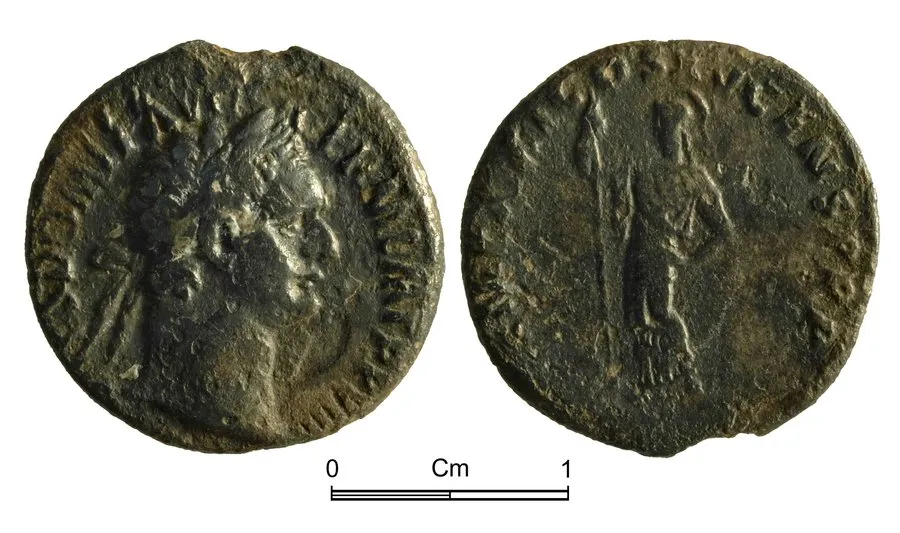
At the beginning of the Neolithic, nomadic tribes were absorbed by settled agricultural and livestock groups from the Danube basin — archaeology speaks of the "Neolithic Revolution". In the Bronze Age, the Lusatian culture developed (agriculture, livestock, ceramics); in the IV–1st centuries BCE, the Celts settled (dymarki); in the 1st–IV centuries AD — Roman contacts (amber route, coins).
The area of the modern commune Gręboszów lies at the junction of these routes. In 1897, four Roman denarii were discovered in the village — a trace of the trade in amber and goods of the south (details in the exhibit Roman denarii).
In the sixth century, the Slavs arrived; in the Middle Ages, the state of the Vistula (subordinated to Moravia, then to the Czechs, from 990 in Poland of Mieszko I) operated. The first written mention of Gręboszów dates back to 1287 (the property of the Nieczuja family) — a bridge to the card Old Polish Village in 1579.
More on the municipality website: greboszow.pl