item
Peasants, homesteaders, bailiffs — an old Polish village
Added to the collection:
The socio-professional division of the village in 1579 — peasants, bailiffs, fields, self-government under German law.
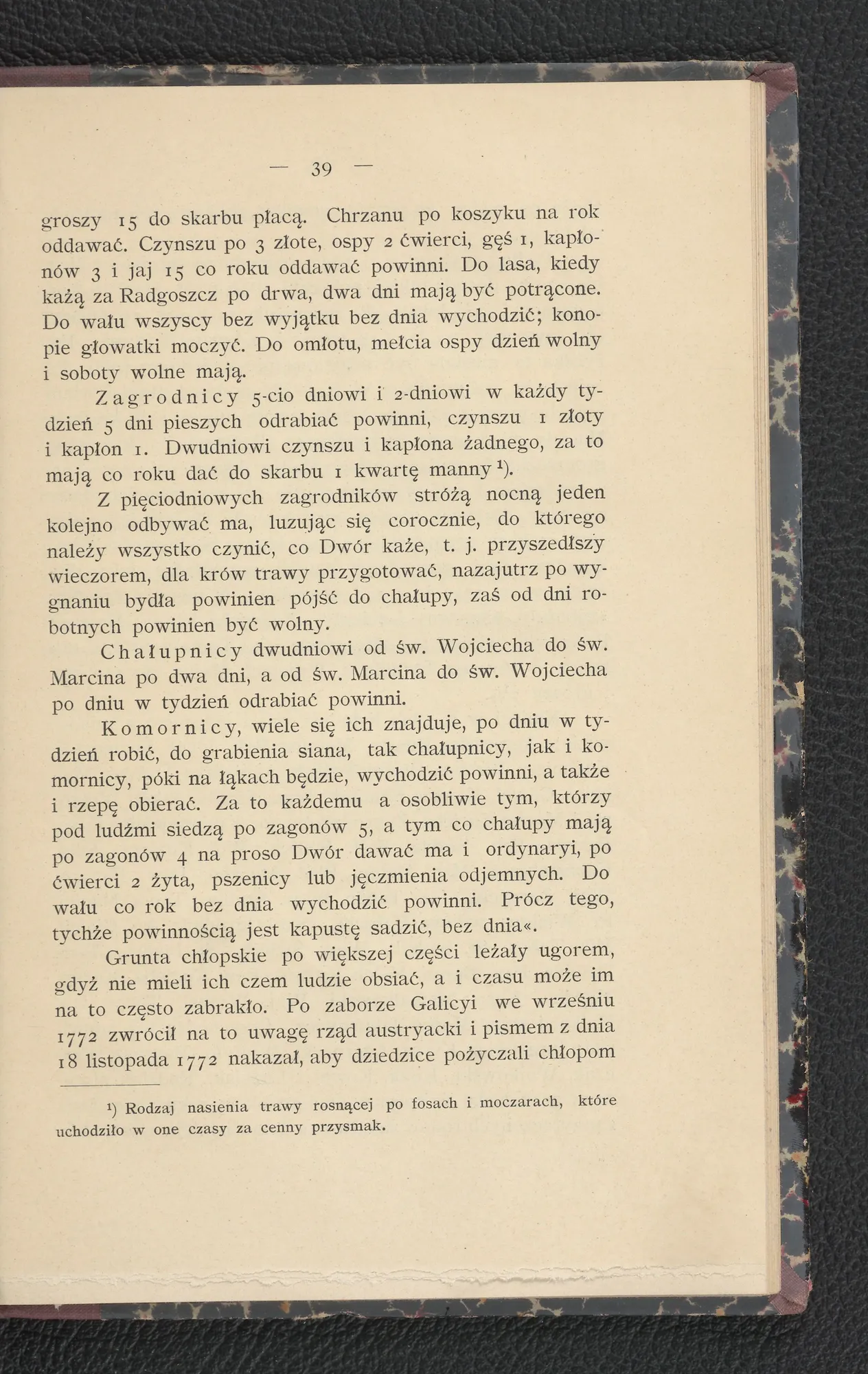
During the period of the manor and serf economy, the village was divided into social groups with different rights and obligations towards the manor:
- peasant — a farm with land, rent and serfdom;
- homesteads — a smaller homestead, pedestrian serfdom or rent;
- cottagers — without land, work for others;
- bailiffs — without land and cottage, living "in a chamber" with a rich farmer (in the registers
1579 a distinction was made between bailiffs with and without cattle);
- beggars — without property.
The beginnings of rural self-government are associated with German law: sołtys (mayor) with hereditary law, inn, slaughterhouses and village bench (lay court). The terms "mayor", "sołtys" and "jurors" have survived in the Polish system to this day.
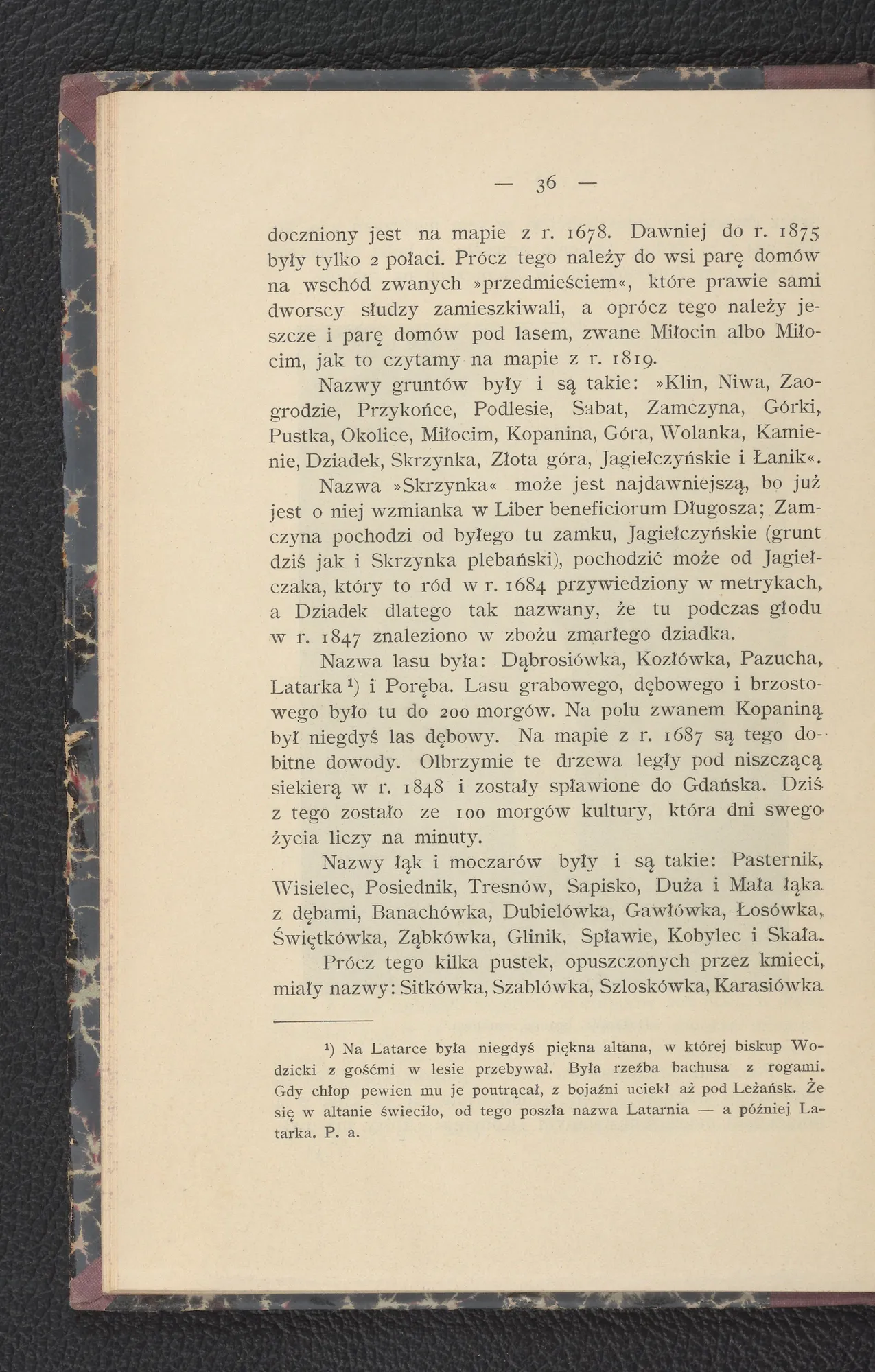
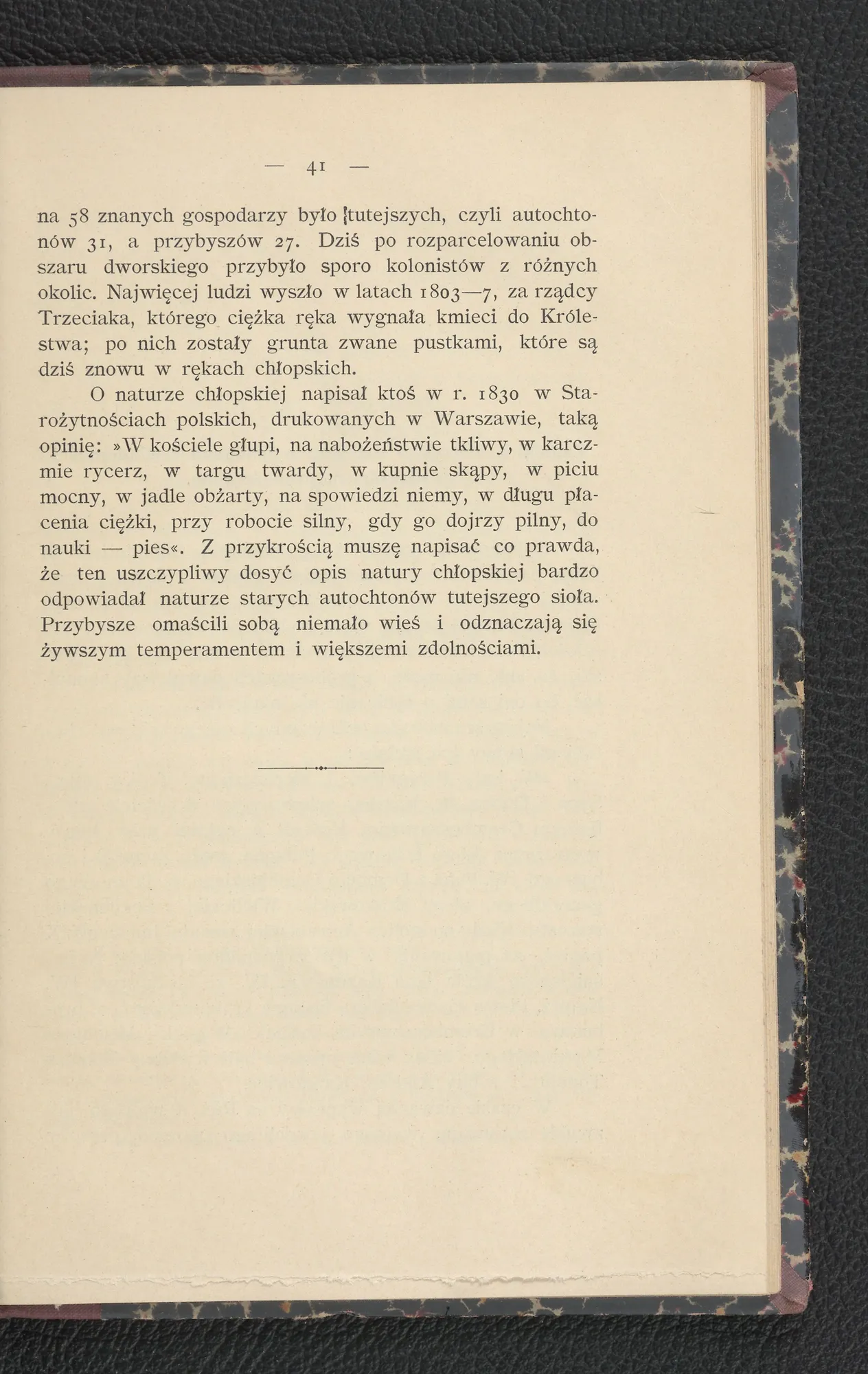
Detailed data from 1579 for three villages of the commune — in the card Old Polish village in 1579. The names of the fields and the former duties of serfdom were described by Jakub Bojko in Kruszyny z Gremboszowa (1911).
More on the municipality website: greboszow.pl