item
Old Polish village in 1579
Added to the collection:
Ownership structure Gręboszowa, Lubiczek and Wola Żelichowska — Wiślanie, Wojnicz, registers 1579.
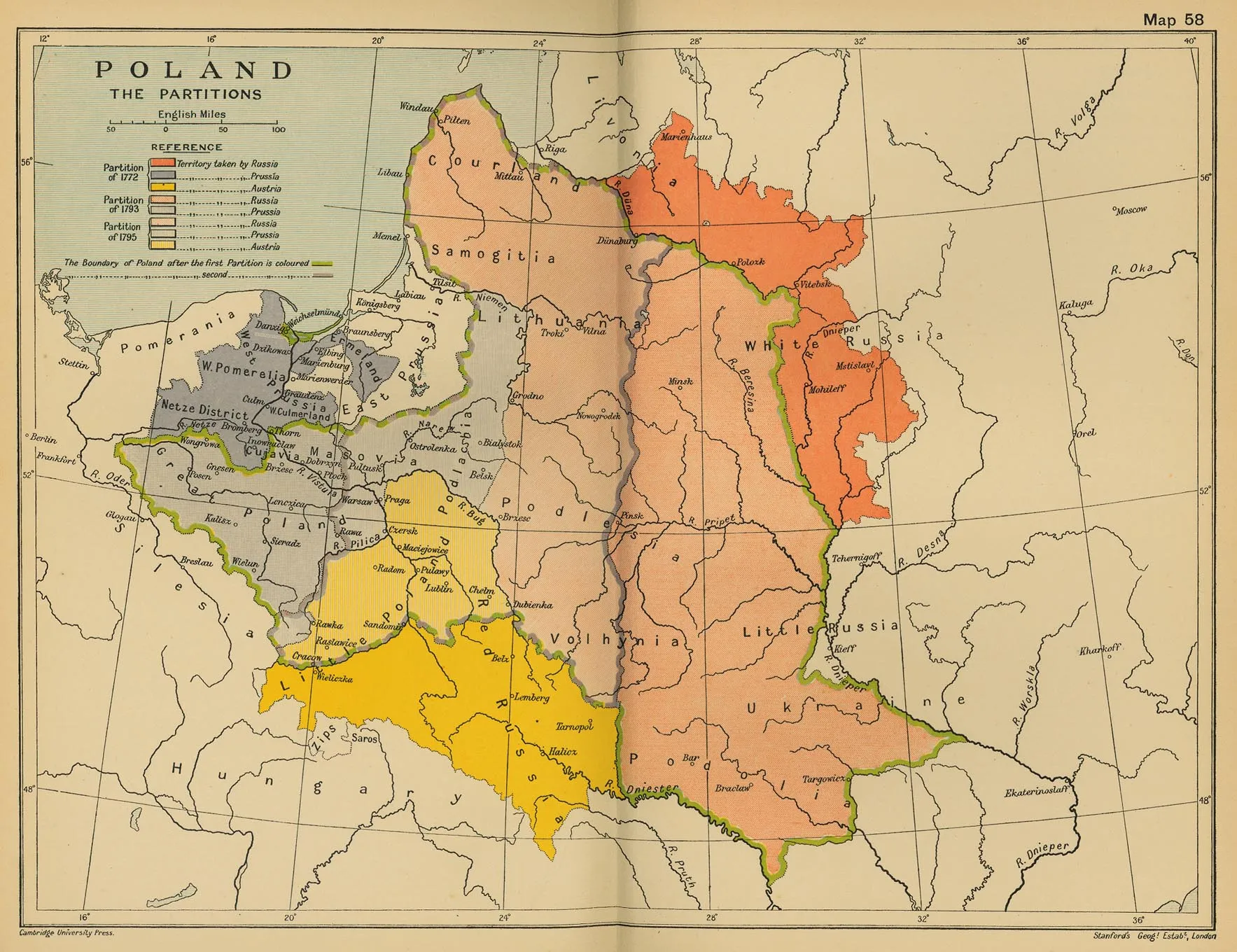
In the sixth century, the Slavs came to the Polish lands; the state of the Vistula River was formed on the upper Vistula, and the Wojnicz stronghold functioned in the area. At the end of the Old Polish period, the area of the commune belonged to the Wiślica County (Sandomierz Land); the southern borders of today's Dąbrowa County were part of the Pilsen County.
In the manor and serf economy, the village was divided into peasants, homesteaders, cottagers, bailiffs and beggars — each group had different rights to the land and duties towards the manor. The cultivated unit was the field (small about 16 ha, large about 25 ha).
Registers from 1579 state m.in:
Gręboszów (owned by Jan, Stanisław, Krzysztof Gręboszowski) — 16 peasants, 10 homesteaders, 4 bailiffs with cattle, 6 bailiffs without cattle, 8 lanes;
Lubiczko (owned by Stanisław Ligęza) — 10 peasants, 4 homesteaders, 1 bailiff with cattle, 5 lanes;
Wola Żelichowska (owned by Hieronim Bużyński) — 8 farmers, 3 homesteaders, 1 bailiff without cattle, 2 fields.
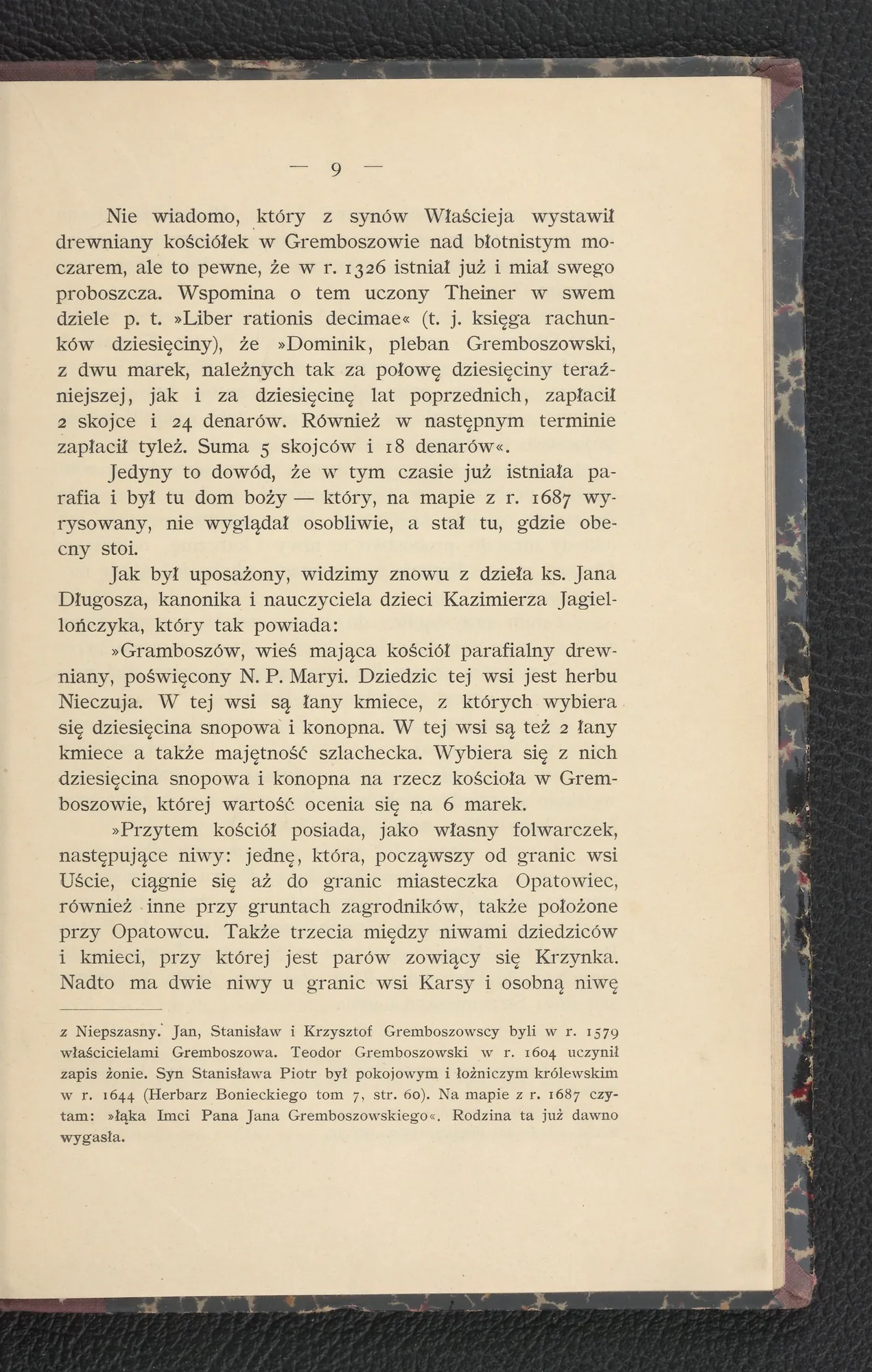
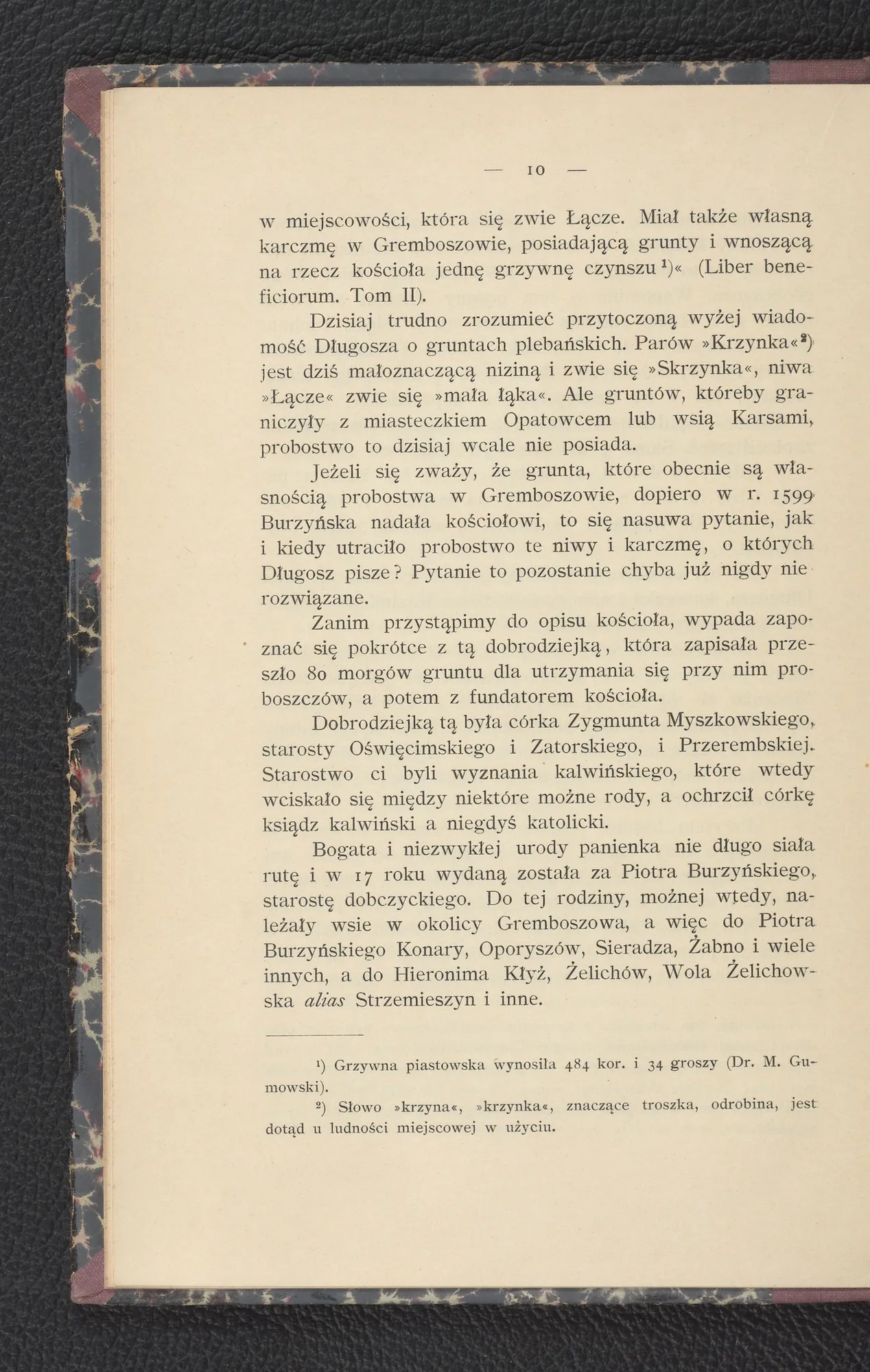
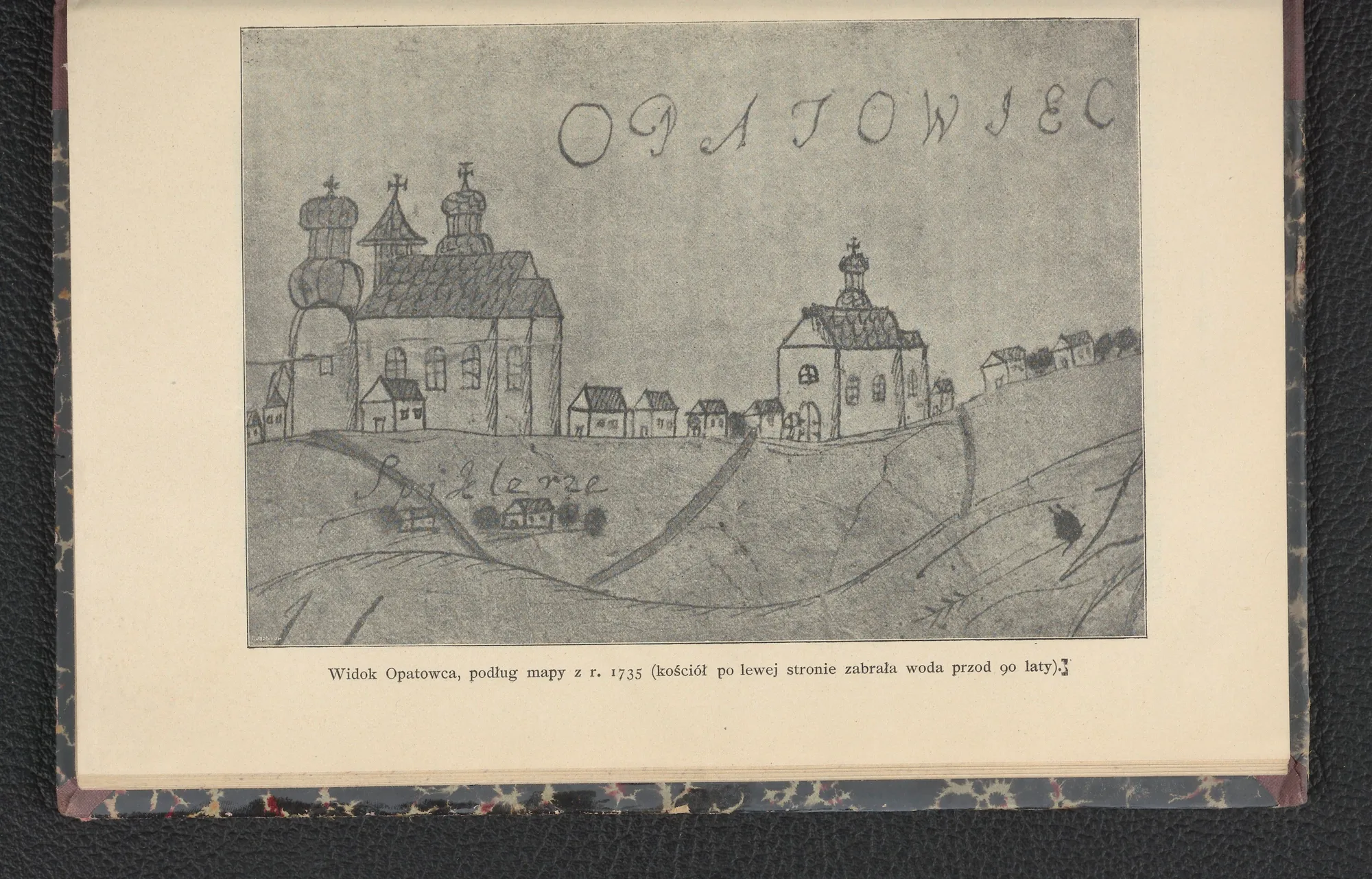
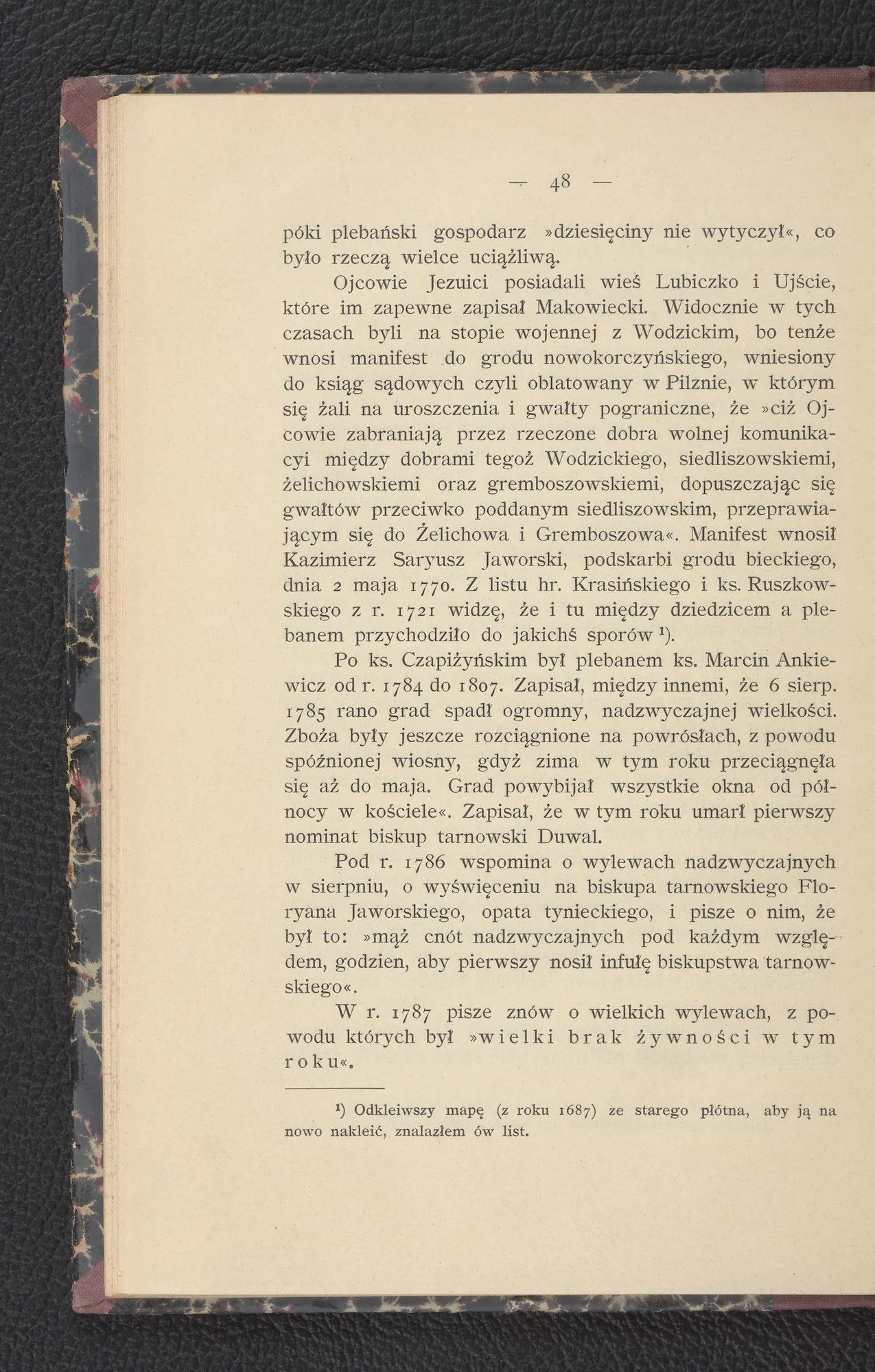
The first mention of Gręboszów dates back to 1287 (the Nieczuja family). The parish existed as early as 1326 — Bojko cites the records of Długosz and Theiner (see Okruszyny z Gremboszów, 1911). The neighbouring Opatowiec (beyond the Vistula) is illustrated with a view from the map of 1735 in the same monograph. The records from 1579 show a densely populated, hierarchical agricultural village before the modern reforms.
More on the municipality website: greboszow.pl