Commune Office Gręboszów
The seat of the local government of the commune — the center of administration and a reference point on the heritage map.
The seat of the local government of the commune — the center of administration and a reference point on the heritage map.
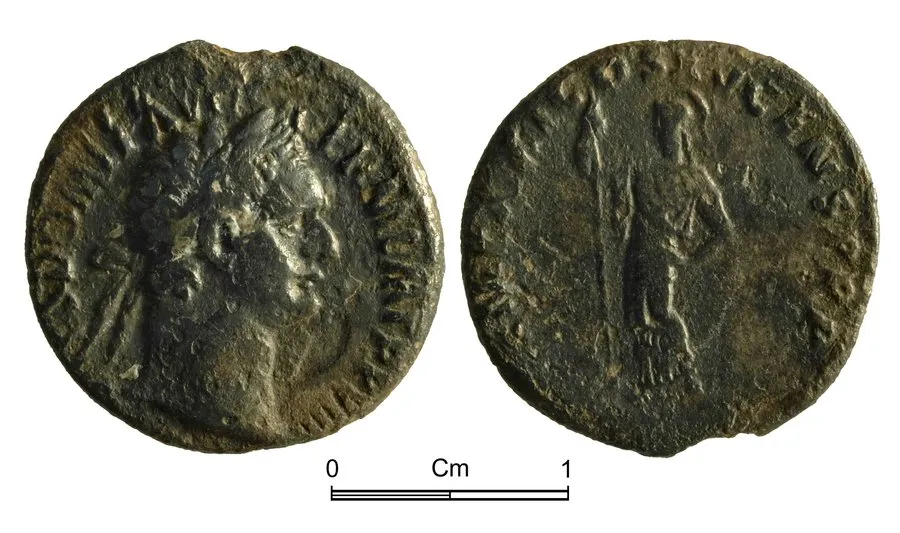
Four coins from the 1st–2nd centuries AD — a trace of trade along the Amber Route in the commune.
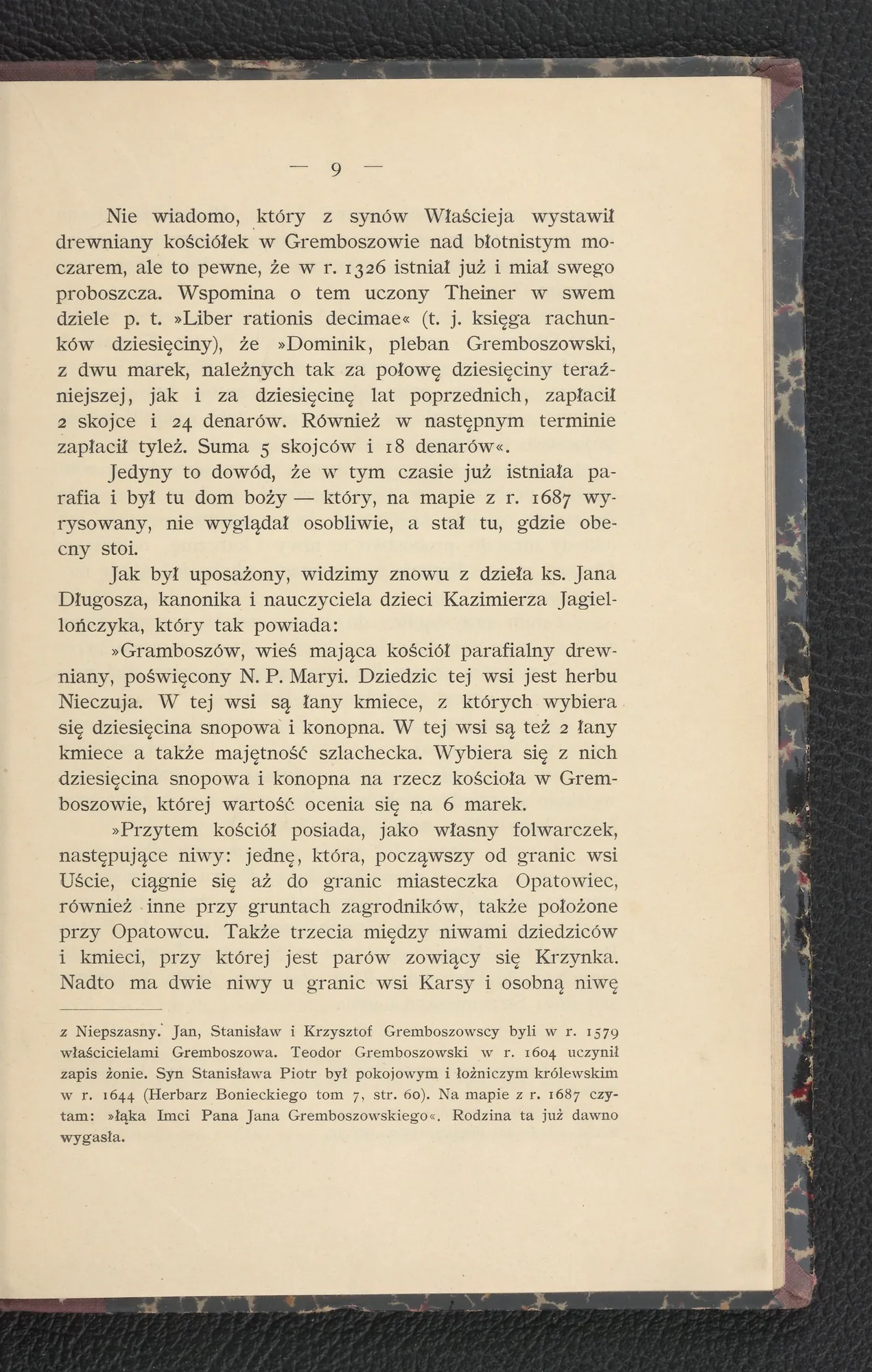
Ownership structure Gręboszowa, Lubiczek and Wola Żelichowska — Wiślanie, Wojnicz, registers 1579.
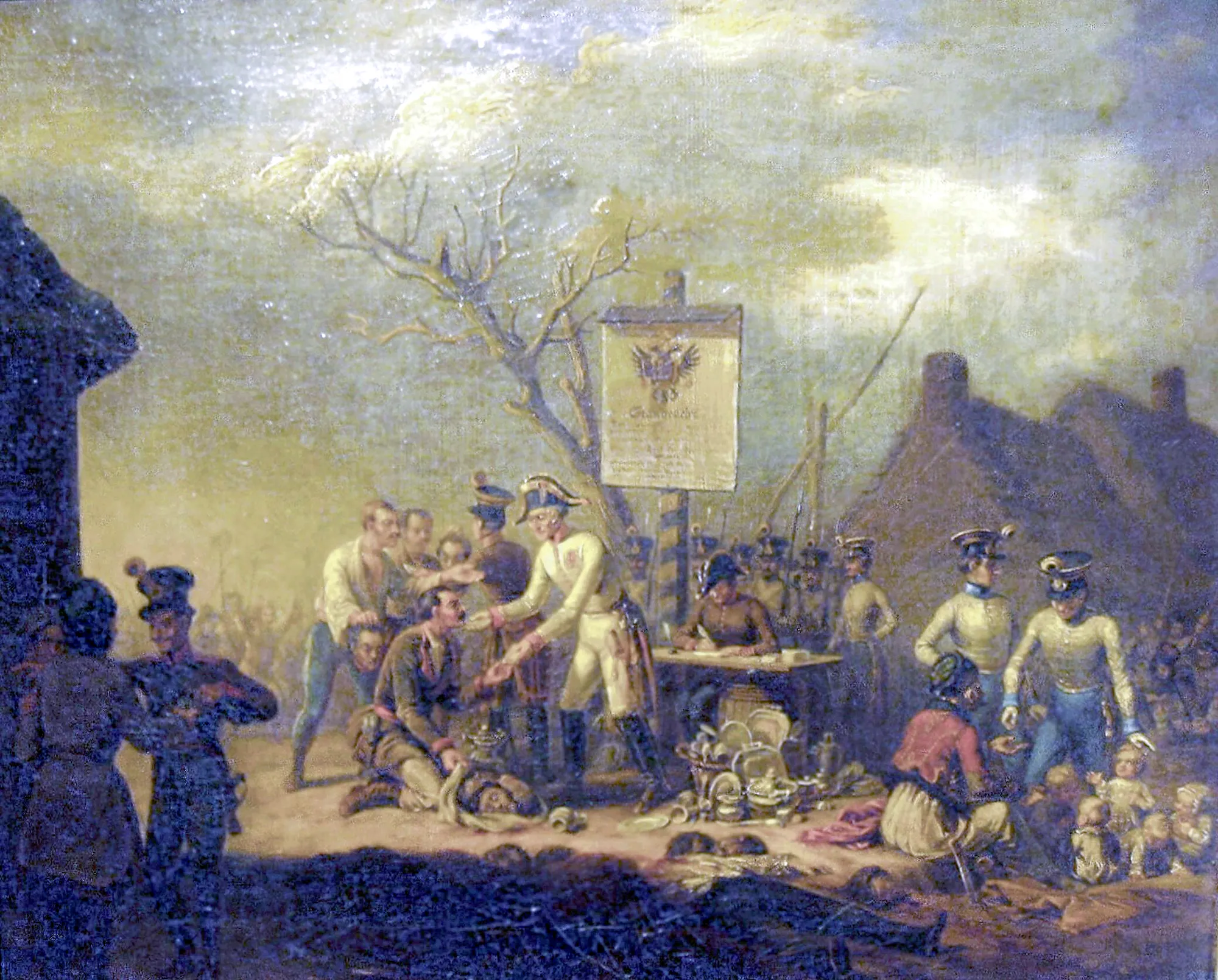
The socio-professional division of the village in 1579 — peasants, bailiffs, fields, self-government under German law.
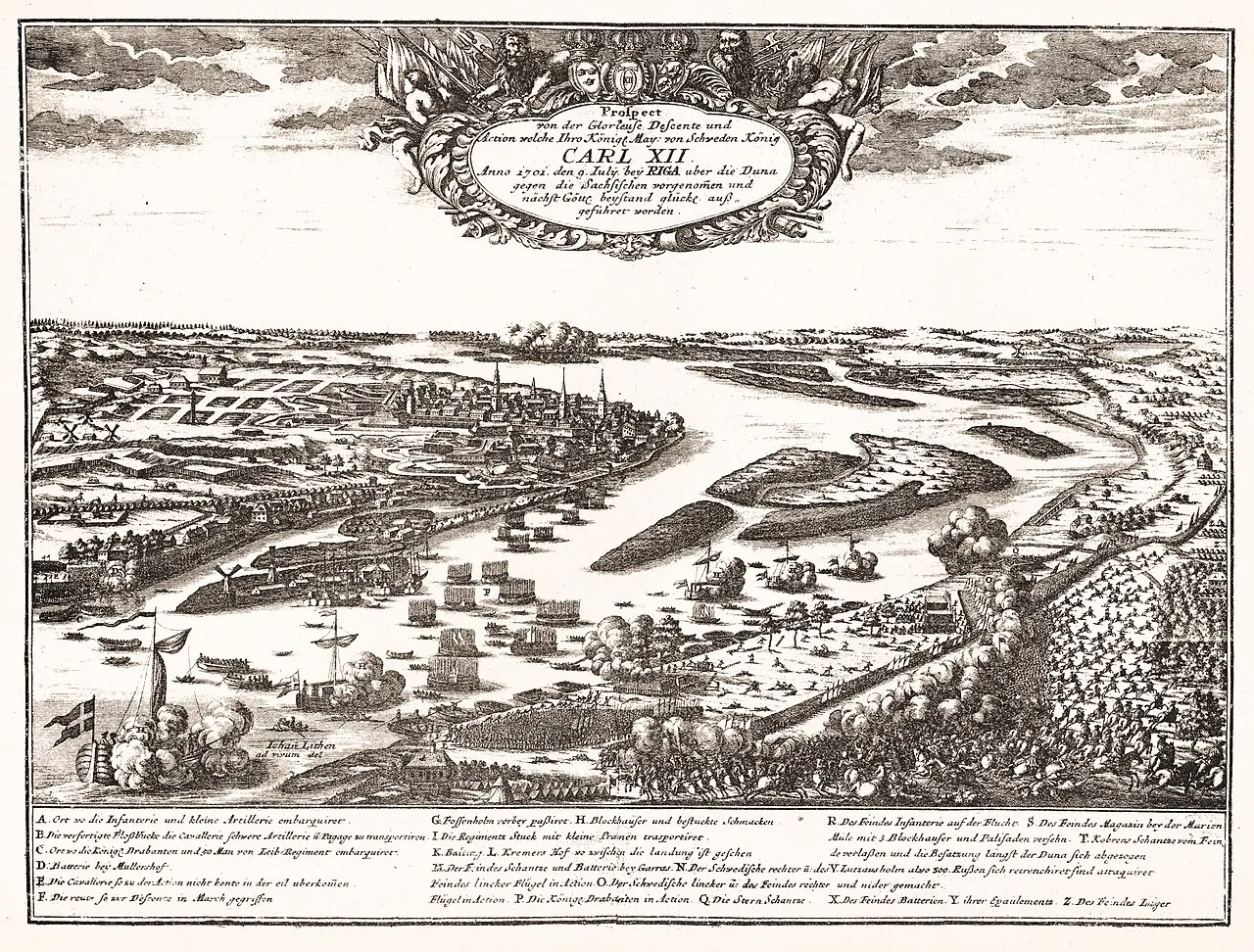
Swedish looting during the war between Augustus II and Charles XII — destruction of villages in Powiśle.
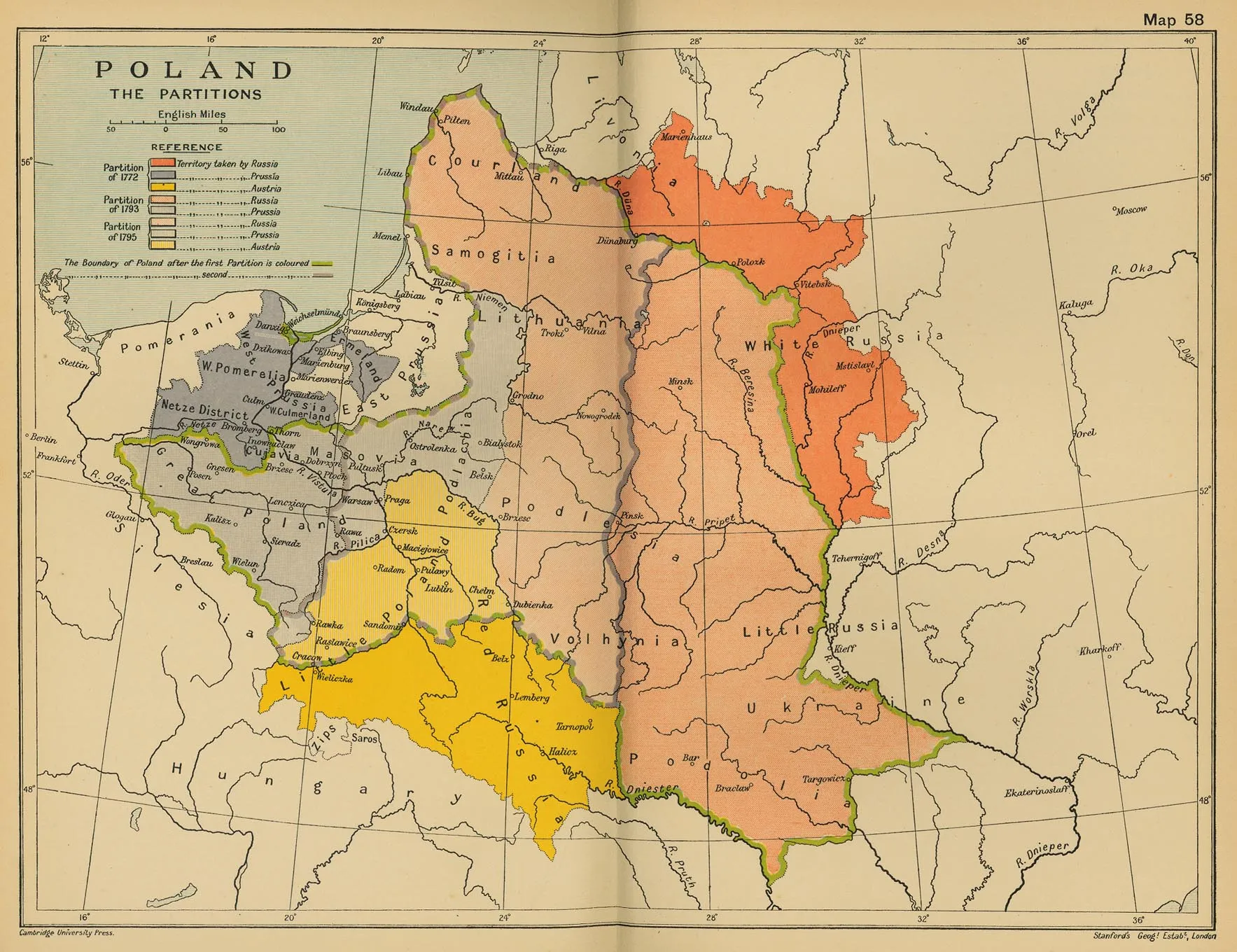
After the first partition of Polish, the area of the commune became part of the Kingdom of Galicia and Lodomeria.
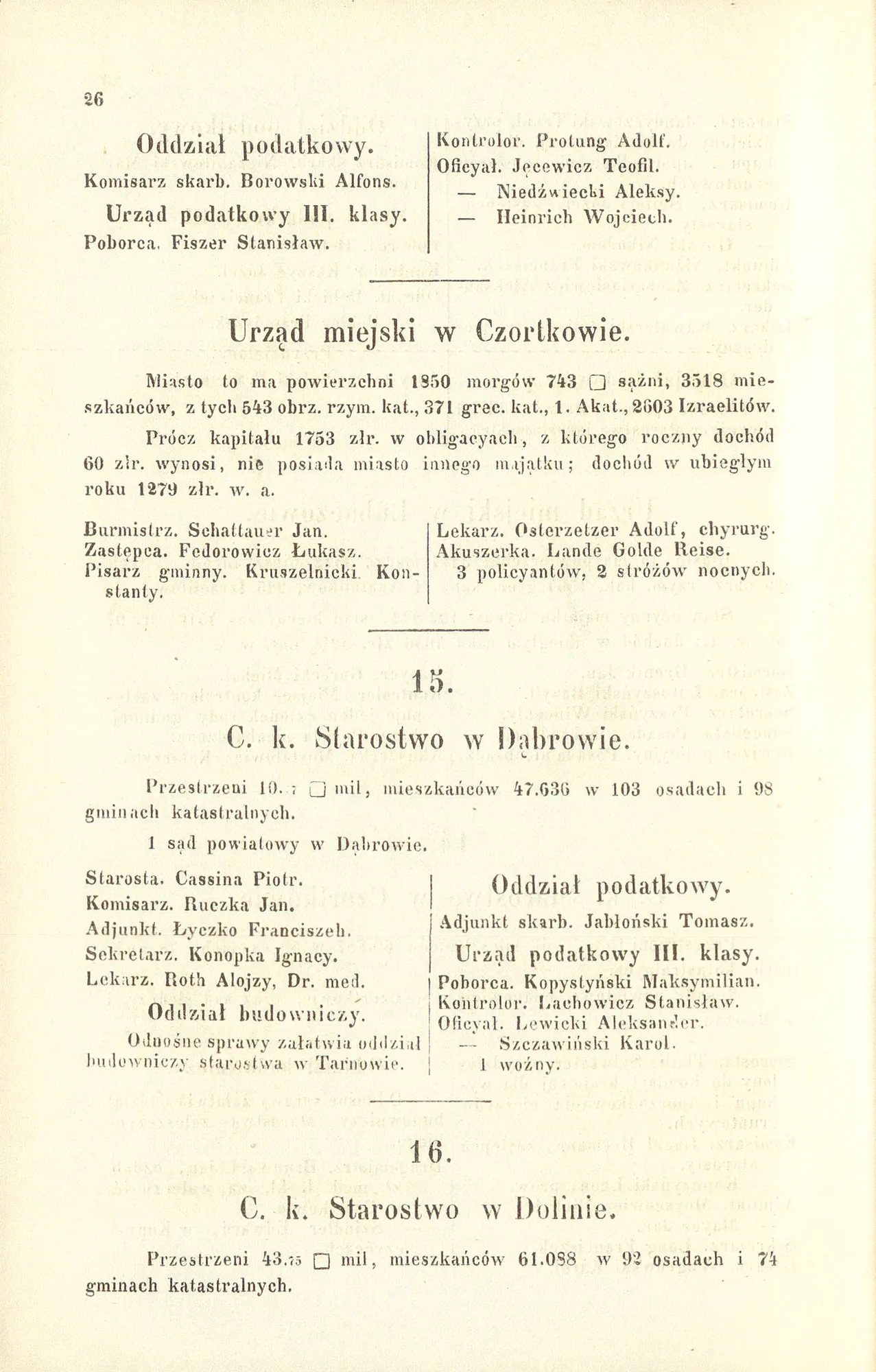
The mortgage register of 1870 — the basis of the rights of large land ownership in Galicia.
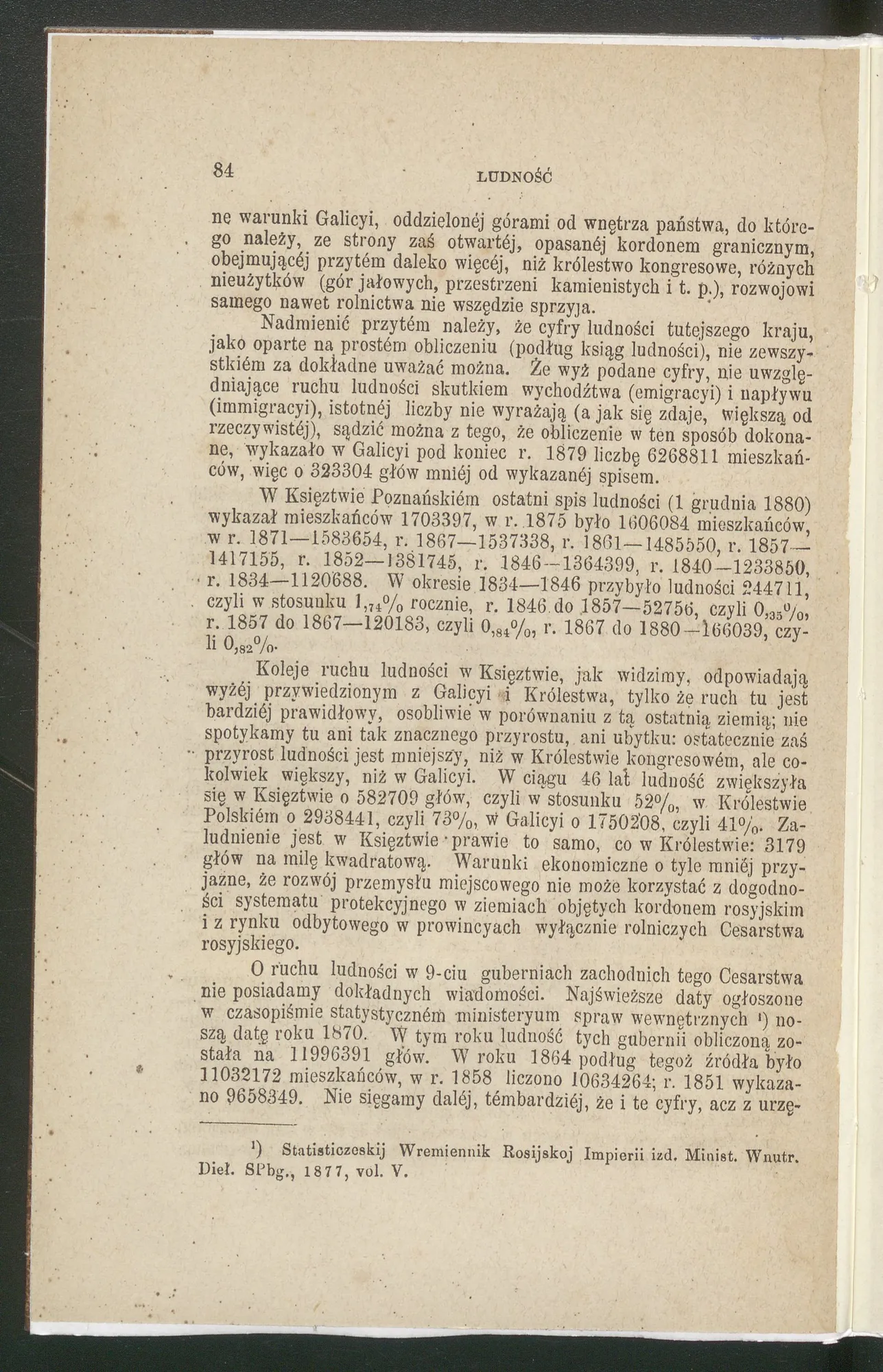
The number of inhabitants of the villages (ca. 1870) and census publications of Galicia from 1880 and 1910.
A detailed table of the number of inhabitants of the village according to the Austrian census of about 1870.
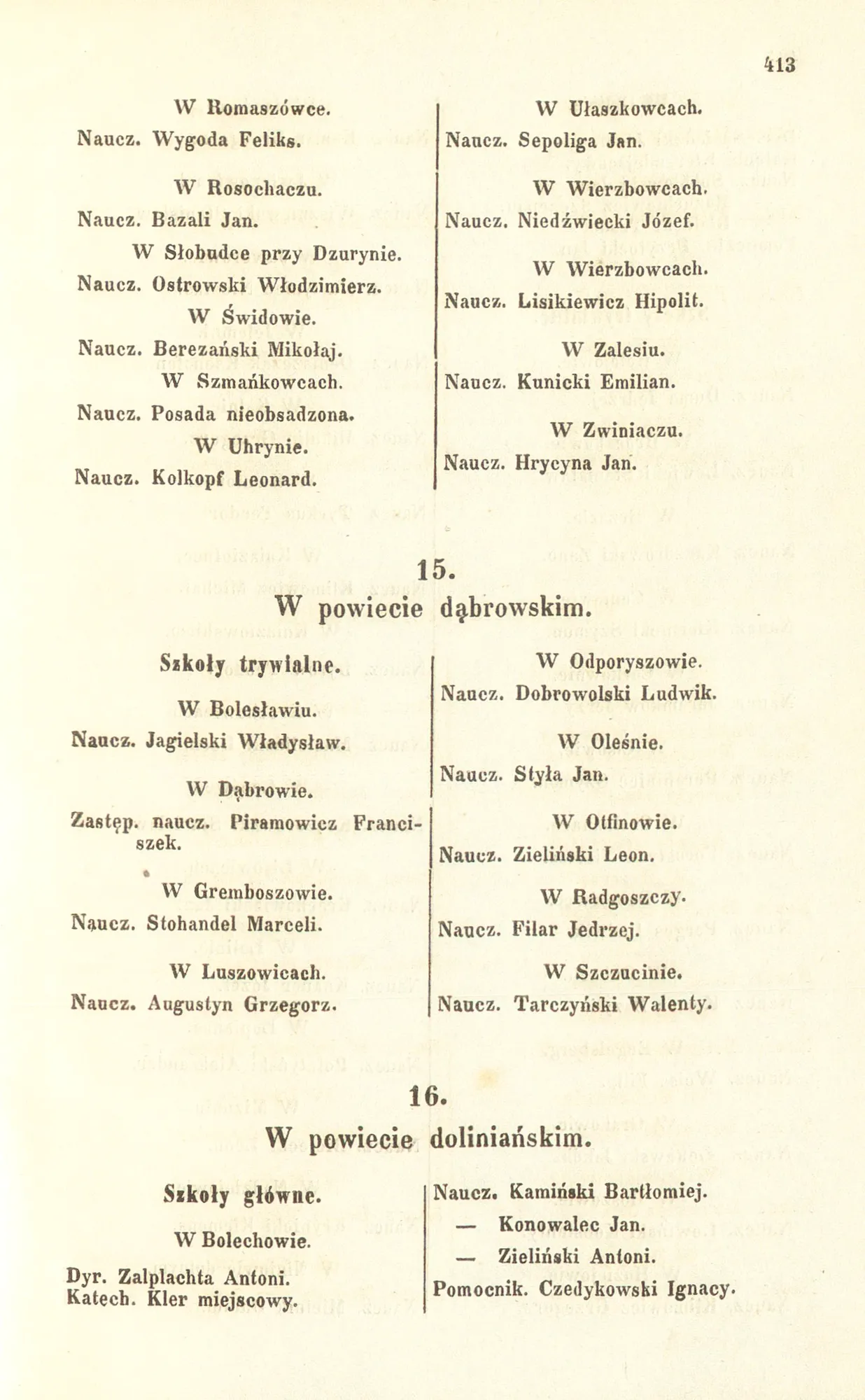
A network of single-class schools in Borusowa, Gręboszów, Ujście Jezuicki, Wola Żelichowska, Zalipie and Żelichów.
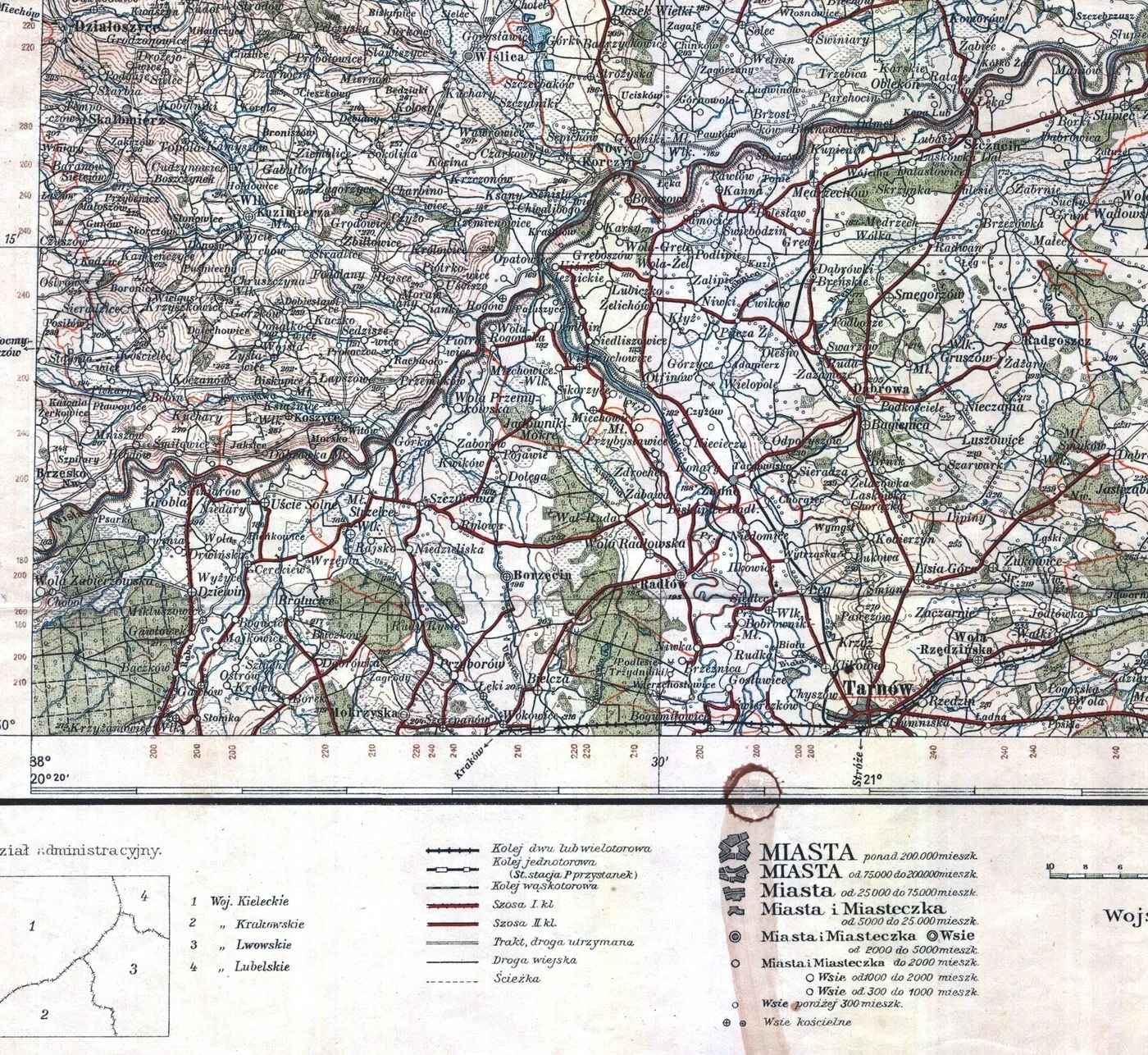
Fragment of the WIG operational map (1:300,000) from 1928 — Gręboszów, Tarnów and the mouth of the Dunajec River.
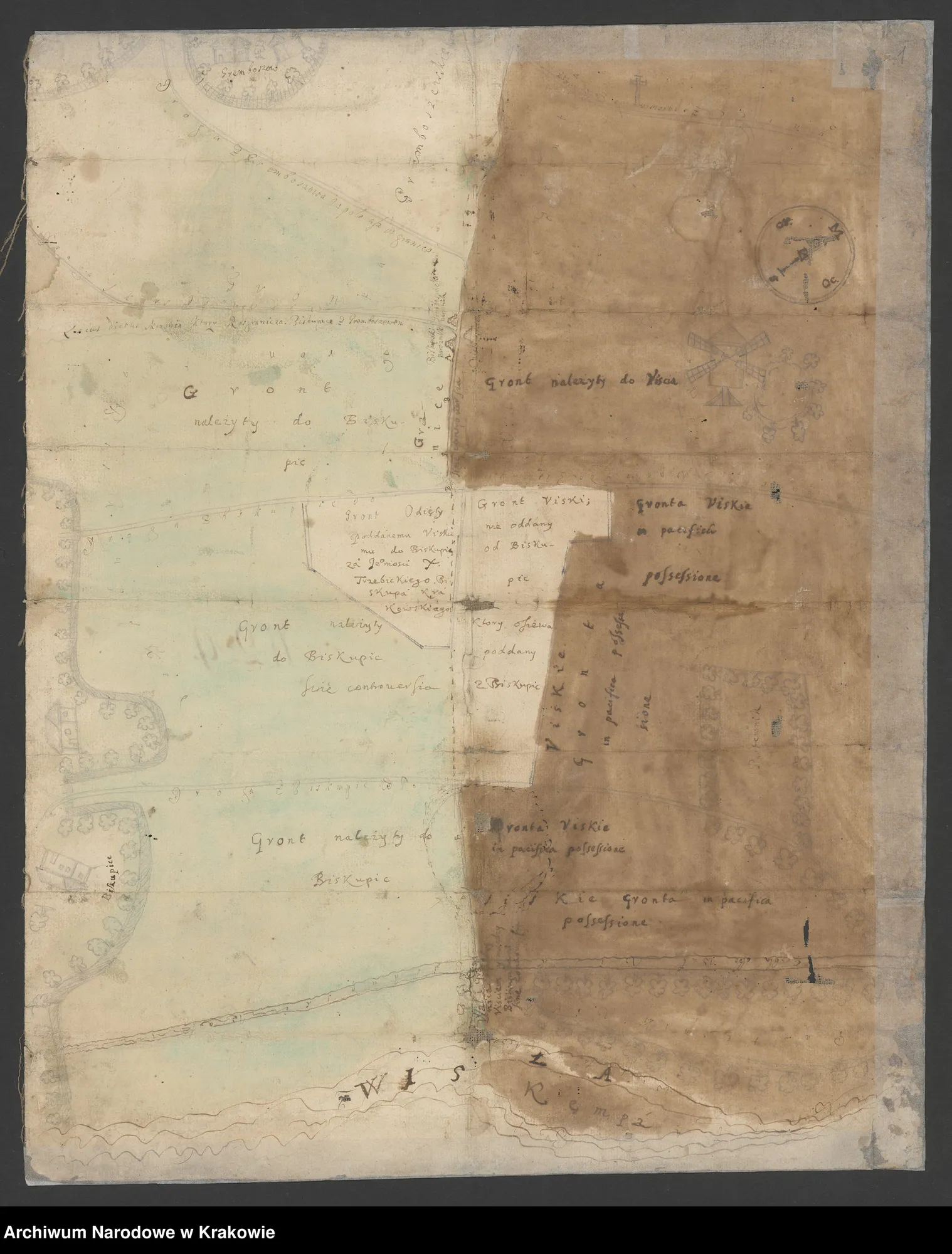
Plans and cadastral maps of the villages of the commune from the National Archives in Cracow — the property of the Załuski and Przerębski families (1680–1901).
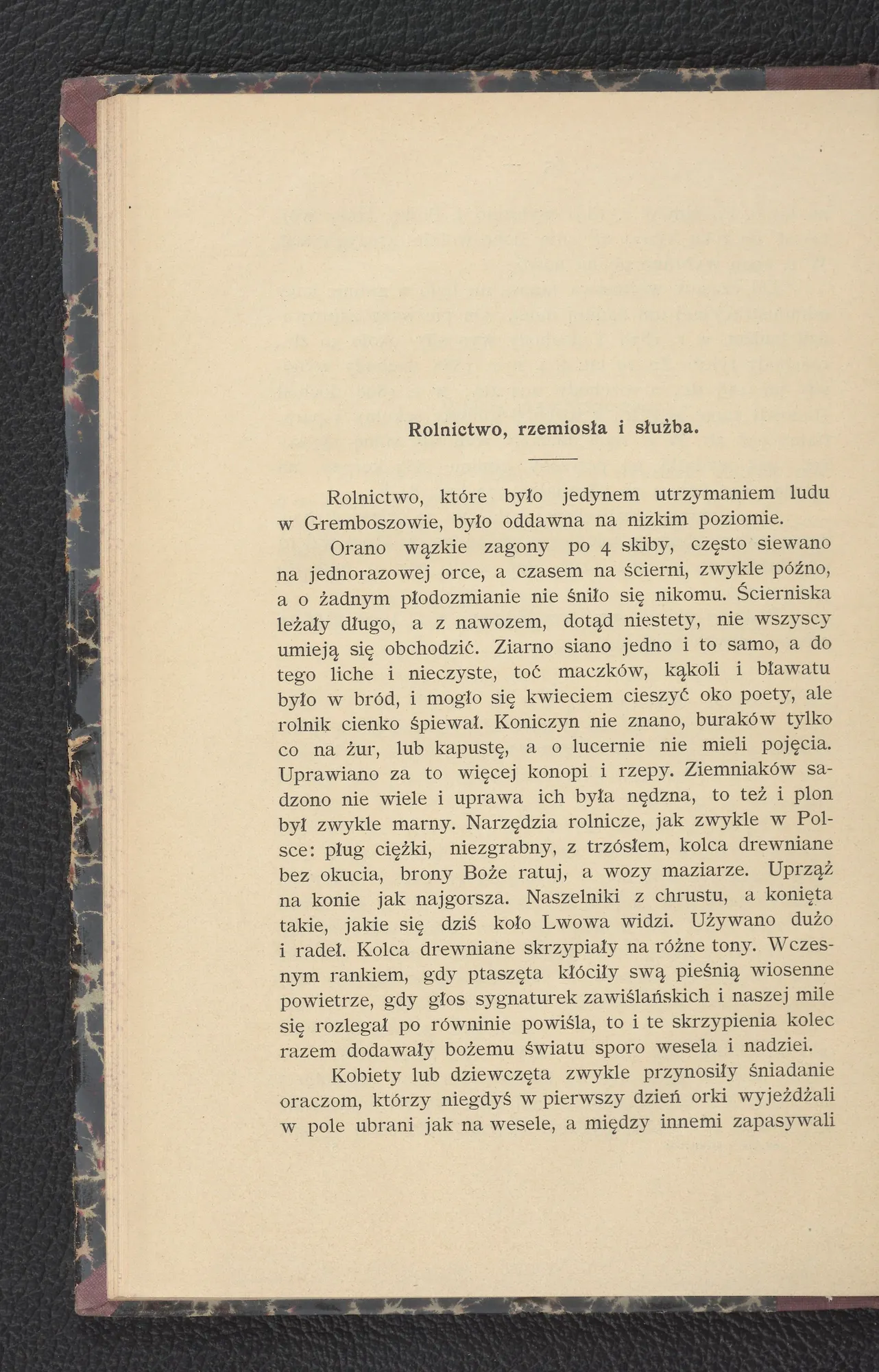
The first agricultural circle in the commune — the organization of peasants and the development of agricultural and livestock culture.

A mixed grocery shop in Gręboszów — an initiative of agricultural-circle members.
Assembly national councils, compulsory agricultural supplies and peasant pensions — an abbreviation from the period of the People's Republic of Poland.
The commune was divided into three GRNs — Borusowa, Gręboszów, Wola Żelichowska — and returned to one commune in 1972.
Act of 27 October 1977 — Right to benefits after work on a farm.
A network of schools in the same towns as before the war — the development of rural education in the People's Republic of Poland.